Imagine waking up on a planet that rewrites its own geography every time your heart stops, only to find that the monsters aren't just in the shadows—they’re inside your head. Arjun Devraj is trapped in a loop of shifting corridors and mental decay, and Housemarque is about to prove that their previous work was just a warm-up for the madness ahead. Saros Navigating the Psychological Minefield isn't just a tagline; it is a warning for anyone expecting a standard run-and-gun experience.
What this means for players: Saros is shifting the roguelike focus from simple survival to a high-stakes experiment in mental fortitude, where the crew you rely on might be your greatest threat. By blending frantic combat with a crumbling psyche, Housemarque is challenging the very definition of the "bullet hell" genre.
The Labyrinth of Carcosa

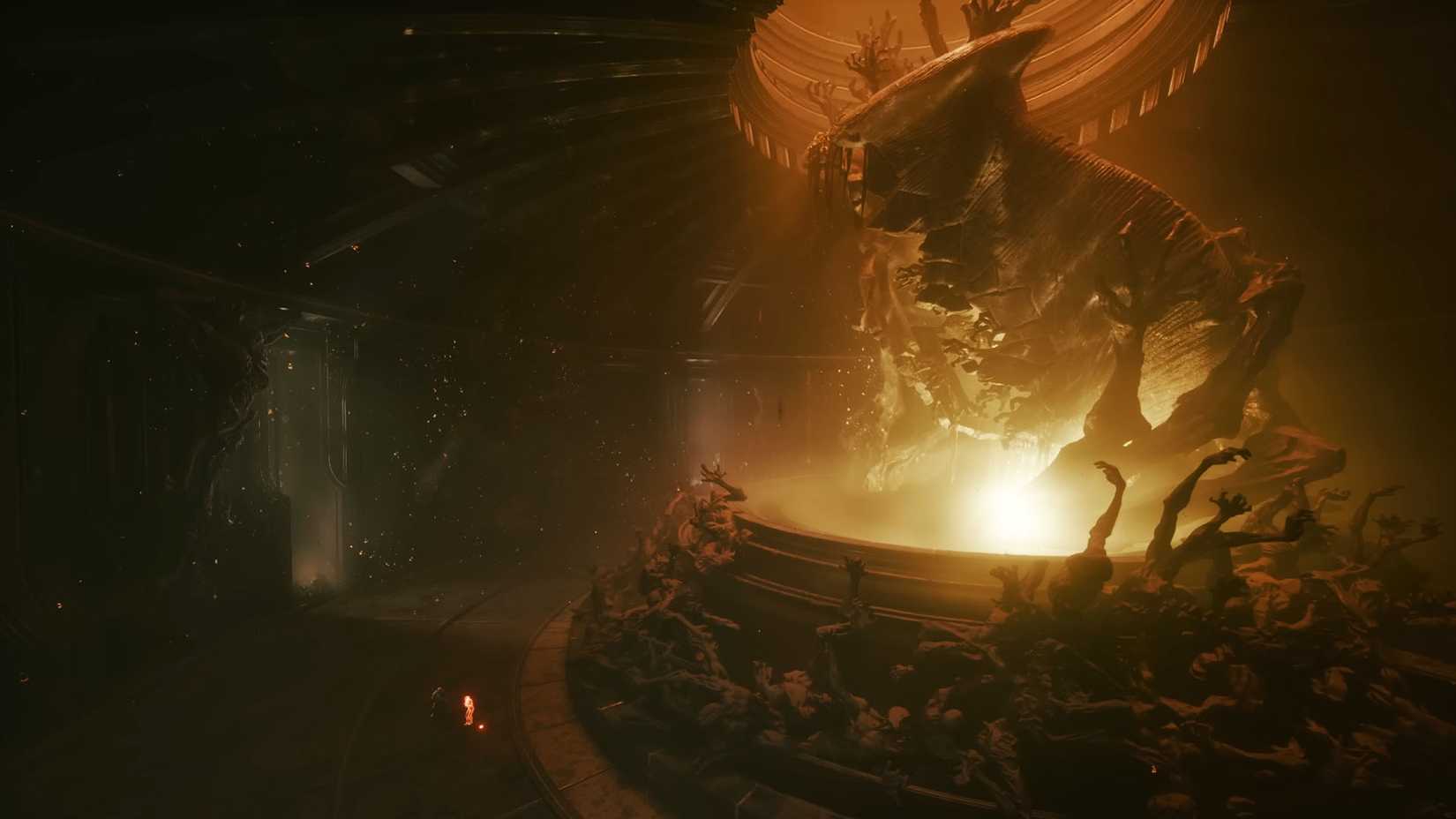
The setting of Saros is the planet Carcosa, a name that will immediately send chills down the spines of cosmic horror fans. Inspired by the haunting lore of The King in Yellow, this world is a shifting, sentient nightmare that ensures no two runs are ever identical. As Arjun Devraj, players must navigate a landscape that feels less like a planet and more like a predatory organism. The environment constantly reshapes itself, forcing a level of spatial awareness that few games in this category demand.
However, the physical danger of The Labyrinth of Carcosa is only half the battle. Housemarque’s roguelike shooter introduces "oppressive psychological forces" that actively breed paranoia among the Echelon IV crew. This isn't just flavor text; it directly impacts how you interact with the world. You aren't just fighting aliens; you are fighting the urge to distrust the very people supposed to be helping you. The atmosphere is thick with a sense of dread that makes every corner feel like a potential breaking point for Arjun’s sanity.
The brilliance of the design lies in how it utilizes the Returnal game’s spiritual predecessor DNA to create a sense of relentless momentum. While the studio has mastered the art of smooth movement, Saros slows things down just enough to make you feel the weight of the atmosphere. Every step into the yellow-hued mist of Carcosa feels heavy, as if the planet itself is trying to crush Arjun’s will to continue. It is a masterclass in environmental storytelling where the terrain is as much a character as the protagonist himself.
Gameplay and Survival Mechanics

When the guns start firing, Saros reveals its true nature as a chaotic bullet hell. The action is fast, demanding, and requires the kind of frame-perfect precision that has become Housemarque’s signature. Players must adapt to a combat flow that prioritizes constant movement and split-second decision-making. If you stand still for even a moment in Carcosa, the psychological and physical threats will close in, ending your run before you can even reload.
The Gameplay and Survival Mechanics offer a unique twist on the traditional roguelike loop. Unlike games where you lose almost everything upon death, Saros allows resources gathered during a run to accumulate. This builds a sense of momentum, making each failure feel like a tactical stepping stone rather than a total reset. Arjun is revived by an unknown force every time he falls, adding a layer of temporal instability to the narrative that keeps the player questioning the reality of their mission.
Customization is the heart of the strategy here. Players can implement pre-run modifiers known as "edges and nerfs" to tailor the difficulty and rewards of their next expedition. This system encourages constant improvisation, forcing you to weigh the benefits of a powerful weapon buff against a crippling psychological penalty. It turns every run into a gamble, where you are constantly betting against your own ability to keep Arjun’s mind intact while dodging a screen full of glowing projectiles.
The Stakes of the Expedition
The narrative drive behind Saros is a desperate rescue mission. Arjun and his Soltari crew have been dispatched to Carcosa to recover vital assets after several previous scouting teams went completely silent. This isn't a mission of conquest; it is a mission of recovery in a place that does not want to be found. The Stakes of the Expedition are personal, as the crew’s psychological strain begins to manifest in ways that directly affect the gameplay loop.
As you progress, the unpredictable nature of the world becomes your primary obstacle. Shifting threats mean that a strategy that worked five minutes ago could lead to a swift death in the next room. The Echelon IV crew members aren't just NPCs; they are part of the psychological minefield. Their growing distrust and the "oppressive forces" of the planet create a tension that few shooters manage to sustain over long play sessions. You are constantly forced to adapt, not just to the enemies, but to the deteriorating state of your own team.
This constant state of flux is what makes Saros stand out in a crowded market. It’s not just about getting better at the mechanics; it’s about learning to manage the chaos. The game forces you to embrace the instability of Carcosa, turning every successful extraction into a hard-won victory against both the environment and Arjun’s own fracturing mind. The deeper you go, the more you realize that the greatest danger isn't the monsters—it's the realization that you might never truly leave.
Saros will likely redefine the psychological horror-shooter hybrid by tethering difficulty to the protagonist's mental state rather than just enemy health bars. If Housemarque can successfully balance the "edges and nerfs" system, this could become the new benchmark for roguelike progression and player agency. Expect a steep learning curve that rewards those who treat the environment as a sentient enemy just as dangerous as the bosses themselves.
Frequently Asked Questions

Is Saros a direct sequel to Returnal?
While it shares the roguelike DNA and "bullet hell" style, Saros is a new IP focusing on a psychological minefield and a different protagonist, Arjun Devraj.
How does the death mechanic work in Saros?
Death is part of the story, with Arjun being revived by an unknown force while resources accumulate to help players build momentum for future runs.
What are the "edges and nerfs" in the gameplay?
These are pre-run modifiers that allow players to customize their difficulty, offering powerful buffs at the cost of significant strategic or psychological penalties.
Confirmed details first, useful context second. This is the quickest path to the source trail and the next pages worth opening.
Source date: April 24, 2026