The roguelike genre is currently facing a fundamental identity crisis, and a new title is standing right at the center of the blast zone. Purists are already sounding the alarm, claiming that the "hardcore" soul of the genre is being diluted for the sake of mass-market appeal. At the heart of this storm is Saros The Sci-Fi Shooter, a project that promises high-octane thrills while simultaneously making some of the most controversial design choices we have seen in years.
What this means for players: Saros The Sci-Fi Shooter is attempting to bridge the gap between brutal permadeath and mainstream accessibility, but it risks alienating the very fans who built the genre. Whether it becomes a new gold standard or a cautionary tale depends entirely on how players react to its heavy-handed approach to meta-progression.
Soltari Colonization On The World Of Carcosa
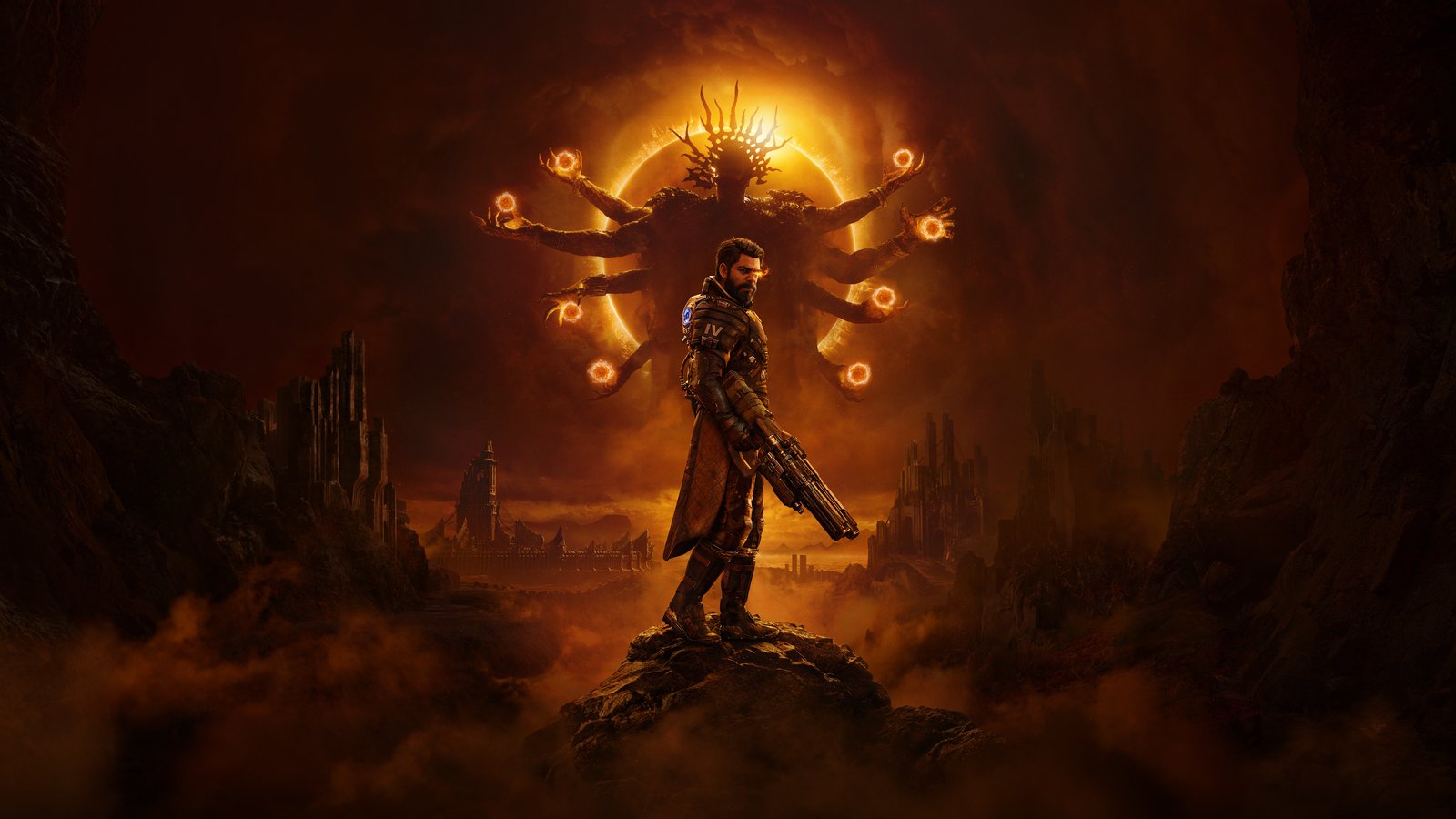
The narrative backdrop of Saros The Sci-Fi Shooter drops players into the middle of a corporate gold rush on a galactic scale. You take on the role of Arjun Devraj, a specialized operative working for the Soltari tech corporation. Your mission is simple on paper but lethal in practice: facilitate the colonization of Carcosa, a hostile alien world teeming with bio-mechanical threats, all to extract a rare and powerful resource known as Lucenite.
Carcosa isn't just a backdrop; it is a character in itself. The world is designed to feel oppressive, alien, and deeply reactive to the player’s presence. As Soltari’s influence grows, the planet pushes back, creating a loop where the environment evolves alongside your character. This extraction-heavy plot provides a concrete motivation that many roguelikes lack, giving players a clear reason to dive back into the meat grinder after every inevitable death.
The roguelike action here is fast and unforgiving. Unlike traditional shooters where you might hunker down behind cover, this game demands constant movement. The Lucenite you collect isn't just a narrative MacGuffin; it serves as the lifeblood of your upgrades, fueling the very technology that keeps Arjun alive in a cycle of reincarnation that feels both futuristic and ancient.
Combat Depth And DualSense Integration

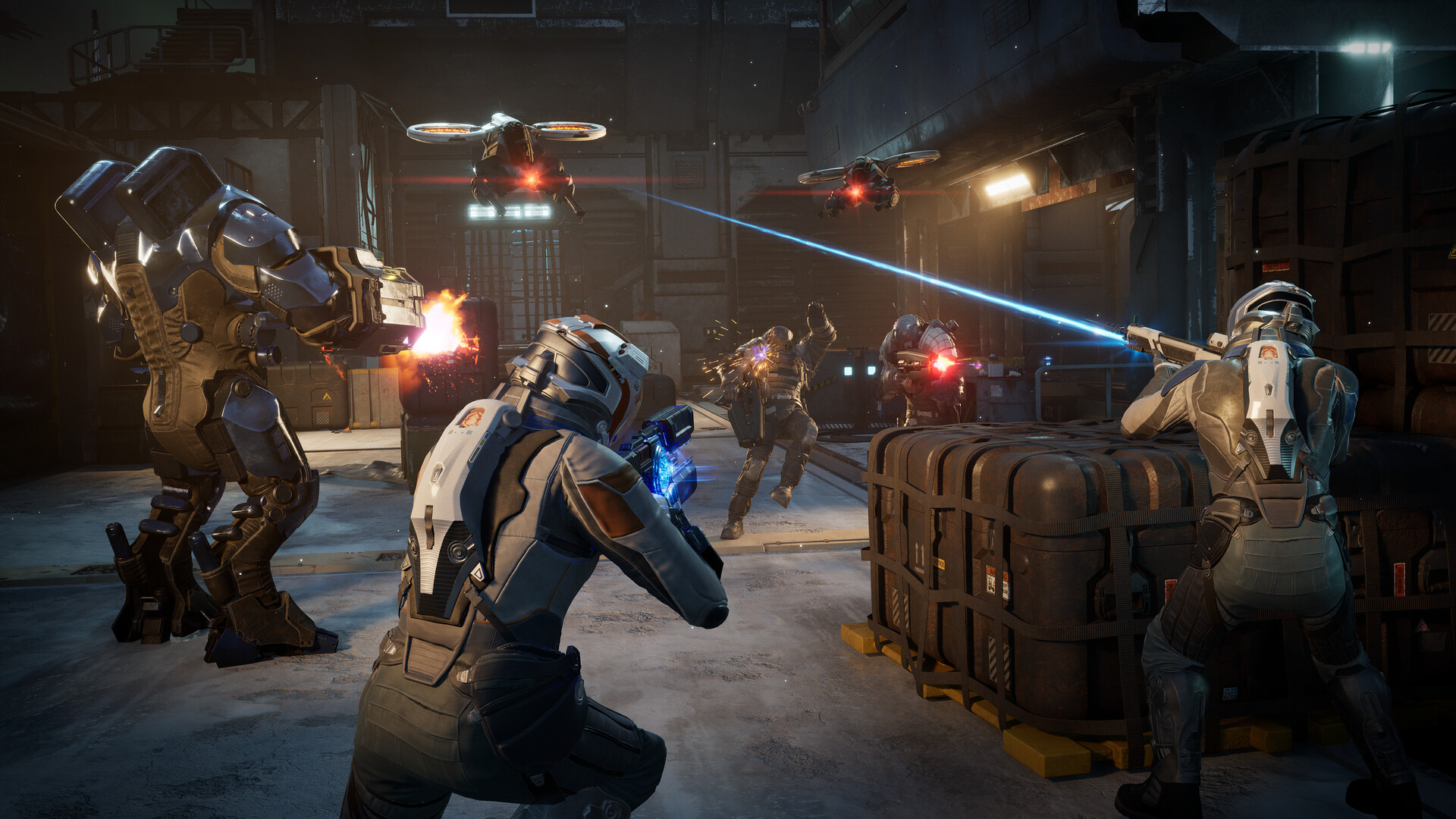
When it comes to the actual moment-to-moment feel, the developers are leaning heavily into the technical capabilities of the PS5. The combat depth in Saros The Sci-Fi Shooter is defined by its tactile feedback. One of the most impressive features is the adaptive shotgun, which changes its firing mode based on how much pressure you apply to the DualSense triggers. A half-pull might provide a tight, long-range slug, while a full click unleashes a devastating wide-spread blast.
Defense is just as technical as offense. Players have to master a complex system of shield blocking and parrying. Specifically, the game introduces "red shots"—high-energy projectiles that cannot be blocked normally. To survive, you must time a perfect parry, turning the enemy's aggression back against them. This creates a rhythmic flow to the combat that feels more like a dance than a standard firefight.
This level of mechanical precision ensures that even though the game features heavy RPG elements, your twitch skills remain the most important tool in your arsenal. You aren't just clicking heads; you are managing heat sinks, timing reloads, and feeling the physical resistance of your weaponry as the world of Carcosa tries to tear you apart. It’s a sensory experience that few other shooters in the genre have attempted to replicate.
Arjun Devraj And The Samsara Narrative
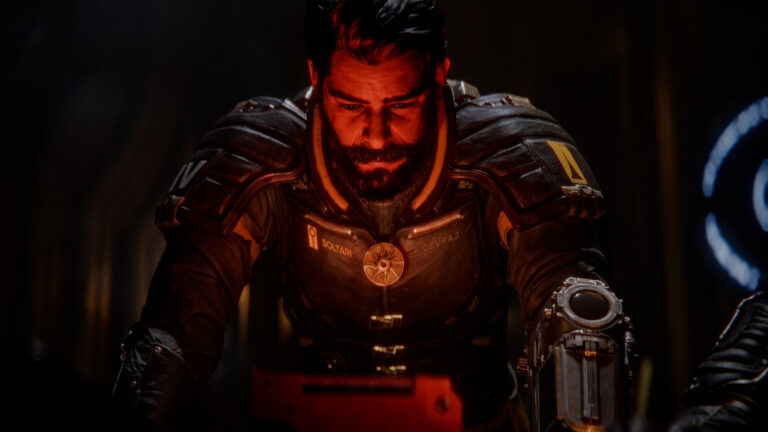
The story takes a philosophical turn by incorporating the concept of saṃsāra—the cycle of death and rebirth. The Narrative Structure follows Arjun Devraj as he dies and returns, his consciousness uploaded into new bodies by Soltari tech. This isn't just a gameplay mechanic; it’s a central plot point that explores the ethics of corporate immortality and the psychological toll of endless combat.
However, this is where the Narrative Comparison and Focus becomes a point of contention among early critics. Many are drawing direct parallels to Returnal, the PS5’s other heavy-hitting sci-fi roguelike. While Selene’s struggle in Returnal felt deeply personal and psychologically intertwined with the planet Atropos, Arjun’s journey feels more clinical. He is a man doing a job, and some argue that the "thematic fit" for his character isn't quite as seamless as Selene’s descent into madness.
Despite these comparisons, the game carves out its own niche by focusing on the corporate espionage and planetary exploitation angle. Arjun isn't a lone survivor; he is a cog in a massive corporate machine. This shift in perspective allows for a different kind of storytelling, one that focuses on the cost of progress and the lengths to which humanity will go to secure its future, even if it means dying a thousand times over.
Meta-Progression Controversy In Saros
The biggest talking point surrounding Saros The Sci-Fi Shooter is undoubtedly its "trivialization" of the roguelike format. Traditionalists argue that the genre should be about mastery and skill, where each run starts from zero. Saros, however, features deep meta-Progression that allows players to carry over significant power between runs. You aren't just getting better at the game; your character is getting objectively stronger, with more health, better starting gear, and permanent abilities.
Critics claim this heavy emphasis on approachability undermines the integrity of the genre. If you can eventually "brute force" your way through a boss by simply grinding for upgrades, does the victory still carry the same weight? For some, this feels like a betrayal of the roguelike's core promise of high stakes. They worry that the tension of a "perfect run" is lost when you know your next attempt will be easier regardless of how well you play.
On the flip side, proponents argue that this is exactly what the genre needs to grow. By lowering the barrier to entry, Saros opens the door for players who find the "start from scratch" nature of games like Dead Cells or Spelunky too frustrating. It’s a gamble that could either redefine the genre for a new generation or serve as a flashpoint for a community that is already protective of its "hardcore" roots. Only time will tell if the balance between power and challenge is maintained.
Frequently Asked Questions
When is the Saros The Sci-Fi Shooter release date?
The developers have not yet confirmed a specific launch window, but industry reports suggest a late 2024 or early 2025 arrival on PS5.
Is Saros The Sci-Fi Shooter a PS5 exclusive?
While the game heavily utilizes DualSense features, it is currently expected to launch on PS5 with a potential PC release following shortly after.
How does the deep meta-Progression affect difficulty?
The meta-progression allows players to unlock permanent stat boosts and equipment, making the game more accessible over time compared to traditional roguelikes.
The success of Saros will likely hinge on whether the "red shot" parry system can provide enough of a skill ceiling to satisfy veterans. If the meta-progression becomes a mandatory grind rather than a helpful safety net, the game may struggle to maintain its player base. Expect a heated debate to erupt upon launch as players decide if this is the future of the genre or a step in the wrong direction.
Confirmed details first, useful context second. This is the quickest path to the source trail and the next pages worth opening.
Source date: April 24, 2026