Arjun Devraj shouldn't be alive, yet every time his heart stops on the desolate, dust-choked surface of Carcosa, the nightmare simply resets. Housemarque is trading the neon-soaked bullet-hell of its previous hits for something far more sinister, and it might just be the most stressful game you’ll play in 2026. What this means for players: Saros isn't just a test of reflexes; it’s a psychological gauntlet that weaponizes Lovecraftian dread against your muscle memory.
The upcoming Sci-Fi Shooter from the masters of the roguelike genre feels like a fever dream born from the darkest corners of 1970s cosmic horror. Saros Blends Eldritch Horror with High-Octane Combat to create a loop that is as punishing as it is addictive. You step into the boots of Devraj, an investigator sent to probe a missing mining colony, only to find a world where the sun itself feels like a watchful, malevolent eye. It’s a setup that echoes the psychological weight of Solaris and the claustrophobic terror of Dead Space, but with a speed that only Housemarque can deliver.
Arjun Devraj Faces Carcosa’s Cosmic Dread
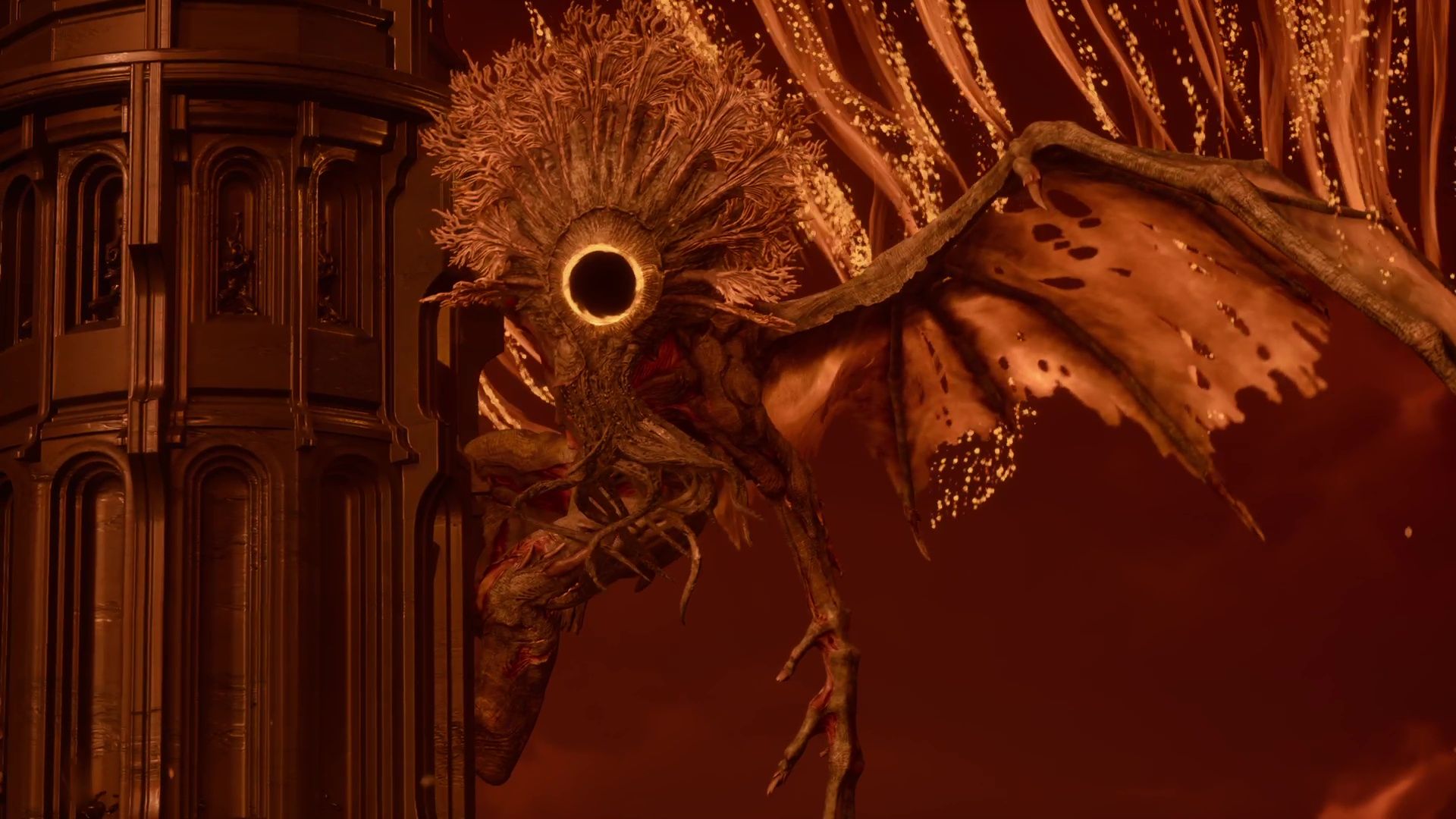
Carcosa is not your typical alien planet. Drawing heavy inspiration from R.W. Chambers’ The King in Yellow, the environment is a masterclass in "portentous" art direction. The atmosphere is thick with sand and dust, illuminated by a sun that undergoes erratic solar eclipses, plunging the battlefield into total darkness at the worst possible moments. When the lights go out, the Eldritch Horror elements truly shine, forcing you to rely on sound cues and muzzle flashes to survive.
The narrative stakes are immediate. Devraj wakes up with amnesia after a catastrophic ship crash, discovering that half his team hasn't just died—they’ve gone "murderously bonkers." This isn't just flavor text; the insanity of his former crew translates into unpredictable enemy AI patterns that defy standard shooter tropes. You aren't just fighting monsters; you're fighting the fractured remains of a mission gone horribly wrong in a setting that feels like Silent Hill set in deep space.
Adrenaline Mechanics Power High-Performance Gameplay
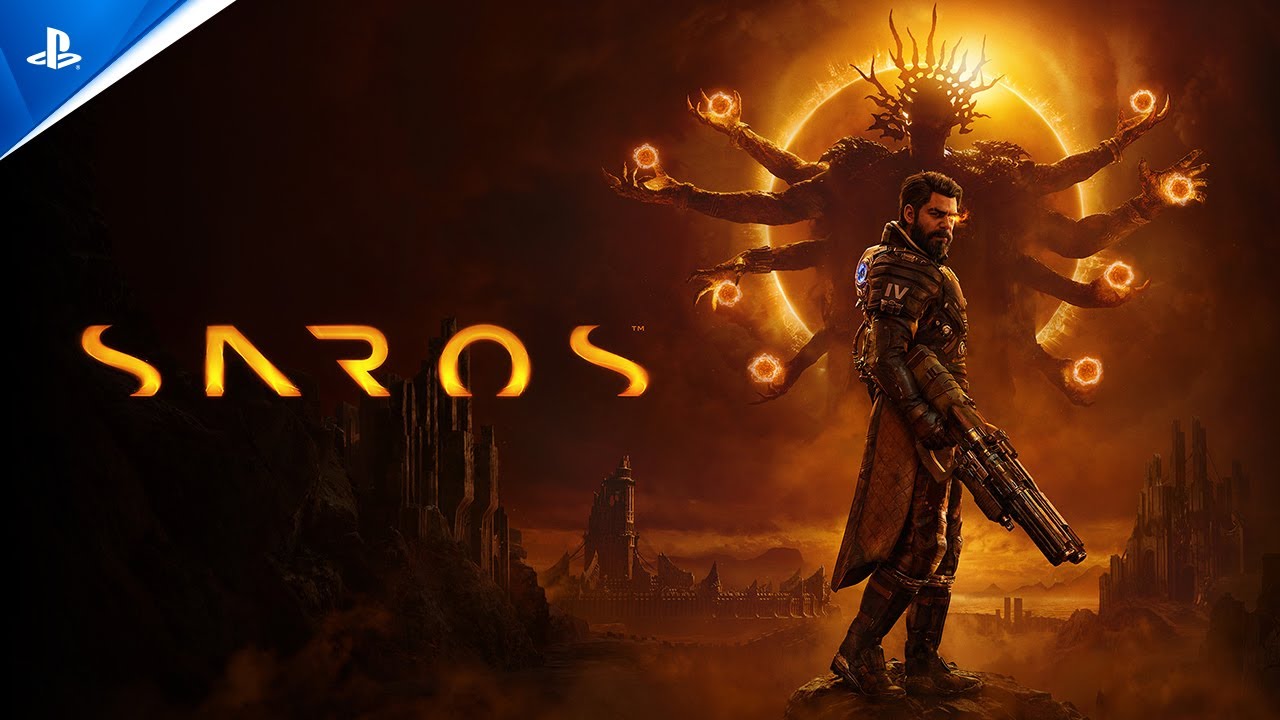
While the atmosphere is heavy, the movement is light and lethal. Saros Blends Eldritch Horror with High-Octane Combat by tying your survival to the "Adrenaline" system. Much like the flow state found in Returnal, players gain massive power-ups from maintaining unbroken kill combos. As your Adrenaline rises, Devraj moves faster, reloads instantly, and gains heightened sensory perception, allowing you to see through the thick dust of Carcosa. This creates a fascinating tension: the horror tells you to hide, but the High-Performance Gameplay demands that you stay in the thick of the slaughter.
The "cheating death" mechanic is central to the experience. Devraj’s inability to stay dead is treated as a curse rather than a gift, woven directly into the High-Performance Gameplay loop. Each death resets the colony’s layout, shifting the mining tunnels and ritual sites, ensuring that no two runs feel identical. It’s a brutal, high-stakes dance where a single mistake can send you back to the crash site, but the mechanical precision of the controls makes every failure feel like a lesson rather than a cheap shot.
Housemarque Refines the Crossplay Experience

Though primarily a solitary descent into madness, the game is built on a robust technical foundation designed for the modern era. Sony has confirmed that the Crossplay Experience will be seamless, allowing players on different platforms to share "Echoes" of their past lives. You might find the corpse of another player and scavenge their gear, or witness a ghostly projection of their final moments to avoid a hidden trap. These Crossplay Mechanics add a layer of community to an otherwise isolating journey.
The stability of these online features is critical, as the game’s fast-paced nature leaves no room for latency. Housemarque is aiming for a rock-solid 60 FPS even during the most chaotic solar eclipses when the screen is filled with particle effects and eldritch geometry. This commitment to technical excellence ensures that the Crossplay Mechanics don't interfere with the frame-perfect dodging required to survive Carcosa’s more "bonkers" inhabitants.
Scheduled for release on April 30, 2026, Saros is shaping up to be a dense, concentrated blast of terror. While the deep lore and intricate world-building suggest a massive RPG, the developers have hinted that a dedicated player could see the credits roll in about a week or two. This brevity isn't a flaw; it’s a design choice that favors replayability and mastery over mindless padding. Every minute spent on Carcosa is designed to be meaningful, terrifying, and mechanically perfect.
Saros will likely redefine how we view the intersection of horror and action, proving that a game can be genuinely scary without slowing down the pace. The atmospheric weight of the "King in Yellow" influences combined with Housemarque’s signature combat polish makes this a mandatory play for 2026. Expect the final release to be a polarizing, intense journey that rewards skill as much as it punishes cowardice.
Frequently Asked Questions
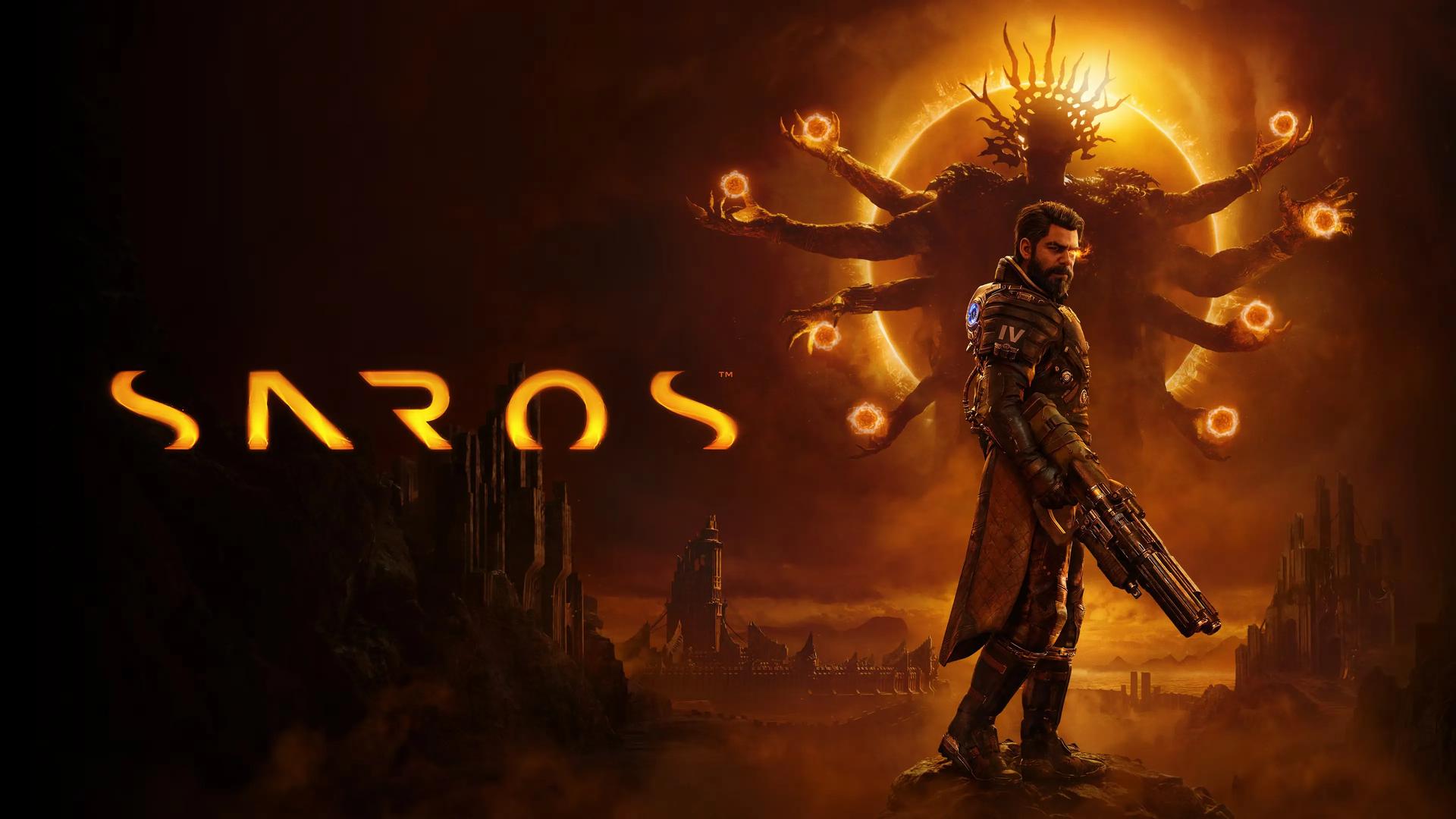
Is Saros a sequel to Returnal?
While it shares the roguelike DNA and high-speed combat of Returnal, Saros is a standalone IP with a unique story and setting. It focuses more heavily on psychological horror and Lovecraftian themes.
How long does it take to beat Saros?
A dedicated player can likely complete the main narrative in one to two weeks. The game is designed for high replayability rather than a massive, hundred-hour campaign.
Does the game support cross-platform play?
Yes, Saros features integrated crossplay mechanics that allow players to interact with the "Echoes" of others across different systems. This social layer provides gameplay advantages and narrative clues during your runs.
Confirmed details first, useful context second. This is the quickest path to the source trail and the next pages worth opening.
Source date: April 24, 2026