
The 2026 Game of the Year race is set, and Grand Theft Auto VI occupies an unusually interesting place in it. The Rockstar title was nominated on November 17, two days before its November 19 launch. Its five rivals are 007 First Light, Control Resonant, Phantom Blade Zero, Resident Evil Requiem and The Legend of Zelda: Ocarina of Time. The results are due at The Game Awards on December 10, and the most useful conversation is not who has the loudest fanbase, but what makes a game deserve the overall prize.
The official Game of the Year category page and nomination list are the primary references. The nominees were revealed on November 17 in The Game Awards' broadcast. This November 22 article is a follow-up for readers weighing their ballots; it is not a breaking-news claim about newly announced nominations.
Why this shortlist creates an interesting comparison
Six different design ambitions are competing. 007 First Light uses a familiar spy setting for its action experience. Control Resonant brings Remedy's offbeat worldbuilding and combat ideas. GTA VI is an enormous Rockstar open-world production. Phantom Blade Zero represents intense action design, Resident Evil Requiem approaches play through survival horror, and Ocarina of Time revisits one of Nintendo's most recognized adventures.
That diversity should make the ballot more interesting rather than less fair. No single genre has a monopoly on difficulty, creativity, polish or memorable moments. An open-world game might be judged on the coherence of hundreds of activities, whereas a more focused game can make a compelling case through pacing and tight mechanical design. More hours and more content do not automatically make a better result.
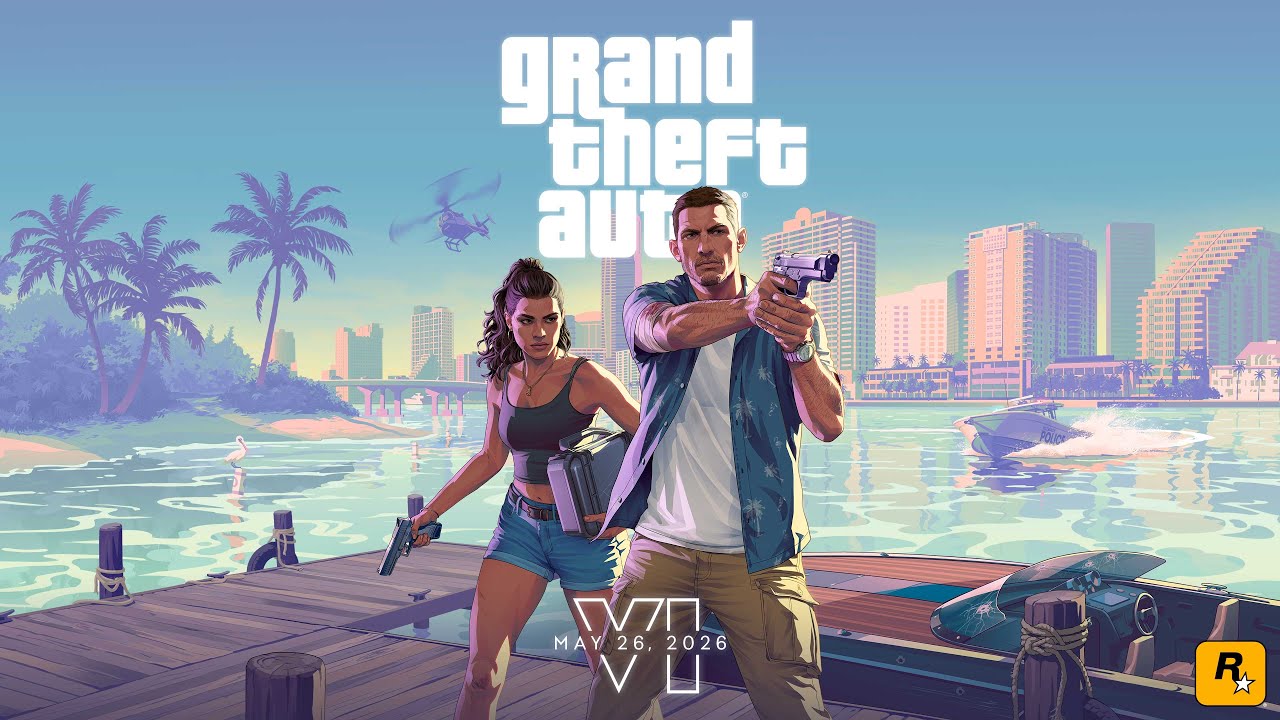
If someone chooses GTA VI, for example, the meaningful explanation is not merely that it was anticipated for years. It is whether the playable world, character interactions and mission design deliver a stronger experience than the alternatives. A vote for a smaller or more specialized game should likewise cite what it achieves rather than presenting popularity as evidence of quality.
What does a nomination before release actually mean?
The GTA VI timing is a legitimate question to ask. Nominees were revealed before the game became commercially available on November 19. But the timing alone does not prove a rules violation or a guaranteed advantage. The event publishes its eligibility and voting framework; readers should consult the official FAQ rather than assuming fan speculation is a rulebook.
A nomination is also not an award. The actual outcome will be decided later, and pre-launch excitement is not a substitute for completing the game. We have not independently played and rated all six nominees, so it would be irresponsible to imply a definitive winner based on a marketing trailer or an incomplete review sample.
There are good-faith arguments on both sides of the eligibility debate. A late-year blockbuster should not be excluded merely because of its calendar timing if it meets the published rules. At the same time, voters need a fair opportunity to assess it, and recognition should reward the work itself rather than expectations built before anyone had access. Those are standards worth discussing without personal attacks on players who prefer different games.
Should a revisited classic compete with new creative ideas?
The Legend of Zelda: Ocarina of Time introduces a different discussion. How much should an updated presentation or contemporary release of a celebrated older design count when placed alongside new games? Some players judge the complete experience available this year. Others put extra value on originality or the risks of newly imagined mechanics and worlds.
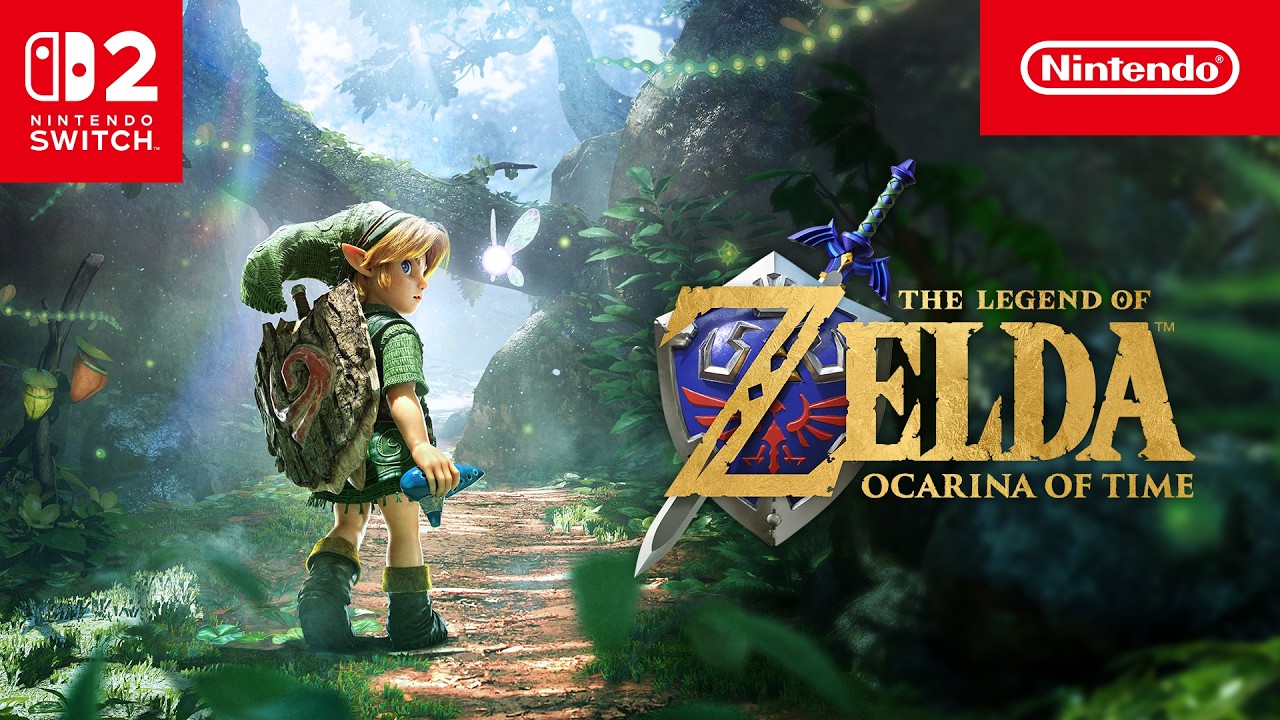
Neither position has to be dismissed. If a familiar design is still elegantly playable, that is relevant. If a newer title combines mechanics in ways that push the medium forward, that deserves attention too. A better debate names the criterion rather than claiming anyone who disagrees has poor taste.
The same applies across the rest of the slate. Resident Evil Requiem can be discussed in terms of atmosphere, tension and encounter pacing. Phantom Blade Zero might inspire a discussion of combat precision and responsiveness. Control Resonant's storytelling and 007 First Light's action presentation invite different expectations. Those are comparison questions, not unverified claims of superior performance or final reviews.
How to take part in the official vote
Open the official nominations page to see the categories and current voting interface. The event's rules explain how fan participation fits into the wider awards process. Do not confuse online engagement, a social media straw poll or a publisher's promotional campaign with the official jury-and-audience system.
The event is scheduled for December 10, 2026. If submitting a ballot, check the current deadline and eligibility information on the official site because individual processes can differ. Other categories may also recognize creative direction, sound, performances and accessibility, even when a game does not win the top prize.
A constructive way to compare candidates is to choose one standard first: moment-to-moment gameplay, innovation, storytelling, polish, emotional impact or how successfully a game delivers on its own goals. Then apply that standard consistently to each contender. Changing the metric only to favor the game you already like makes the debate much less useful.
Who gets your vote, and why?
The six contenders are named, the ceremony is ahead, and there is no official Game of the Year winner yet. Which single achievement makes your preferred game worthy of the 2026 title? Is it a particular mechanic, story sequence, technological breakthrough or the way it brings all its elements together?
Give a specific reason and other fans have something worth responding to. For full category details, voting status and schedule, use the organizer's official nominees page.
Source date: November 17, 2026