Barone and Industry Leaders Sound Alarm Over AI in Game Development
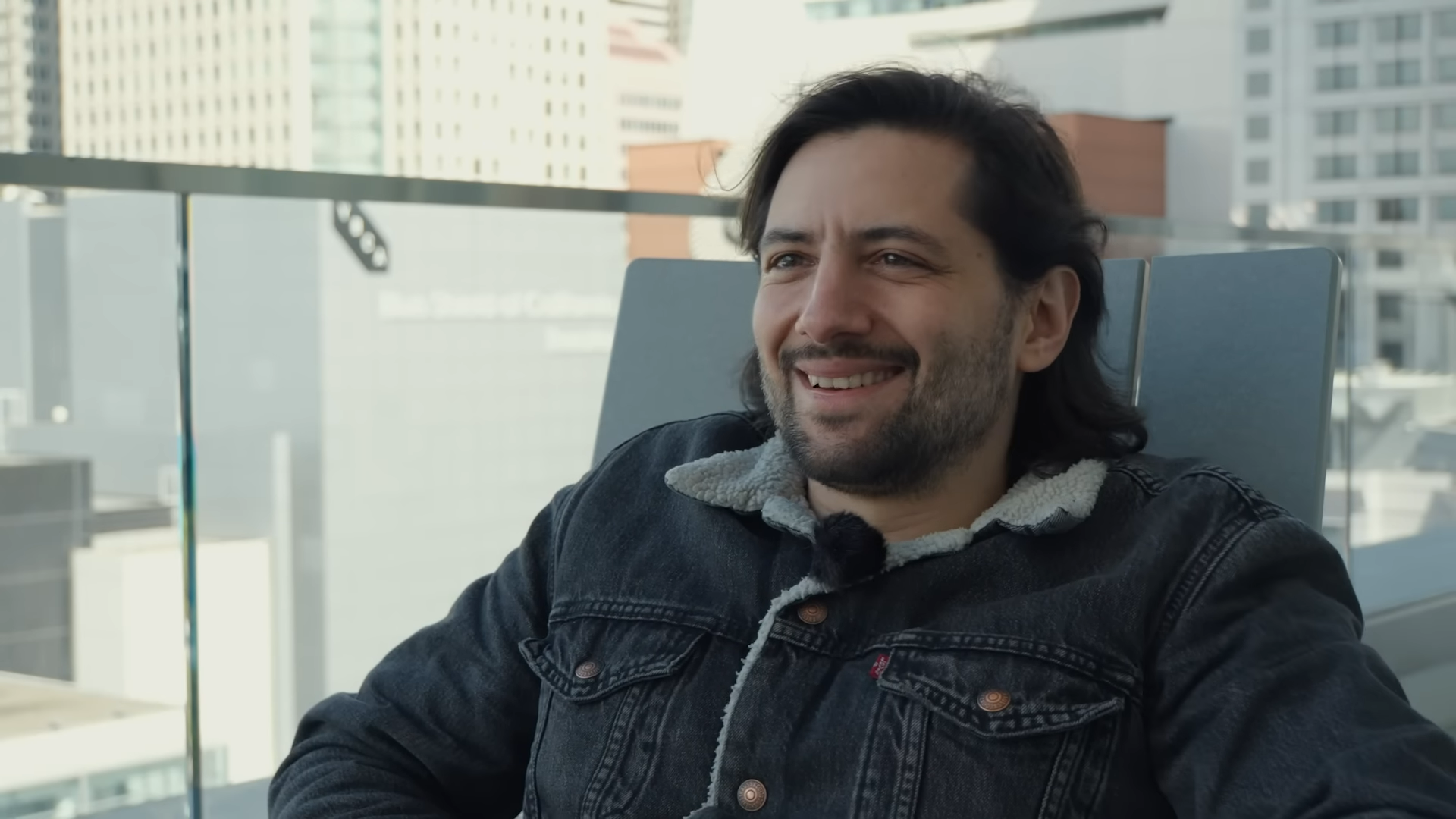
Is the next generation of video game art coming from a machine, or from a human heart? The debate over artificial intelligence in creative development has exploded from a niche tech discussion into a full-blown industry crisis. Industry veterans, from beloved indie creators to corporate titans, are raising the alarm, suggesting that the relentless adoption of AI risks stripping games of their essential soul.
What this means for players: The lines between genuine human creativity and algorithmic mimicry are blurring, forcing developers to decide if the convenience of AI is worth sacrificing the unique "human touch" that defines great interactive art.
The overwhelming sentiment is one of caution, a palpable fear that the pursuit of efficiency through AI is fundamentally undermining the integrity and authenticity of video game creation.
The Human Touch vs. Algorithm: Barone's Stance
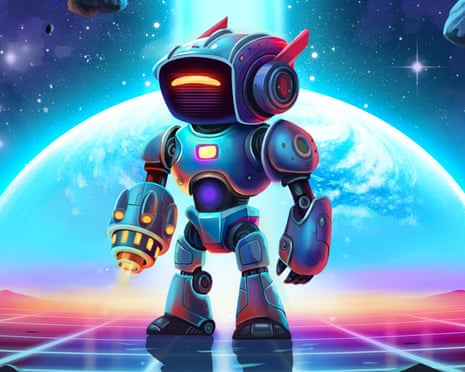
The most vocal and deeply felt critique comes from indie royalty. Stardew Valley creator Eric Barone has become a powerful voice against the use of AI in any creative process. For Barone, the involvement of algorithms in art is a creative line that should never be crossed.
He stated that when AI is involved in any creative step, "anything’s lost." This isn't just a technical concern; it’s an artistic one. Barone emphasized that AI use is always going to undermine the pure and authentic human element of creative work, declaring it "beside the point" of his creative goals.
His stance is a profound defense of the messy, wonderful imperfection that defines human effort. Barone stressed his commitment to preserving the complexities and unique creativity inherent in art made solely by human beings, arguing that the value of human-made art is something irreplaceable.
Industry Leaders Join the Critique

The skepticism surrounding AI in development is not limited to the indie sphere. It has spread across the corporate and high-profile sections of the industry, creating a genuine wave of professional resistance.
High-profile figures have used sharp language to condemn the technology. From the directors of massive franchises to co-founders of gaming giants, the warnings have been scathing. One Mass Effect director labeled AI output as "creatively soulless," while a Rockstar co-founder dismissed AI products as too "generic" to sustain a true gaming experience.
The critiques escalated further from the top brass. Take-Two’s CEO publicly called AI a "combination of metadata with a parlor trick," and another notable condemnation came from Neil Newbon, who bluntly declared that "AI sucks." Even development teams, such as Demonschool, issued statements so strong they suggested they would "rather cut off our own arms" than utilize the technology for their projects.
What this means for players: This collective resistance suggests that major studios are internally grappling with the ethical and creative boundaries of AI, meaning that the technology's integration will likely be slower and more scrutinized than the tech hype cycle suggests.
A Shared Concern for Authenticity
The collective message from these industry veterans is unified: a deep concern over the dilution and devaluation of human artistic effort. This sentiment is not merely about job security; it is about the core identity of the art form itself.
The debate has expanded beyond concept art. Larian's publishing director, for instance, denounced AI's supposed ability to replace even quality assurance (QA) workers, pointing to the irreplaceable need for human critical judgment. Every voice—from Barone's focus on human imperfection to the corporate CEO's warnings—highlights a resistance to algorithmic replacement in creative fields.
The conversation around AI in video game art is fundamentally a conversation about value. Can a machine replicate the narrative depth, the emotional weight, or the unique spark that only a human creator can provide? The industry seems to be collectively pausing to answer that question.
This tension creates a unique pressure point: developers need speed and efficiency, but the community—and the creators themselves—demands genuine artistry. The current atmosphere suggests that the future of game development will involve a careful, perhaps even reluctant, integration of AI as a tool, rather than a replacement for the human mind.
As the industry attempts to navigate these ethical and artistic waters, the primary challenge remains finding the balance. The consensus points toward using AI to augment human capability, not to automate the creative spirit entirely. The conversation around AI creative tool concerns will likely dominate development talks for years.
The ultimate test will be whether developers can harness AI to handle the tedious, resource-heavy parts of production—the grunt work—while reserving the emotional and narrative core of the game for human hands. The future of human-made art value is at stake.
The industry will likely adopt a tiered approach, using AI for procedural generation and asset creation, but maintaining human oversight for core narrative design and character emotional arcs. We can expect to see more specialized tools that act as sophisticated assistants rather than autonomous creators. Ultimately, the most successful games will be those that prove the indispensable necessity of the human artistic signature.
Frequently Asked Questions
Will AI completely replace human artists in gaming?
Most industry critics suggest that while AI will change workflows dramatically, it is unlikely to fully replace the unique narrative vision, emotional depth, and conceptual mastery provided by human artists.
What is the biggest concern regarding AI in game development?
The primary concern is the potential dilution of human artistic effort and the resulting loss of authenticity, leading to products that feel "generic" or "soulless."
How will AI affect the development cycle for new titles?
AI is expected to accelerate the initial asset creation and prototyping phases, potentially allowing smaller teams to achieve larger visual scopes, but requiring more human review for quality control.
Confirmed details first, useful context second. This is the quickest path to the source trail and the next pages worth opening.
Source date: May 15, 2026