You’ve spent hours scavenging, optimizing oxygen tanks, and barely dodging deep-sea predators. But if your base is still running on the basic, limited Fabricator, you're missing the game’s most crucial mid-game progression step. The upgraded Fabricator isn't just a cosmetic upgrade; it fundamentally changes your ability to survive, build, and explore the deep ocean.
What this means for players: Mastering the upgrade process and understanding its full potential is the key to transforming a fragile Lifepod outpost into a true deep-sea hub of advanced technology. If you're wondering how to upgrade Fabricator in Subnautica 2, read this guide first, because the basic unit severely restricts your access to game-changing blueprints.
Materials for Upgrading the Fabricator

The basic Fabricator found initially in the Lifepod is a necessary starting point, but it’s a massive bottleneck. To get the advanced crafting capabilities, you must first construct a dedicated base structure and execute the upgrade ritual. This process requires three specific, non-renewable resources.
The upgrade materials are straightforward to gather once you know where to look: 1x Titanium, 1x Copper, and 1x Quartz. While these materials seem simple, gathering them efficiently is the first major logistical challenge of the game. Titanium, in particular, is often found in mineral nodes around established base locations, meaning resource management becomes critical.
Pro Tip: Don't assume the initial Fabricator is permanent. Treat it as a temporary placeholder. Once you have the components, prioritize getting them to a safe, stable base location rather than trying to upgrade it on the move.
Unlocking Essential Blueprints at Base
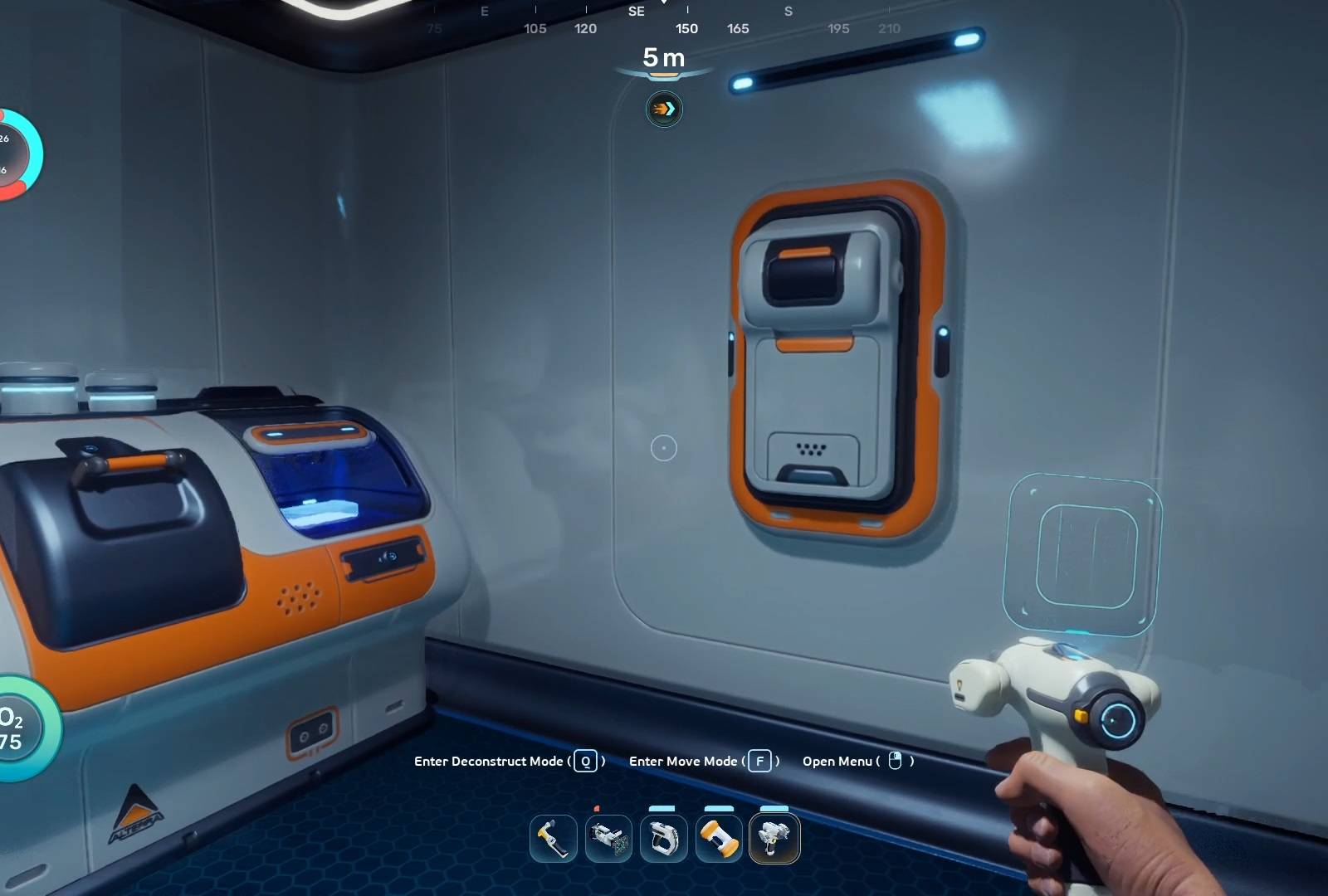
The true value of the upgraded Fabricator is not the structural change itself, but the entire cascade of essential blueprints it grants access to. These plans allow you to bypass dangerous travel and stabilize your power source, which is crucial for surviving the deeper biomes. Without these items, advanced basebuilding is simply impossible.
The most immediate and impactful blueprints you gain include the Sonic Resonator, the Repair Tool, the High Capacity Air Tank, and the highly sought-after Wakemaker. The Sonic Resonator Repair Tool blueprint, for example, allows you to maintain complex machinery and repair critical components in the field, drastically reducing downtime. This shifts your gameplay loop from reactive scavenging to proactive expansion.
The ability to craft the High Capacity Air Tank is a game-changer, dramatically extending your deep-sea exploration time and allowing you to venture into zones previously considered too dangerous. This makes the investment in upgrading the Fabricator one of the best returns on time and effort in the game.
Optimizing Your Subnautica 2 Base
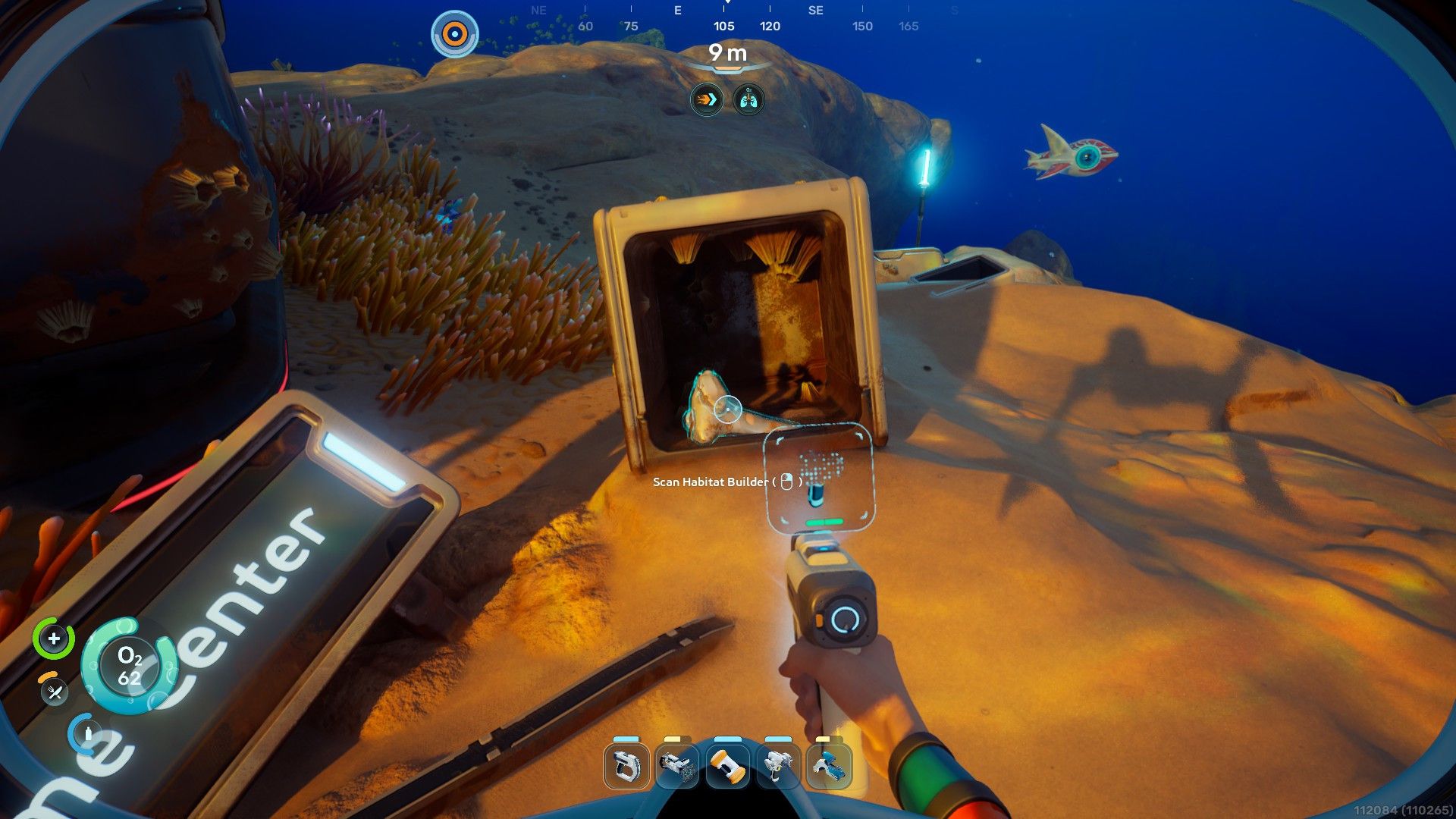
Once you have successfully upgraded the Fabricator, your focus must shift entirely to optimizing your base of operations. The goal is to create a self-sufficient ecosystem that minimizes the need to return to the original, vulnerable Lifepod.
The perfect base location must be defensible, have easy access to varied resource nodes (for copper, quartz, and titanium), and ideally, be situated near an established power source or geological feature. By maintaining a robust base, you ensure that all your crafted gear remains secure and immediately accessible.
Effective Subnautica 2 basebuilding Fabricator use means establishing a clear workflow: resource gathering → return to base → craft/upgrade → explore. This systematic approach ensures that the powerful crafting capabilities of the upgraded Fabricator are utilized to their maximum potential, allowing you to stabilize your power grid and expand your research capacity without interruption.
You should view your base not just as a workshop, but as a central hub for research and survival. Prioritize crafting multiple redundant systems for power generation and air filtration. This strategic setup is what separates casual players from true deep-sea pioneers.
The next major content patch is expected to introduce biome-specific resource generators that will require advanced power management. We anticipate players will need a secondary, localized Fabricator powered by a geothermal tap to handle the new energy demands.
Furthermore, the integration of advanced lifeforms into the base structure might require a third-tier upgrade to the Fabricator itself, necessitating entirely new material gathering methods. We expect a strong focus on power efficiency and resource recycling to keep up with the escalating complexity of the environment.
The community will likely start demanding detailed guides on multi-layered, specialized base structures, moving beyond simple resource hubs into functional, self-contained survival complexes.
Frequently Asked Questions
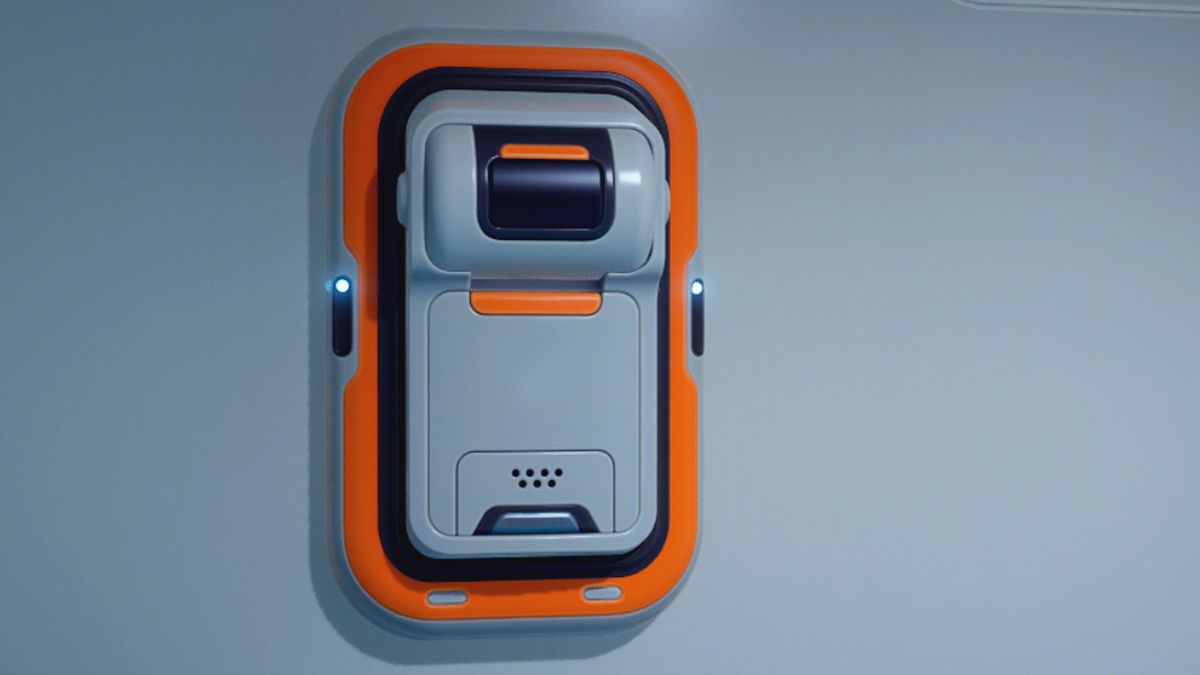
What is the best base location in Subnautica 2?
Optimal locations offer proximity to diverse mineral deposits (titanium, copper, quartz) and are protected from major deep-sea predators. Look for sheltered areas with natural power sources.
Do I need a specific blueprint to upgrade the Fabricator?
No, the upgrade itself requires physical materials (titanium, copper, quartz). However, blueprints like the Sonic Resonator are what make the upgraded Fabricator truly functional.
Does the upgraded Fabricator affect my oxygen consumption?
Indirectly, yes. By allowing you to craft High Capacity Air Tanks and efficient power sources, the upgraded Fabricator enables you to explore further and manage oxygen resources better.
Confirmed details first, useful context second. This is the quickest path to the source trail and the next pages worth opening.
Source date: May 15, 2026