Fallout Legend Tim Cain: Influencer Culture Is Killing Game Design
Your favorite RPG might be designed for a Twitch streamer, not you. Tim Cain, the legendary mind behind Fallout, has a chilling warning for the industry: the soul of gaming is being traded for clicks. The creative spark that once fueled the golden age of RPGs is being smothered by the need for viral approval.
What this means for players: The games you play are increasingly being built as stages for performers rather than immersive worlds for participants. Tim Cain’s recent observations suggest that the rise of video content has fundamentally altered the DNA of game development, forcing creators to prioritize "clip-worthy" moments over cohesive narrative depth.
Tim Cain Laments The DIY Death
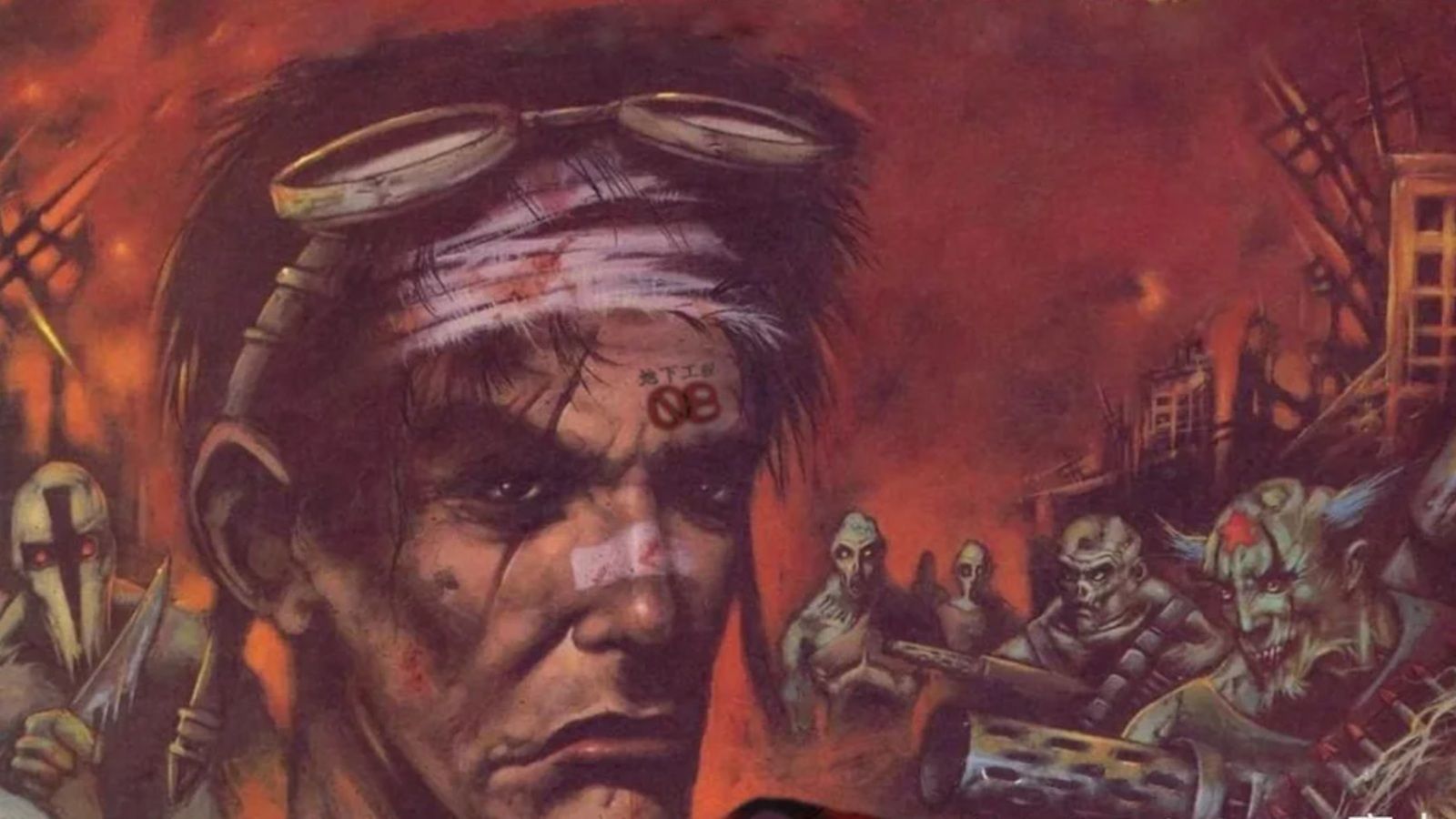
The late 1990s represented a wild west of player discovery, a period Tim Cain identifies as the peak of the "DIY ethos." Back then, if you got stuck in a dungeon or needed to figure out a complex mechanic, you relied on your own wits or perhaps a cryptic hint on a text-heavy message board. It was a collaborative, ground-up culture where the player was the protagonist of their own experience.
That era is dead. Cain notes that the proliferation of online message boards and exhaustive digital guides began the erosion, but the real hammer blow came with the explosion of video content. We have moved from a culture of discovery to a culture of consumption. The Shift from DIY Ethos to Clickbait has transformed how players interact with systems, turning a private journey into a public performance optimized for the algorithm.
Developers are no longer just fighting for your time; they are fighting for the attention of the person you watch on YouTube. When a studio sits down to map out a quest line, the question has shifted from "Is this fun?" to "What part of our game would make for good clips?" This pivot in game development prioritizes the spectacle over the substance, ensuring that the loudest voices in the room are the ones dictating the mechanics of the future.
Tim Cain Slams Modern Gamer Judgement

Perhaps the most stinging part of Cain’s critique focuses on the players themselves. He argues that the modern gamer has largely abdicated their own critical judgment. Instead of forming a personal opinion based on hours of hands-on play, many now wait for their favorite creator to tell them how to feel. This isn't just about laziness; it’s about the power of influencer culture and the parasocial bonds it creates.
Cain expressed deep concern that "People don't form opinions from the online video, they're handed an opinion from the online channel they're watching." This top-down distribution of "correct" opinions has created a monoculture where a game is either a masterpiece or "trash" within hours of a trailer dropping. The nuance of critical review has been replaced by the binary of the like button.
This erosion of judgment creates a feedback loop that traps developers. If the community reacts solely based on the whims of a few high-profile streamers, the developers naturally gravitate toward satisfying those specific individuals. It is a dangerous cycle where the "informed" opinion is actually just a mirrored reflection of a single personality's brand, leaving the average player's genuine experience as a secondary concern.
How Tim Cain Views Game Development

The pressure to perform for the camera is actively corrupting the design process. Cain labeled the practice of designing around influencer reactions as "probably not a healthy way of designing a game." When a designer is forced to think about how a specific streamer might react to a plot twist or a boss fight, the artistic integrity of the work begins to fray. It leads to "gotcha" moments and artificial difficulty spikes designed to generate loud, shareable reactions.
This shift affects everything from UI design to the pacing of the narrative. We see games becoming more "readable" for an audience that isn't even playing. Colors are brighter, animations are more exaggerated, and systems are simplified so a viewer can understand what’s happening at a glance. The complexity that once defined the RPG genre is being streamlined to ensure the video content remains accessible to a passive audience.
Cain’s career has been defined by giving players agency—the power to choose their path and face the consequences. But in a world where the "best build" is a Google search away and the ending is spoiled by a thumbnail before you even buy the game, that agency feels hollow. The industry is moving toward a model where the player is merely a facilitator for the content, rather than the hero of the story.
Tim Cain Predicts A Bleak 2030s
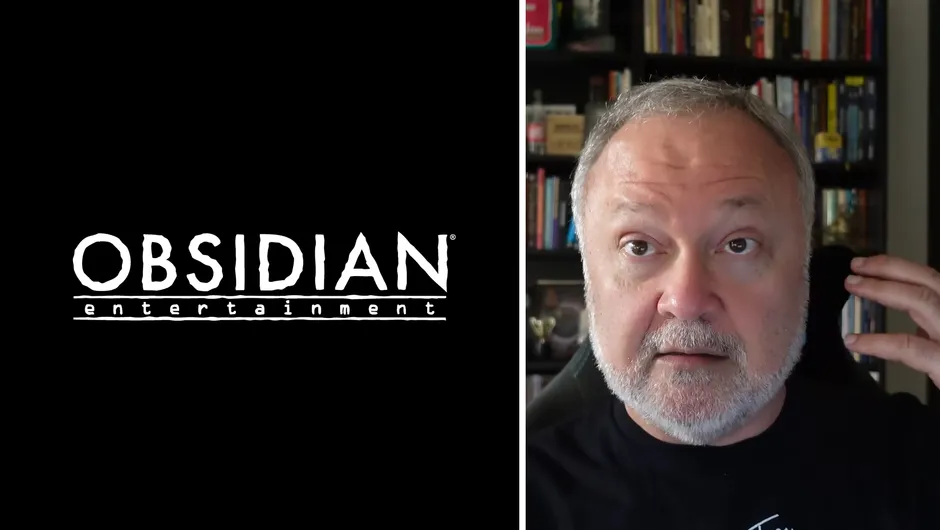
When looking toward the horizon, the veteran designer admits he has "no idea what the 2030s are going to be like." This uncertainty isn't born of a lack of imagination, but rather a realization that the speed of cultural change is outpacing the traditional development cycle. If a game takes five to seven years to build, how can a team possibly account for the shifting sands of internet trends?
The danger is that by the time a game is released, the influencer landscape it was designed for may no longer exist. We are seeing a mismatch between the slow, deliberate art of game creation and the frantic, minute-to-minute demands of the attention economy. This tension creates a volatile environment where studios take fewer risks, sticking to established formulas that they know will perform well on social media.
The 2030s will likely see a total convergence of gameplay and broadcast technology, where "playing" and "streaming" are indistinguishable. Developers who refuse to optimize for the algorithm may find themselves relegated to a niche, high-priced boutique market. We are witnessing the final days of the solitary, self-determined gaming experience.
Frequently Asked Questions
When did Tim Cain release his influencer culture warning?
Tim Cain shared these concerns in a recent video on his YouTube channel, reflecting on how the industry has shifted since his work on the original Fallout.
How does video content change modern game development?
Developers often prioritize "clip-worthy" moments and visual clarity to ensure the game performs well on streaming platforms and social media.
Is following a "best build" worth it for players?
While it can make the game easier, Tim Cain suggests that relying on guides and influencers robs players of the DIY discovery that defined classic RPGs.
Confirmed details first, useful context second. This is the quickest path to the source trail and the next pages worth opening.
Source date: May 3, 2026