Imagine a game where the most high-stakes moment isn't a headshot or a dragon felling, but the gentle chime of a sliding door. While the rest of the industry chases 100-hour epics and battle passes, a new title is capturing hearts by doing the exact opposite. This is the world of inKONBINI, a project that proves the mantra of Konbini One Store Many Stories is exactly what the modern, burnt-out gamer needs.
What this means for players: A total rejection of high-pressure management mechanics in favor of a meditative, story-driven experience that prioritizes your peace of mind. Instead of frantic clicking to keep shelves stocked before a timer runs out, you are invited to exist within a specific moment in time—specifically, a small-town Japanese convenience store in the early 1990s. It is a bold gamble in a market obsessed with "retention," yet it is exactly why everyone is talking about it.
Makoto Hayakawa Navigates 90s Japan
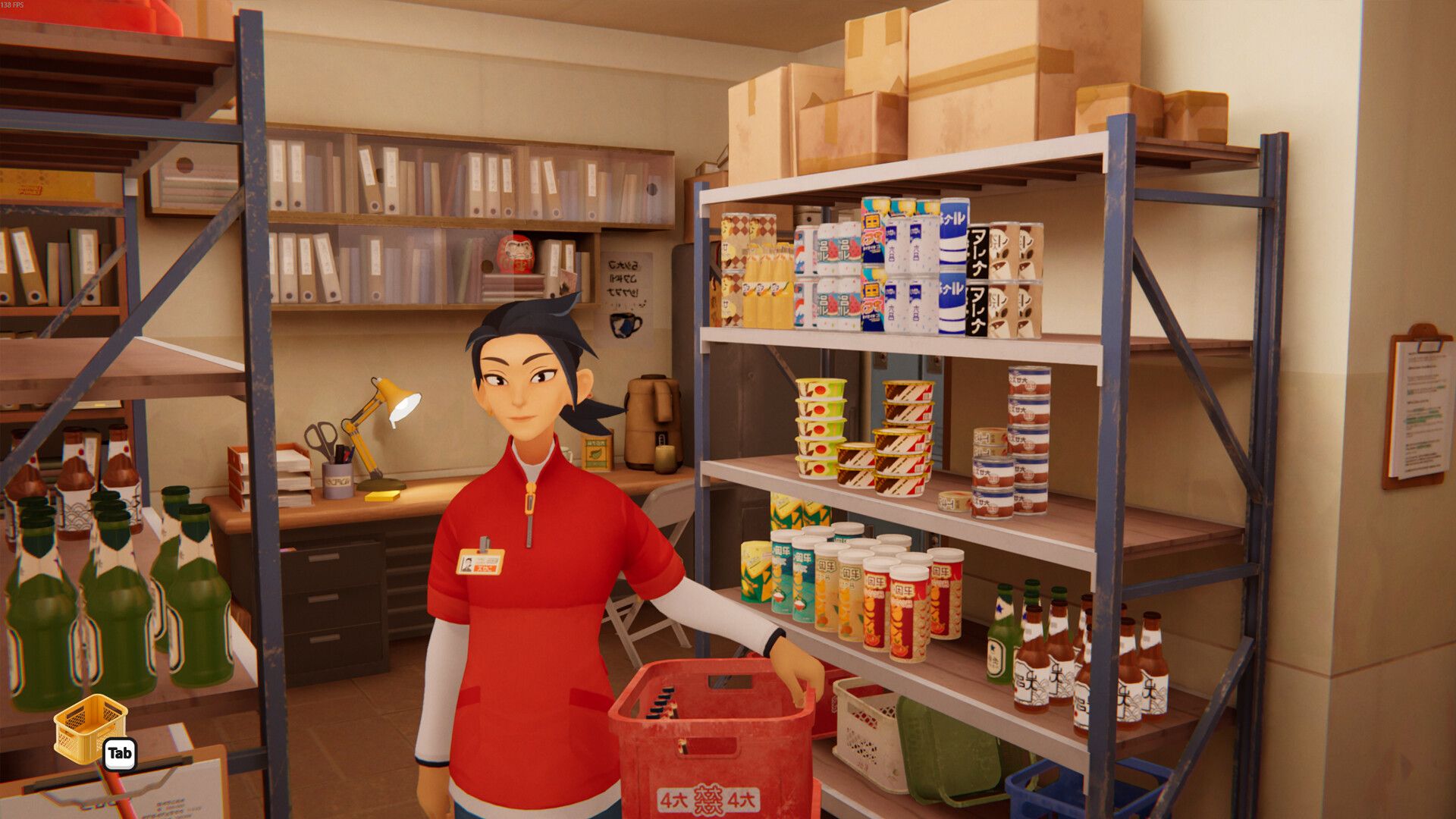
The game places you in the shoes of Makoto Hayakawa, a college student who takes an internship at her aunt's convenience store. This isn't just a job; it’s a front-row seat to the unfolding lives of a small community. By framing the protagonist as an intern, the developers allow players to learn the ropes of the store alongside Makoto, making the immersion feel earned rather than forced. You aren't a faceless manager; you are a person with a name, a history, and a growing list of neighbors to care about.
The Konbini One Store Many Stories philosophy shines here. Each customer who walks through the door isn't just an NPC with a shopping list; they are a narrative puzzle. Some might be regulars who come in for the same pack of cigarettes every day, while others are passing through with secrets they might share if you pay enough attention. The game rewards those who look closer, turning the act of retail service into an exercise in empathy. It’s a slow-burn narrative that trusts the player to find the meaning in the mundane.
The Quiet Charm of the Konbini Setting
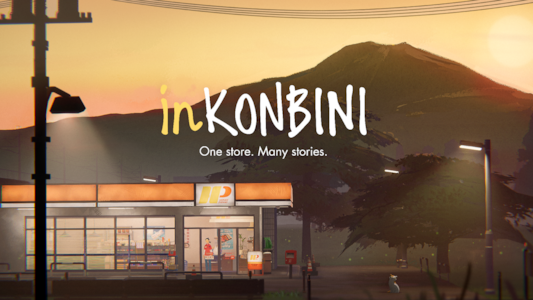
What sets this title apart is its relentless commitment to atmosphere. The developers have leaned heavily into Nostalgia and Observation, recreating the specific aesthetic of 1990s Japan with startling accuracy. We’re talking about soft pastel colors, the warm glow of fluorescent lights against a rainy window, and a soundscape that is pure ASMR. The low hum of the drink refrigerators and the rhythmic "clack" of restocking shelves create a trance-like state that makes the outside world disappear.
The store itself becomes a character. As the days pass, you begin to notice the subtle rhythms of the neighborhood. You learn which lights flicker and which floorboards creak. This level of detail isn't just for show; it’s the core of the gameplay. By focusing on the minute details of the environment, the game forces you to slow down. In an era of gaming where we are often told to "skip dialogue" or "optimize routes," being forced to appreciate the steam rising from a cup of oden is a radical act of design.
Focus on Connection Over Competition

Mechanically, inKONBINI throws the rulebook out the window. There are no game-over screens here. There are no angry bosses shouting about profit margins. Instead, the gameplay revolves around "attention and presence." You arrange products not because a timer says so, but because it feels right to have the store looking its best for the next visitor. This Focus on Connection Over Competition is a breath of fresh air for anyone who finds traditional sims more stressful than their actual jobs.
The branching dialogue system is where the "Best Build" for your playthrough actually happens. Your choices in conversation—how much you choose to listen versus how much you intervene—directly impact your relationships with the townspeople. You might discover a hidden backstory about a local fisherman or help a student find the courage to take an exam. These small victories feel more significant than any experience point gain because they feel human. For players wondering if the slow pace is Worth It, the answer lies in the genuine emotional weight of these interactions.
Why inKONBINI Redefines Cozy Gaming

We are seeing a massive shift in what players demand from their "cozy" titles. It is no longer enough to just have a cute art style; there needs to be a soul. This game provides that by grounding its world in a specific time and place. The 1990s setting isn't just a gimmick; it’s a period before the hyper-connectivity of the internet, where a convenience store really was the social hub of a small town. It captures a lost sense of community that many players are desperate to reclaim.
By the time you finish your first week as Makoto, the store feels like home. You aren't just checking boxes; you are participating in a living history. The Konbini One Store Many Stories approach ensures that no two players will have the exact same emotional journey, even if they are stocking the same shelves. It is a masterclass in environmental storytelling that proves sometimes, the biggest stories are found in the smallest places.
Frequently Asked Questions
When is the inKONBINI release date and what platforms is it on?
The game is currently in development with a planned release for PC and major consoles, though a specific date has yet to be finalized by Nagai Industries.
Is inKONBINI a difficult management simulation game?
No, the game explicitly avoids high-pressure mechanics and timers, focusing instead on narrative depth, dialogue choices, and atmospheric exploration.
Can you customize the store in inKONBINI?
While you can arrange shelves and interact with the environment, the focus is on maintaining the store's 1990s aesthetic rather than extensive creative building.
Expect inKONBINI to spark a new wave of "slow-life" simulators that prioritize narrative texture over mechanical complexity. The game’s success will likely push other indie developers to explore specific historical periods through the lens of mundane, everyday labor. As players continue to seek refuge from high-stress competitive gaming, this 90s convenience store might just become the industry’s most unlikely sanctuary.
Confirmed details first, useful context second. This is the quickest path to the source trail and the next pages worth opening.
Source date: May 2, 2026
What did this story make you feel?
One tap. Instant feedback. Zero friction.