You’re standing on the edge of a skyscraper, the sterile white architecture of the City of Glass stretching out like a digital dream. One wrong step means a thousand-foot drop, but the real danger isn't the height—it's the crushing weight of expectation that this sequel couldn't quite outrun. For a franchise built on the pure, unadulterated joy of momentum, the friction found in its execution remains a fascinating case study in "what could have been."
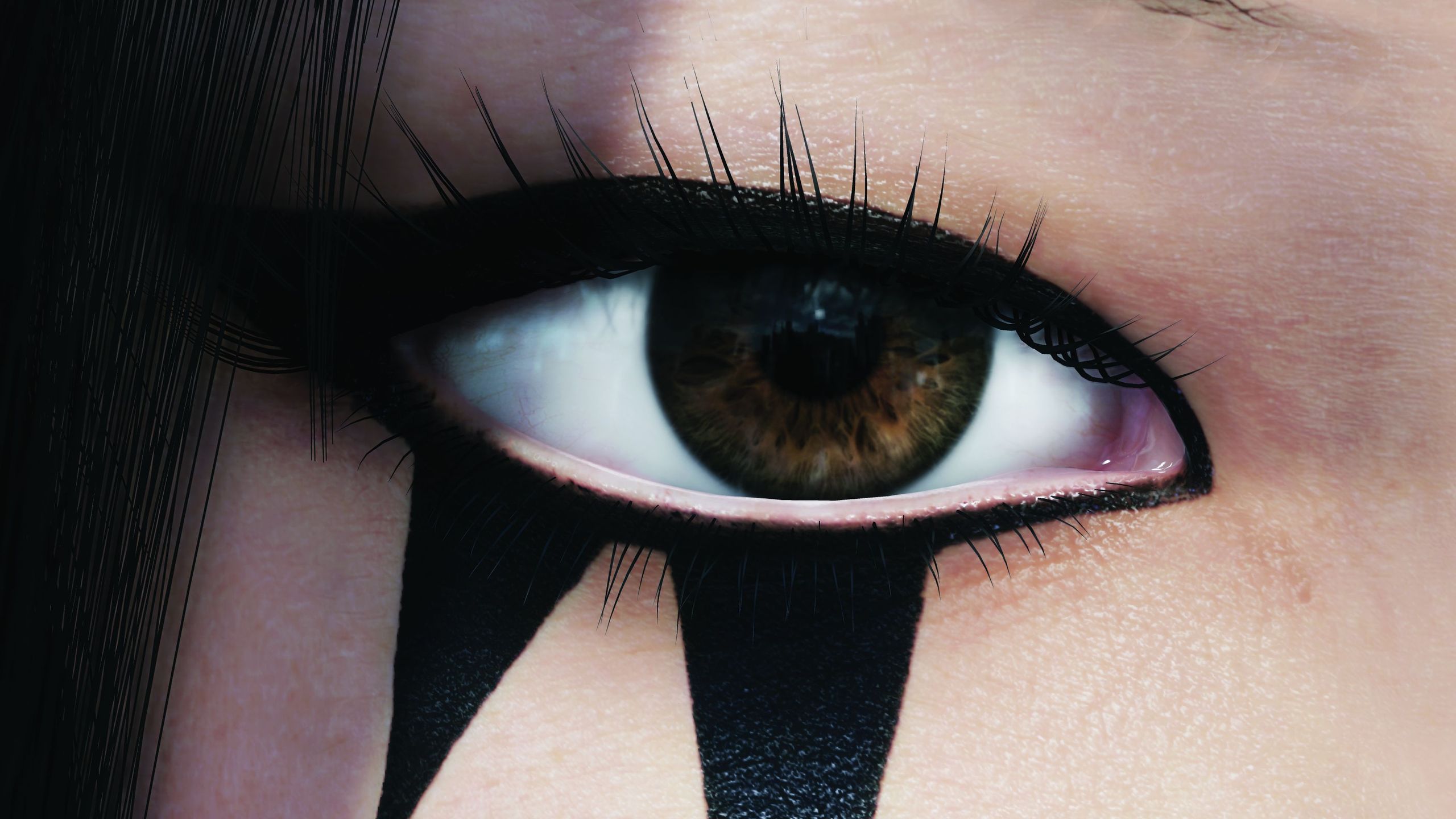
What this means for players: Even the most visually arresting world can feel hollow if the gameplay loop constantly trips over its own feet, forcing fans to choose between aesthetic beauty and mechanical frustration. While the game captures the kinetic energy of parkour better than almost any other title in existence, it struggles to maintain that flow when the narrative and combat systems demand center stage.

Mirror's Edge Catalyst Archive Review

Looking back at the critical reception, an archive piece from PC Gamer dated February 2009 sheds light on the early identity crisis of Mirror's Edge Catalyst. Despite the game’s undeniable visual prowess and the sheer "experiential quality" of its world-building, the reviewer labeled the experience as a disappointment. This wasn't because the game lacked ambition, but because that ambition often felt at odds with the player's enjoyment. The sequel had the impossible task of expanding a cult classic while trying to fix the flaws of the original, yet it seemingly traded one set of problems for another.
The city itself is a marvel of minimalist design, a playground where every ledge and pipe invites interaction. However, the disconnect between the promise of a free-running utopia and the reality of a fragmented experience is palpable. The archive highlights that while the sensation of being Faith Connors is stronger than ever, the surrounding game structure often feels like it's fighting against the very movement it tries to celebrate. It’s a gorgeous shell that occasionally forgets it needs to be a cohesive game first and a tech demo second.
Runner Vision Navigation Systems
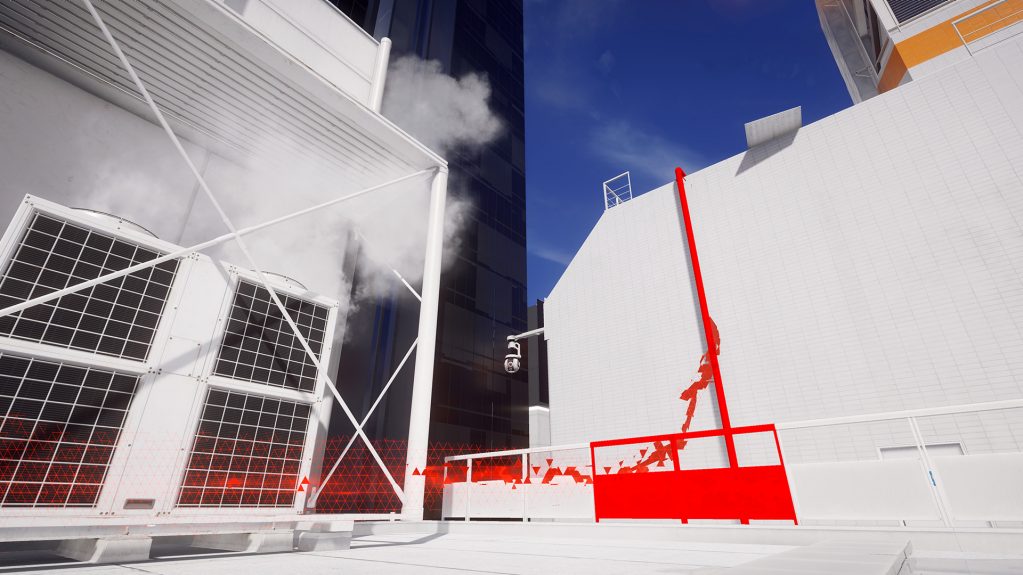
The core of the experience is built on "free-running"—a rhythmic dance of vaulting, sliding, and wall-running through an urban jungle. Navigation is the main event here, turning every rooftop into a puzzle that requires split-second timing. To help players maintain their speed, the developers implemented Runner Vision. This feature highlights key environmental elements in a striking red hue, acting as a visual breadcrumb trail through the monochromatic cityscape. When it works, you feel like a ghost in the machine, effortlessly threading the needle between obstacles.
However, the reliance on Runner Vision creates a strange paradox. Without it, the "open" world can become a confusing maze of dead ends and missed jumps. With it, you’re often just following a red line rather than truly exploring. The tension between wanting to look at the beautiful horizon and needing to stare at the next red pipe is constant. It’s a brilliant solution to a navigation problem that perhaps shouldn’t have existed in a more intuitively designed world, yet it remains the most iconic element of Faith’s toolkit.
SWAT Combat Friction Points
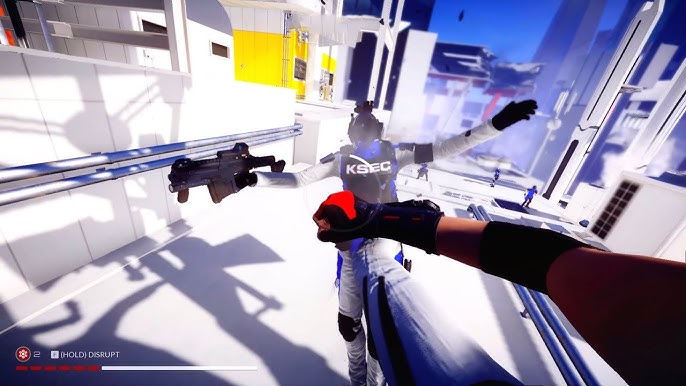
If the movement is the heart of Mirror's Edge Catalyst, the combat is the arrhythmia. The game frequently forces players into encounters with police and SWAT teams, effectively slamming the brakes on the parkour flow. These segments act as a jarring interruption to the core pleasure of the game. Unlike traditional shooters or stealth titles where combat is a reward or a tactical choice, here it feels like a chore. You want to be running, but the game demands you stop and engage in a clunky melee system that lacks the precision of the movement mechanics.
This conflict is where the game loses its footing. The story mode is surprisingly lean, clocking in at approximately six hours, and a significant portion of that time is spent dealing with these forced confrontations. When you’re caught in a room with three armored guards, the grace of Faith Connors vanishes, replaced by a desperate scramble that feels entirely out of character for a master runner. It’s a reminder that sometimes, less is more; the game is at its strongest when you are a shadow passing through the night, not a brawler trapped in a corner.
Speed Run Competitive Challenges

To compensate for the brief six-hour story, the developers leaned heavily into two distinct secondary modes: Speed Run and Time Trial. These modes are the purest expression of what the game wants to be. Speed Run takes existing story levels and strips away the narrative fluff, tasking players with hitting perfect lines to climb the leaderboards. Time Trials go a step further, offering pure movement challenges in areas completely devoid of enemies. This is where the community has found the most longevity, turning the game into a high-stakes competitive platformer.
In these enemy-free zones, the brilliance of the engine finally shines without distraction. You aren't worried about SWAT teams or confusing plot points; you’re just worried about shaving half a second off your wall-run. It’s here that the "experiential quality" mentioned in the early reviews truly manifests. For players who can look past the lackluster story and the frustrating combat, these trials offer a zen-like state of flow that few other games can replicate. It’s a niche appeal, certainly, but for those who live for the perfect run, it’s the only part of the game that truly matters.
Future titles in the parkour genre will likely abandon traditional combat entirely to focus on the kinetic flow that fans actually crave. Electronic Arts will probably keep the franchise in storage until VR technology can provide a more immersive way to experience Faith’s perspective without the need for forced combat loops. Expect the "Runner Vision" concept to evolve into a standard AR-inspired UI element for navigation in future open-world titles across the industry.
Frequently Asked Questions
How long does it take to beat the story?
The main story mode is relatively short, taking approximately six hours to complete. Players can extend their playtime by engaging with the Speed Run and Time Trial modes.
What is the purpose of Runner Vision?
Runner Vision highlights key environmental objects in red to guide the player through the city. It helps maintain momentum by showing the most efficient path for vaulting and climbing.
Are there different game modes besides the story?
Yes, the game features Speed Run modes for story levels and Time Trials in enemy-free areas. These modes focus purely on movement efficiency and competitive leaderboard rankings.
Tags :
Confirmed details first, useful context second. This is the quickest path to the source trail and the next pages worth opening.
Source date: April 19, 2026