PS6 Leak Reveals Sony’s Massive Plan to Save Your Old Games
Imagine a console that doesn't just look forward, but refuses to leave your past behind. A leaked internal document suggests Sony is building a machine designed to bridge three generations of gaming into a single, powerhouse box.
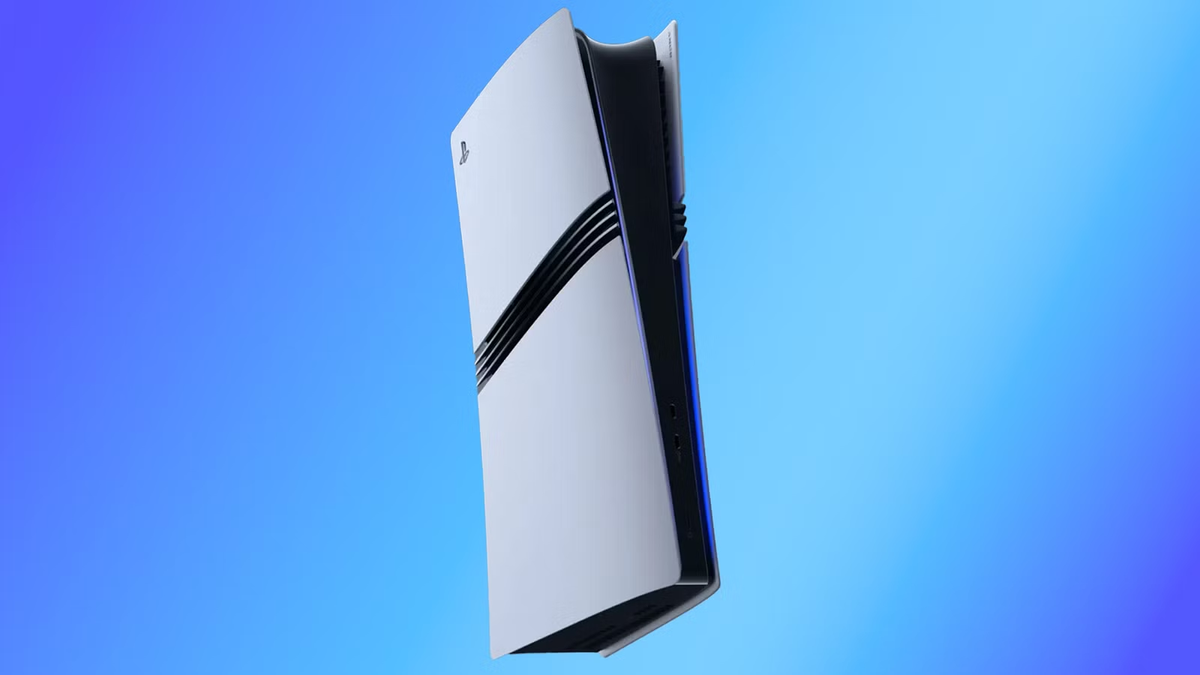
What this means for players: your existing library of PS4 and PS5 hits might finally be safe from the dreaded "generational reset" that usually kills off older digital collections when new hardware arrives. For years, the jump to a new console meant leaving your favorite trophies and save files in the dust, but the PlayStation 6 could change that cycle forever.

Sony Codename Canis Targets Three Generations
The gaming world caught fire following a discussion on the Broken Silicon Podcast, where Tom from Moore’s Law Is Dead shared details from a leaked document on April 14th. According to the report, the next-gen console is currently operating under the codename "Canis." While the name itself sounds like something out of a sci-fi thriller, the internal goals for the machine are even more ambitious.
The core of the leak centers on a massive commitment to backward compatibility. The document suggests that the PS6 is being engineered to natively support games from the PS4, PS5, and the PS6 eras. This isn't just about playing old discs; it’s about a unified ecosystem where your digital purchases follow you across a decade of hardware evolution. Sony seems to be realizing that in a world of live-service games and massive backlogs, players won't tolerate losing access to their purchases.
This move would align Sony more closely with the strategy seen in the PC gaming market and, more recently, with Xbox’s focus on legacy support. If "Canis" delivers on this promise, the friction of upgrading to a new console would virtually disappear. You buy the box, sign in, and your entire life’s work in gaming is simply there, waiting for you.
Handheld Hardware Might Join The PlayStation Family
Perhaps the most shocking part of the leak involves more than just a home console sitting under your TV. The document hints that this wide-reaching backward compatibility isn't limited to the standard PS6. There is mention of a potential handheld variant that would share these same capabilities.
The success of the Steam Deck and the Nintendo Switch has clearly caught Sony’s attention. A dedicated PlayStation handheld that can play PS4 and PS5 games natively—rather than just streaming them via Remote Play—would be a total game-changer. It suggests a future where the "Canis" architecture is scalable, allowing for high-end home performance and efficient mobile play without forcing developers to build entirely different versions of their games.
The technical hurdles for this are significant, but the leaked specs suggest Sony is looking at ways to make the transition between mobile and home play as seamless as possible. This would effectively turn the PlayStation brand into a platform that exists across multiple form factors, much like how we view mobile operating systems today.
Moore’s Law Is Dead Leak Carries Significant Caveats
While these details are enough to make any fan reach for their wallet, a heavy dose of reality is necessary. The information originated from a podcast discussion on April 14th, and the source was clear about one major detail: the leaked document is described as "years old." In the world of hardware development, a few years might as well be a lifetime.
Sony’s internal roadmaps are constantly shifting. What was a priority three years ago might have been scrapped or scaled back due to rising component costs or changes in market trends. It is entirely possible that the "Canis" project has evolved into something different or that the ambitious handheld plans have been shelved in favor of focusing on the main console’s performance.
Furthermore, Sony has not officially confirmed any of these PlayStation 6 specifications. When reached for comment, the company has remained silent, which is standard procedure for unannounced hardware. Until we see a logo or a teaser on a PlayStation Blog post, these details remain firmly in the category of unverified rumors. We are looking at a snapshot of Sony’s past intentions, not necessarily a guarantee of the final product.
Industry Speculation Surrounds Sony’s Future Hardware Strategy
The focus on multi-generational support highlights a broader shift in the industry. As game development budgets balloon and release cycles stretch to six or seven years, consoles can no longer rely solely on a handful of "launch exclusives" to sell hardware. They need a deep, reliable library of content available on day one.
By ensuring the PS6 can handle PS4 and PS5 titles, Sony creates an immediate value proposition for the millions of users already in their ecosystem. It prevents "platform drift," where players might consider switching to a competitor or moving to PC if they feel their current digital library is a dead end. The "Canis" leak suggests Sony is playing the long game, focusing on user retention as much as raw power.
The hardware architecture required to pull this off would likely build upon the x86 foundations of the previous two generations. This consistency makes backward compatibility much easier to achieve than it was during the nightmare transition from the Cell processor of the PS3 to the PS4. Sony is finally in a position where their hardware history is an asset rather than a technical liability.
Sony will likely prioritize seamless digital library transfers to prevent ecosystem churn as competition from PC handhelds intensifies. If the "Canis" architecture holds true, the PS6 could become the most comprehensive legacy machine in PlayStation history. We should expect an official hardware roadmap only after the mid-generation refresh cycle concludes.
Frequently Asked Questions
Will the PS6 play PS4 and PS5 discs?
While the leak suggests support for three generations, it is unclear if this includes physical media or if it will be limited to digital libraries. Sony’s future hardware designs will determine if a disc drive remains a standard feature.
When is the PS6 expected to be released?
Sony has not announced a release date, but industry patterns and leaked documents suggest a potential window around 2027 or 2028. This timeline allows the PS5 to complete a full seven-year lifecycle.
What does the codename Canis mean for the console?
Codename "Canis" is an internal identifier used during the development phase to keep the project secret from competitors. It does not reflect the final marketing name of the console, which will almost certainly be the PlayStation 6.
Tags :
Confirmed details first, useful context second. This is the quickest path to the source trail and the next pages worth opening.
Source date: April 19, 2026