You spend hours hunting for every key, tracking down every cryptic hint, and navigating the social minefield of a faerie realm, only to have the door slammed in your face. Most games reward your dedication with a grand cinematic or a legendary loot drop, but Titanium Court isn't most games. It hands you a shrug and a "thanks for playing," leaving thousands of players staring at their screens in disbelief.
What this means for players: The frustration you feel isn't a failure of design, but the exact emotional state the developer wanted to trigger. Titanium Court challenges the very idea that a player is entitled to a clean, satisfying resolution just because they put in the time.
Thomson Explains the Titanium Court Vision
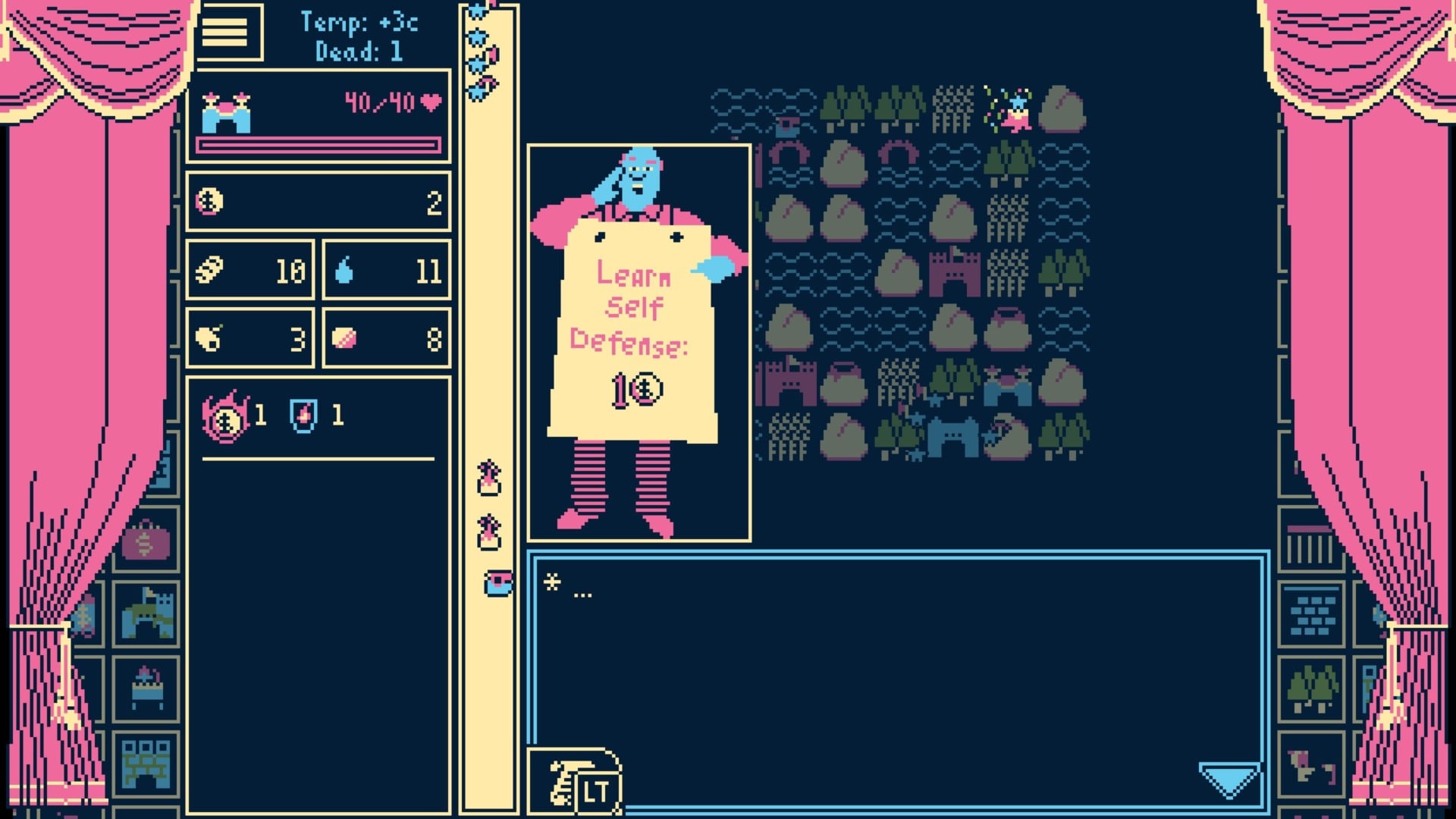
Creator AP Thomson isn't apologizing for the confusion. In a move that has sent ripples through the indie community, Thomson confirmed that the sense of a profound Anticlimactic Conclusion was "very much deliberate." While mainstream titles obsess over player gratification, this project takes a sharp turn into the experimental. The goal wasn't to satisfy your lizard brain's need for a "Mission Complete" banner; it was to leave you sitting with the weight of what you couldn't fix.
The Developer Intent and Player Interpretation here are at total loggerheads. Thomson actually advises against the "100-percent playthrough" mentality that defines modern gaming. He suggests that the most rewarding experiences in Titanium Court come from what you choose to leave behind. By leaving large portions of the world unexplored, you allow your own imagination to fill the gaps, creating a more personal narrative than any scripted cutscene could provide. It’s a bold gamble that prioritizes the "vibe" over the checklist.
Unfinished Business Within the Court
The sheer volume of Ambiguous Endings and Unfinished Business is what really stings. You can collect every key and still find yourself walking out of the court alone, having done nothing more than distract a minor antagonist with a stray faerie. The curse remains. The diregoats are still separated. The big, sweeping changes you expected never materialize. It feels like a Cute Clich that was subverted so hard it left a mark.
This lack of "meaningful" progress is the point. The game’s final spell is designed to "change the player" rather than the world state. Instead of the environment shifting to reflect your heroics, the game asks you to reflect on why you needed that validation in the first place. It’s a meta-commentary on the nature of digital completionism. You aren't the savior of this world; you're just a visitor who eventually has to leave, regardless of how many loose ends are still dangling.
Managing the State of the Game Post-Completion
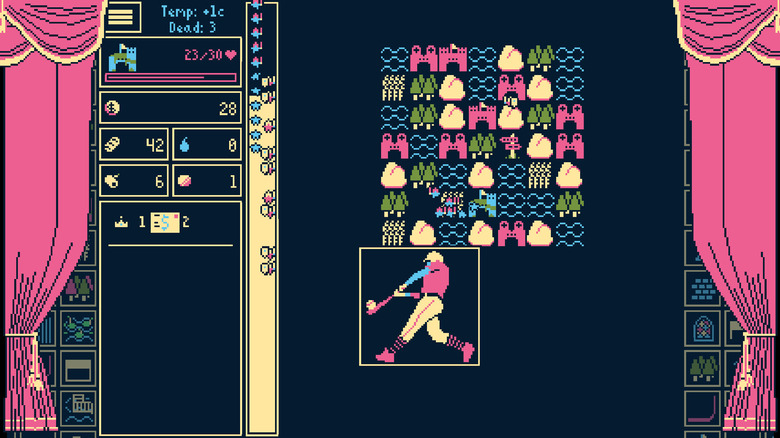
Once the credits (or the lack thereof) roll, the State of the Game Post-Completion becomes a haunting experience. There is no New Game Plus that lets you steamroll your enemies. Instead, you are left in a narrative limbo. You can re-watch old cutscenes or engage with minor mini-games, but the world itself has effectively shut you out. There are no more achievements to pop, and no more secrets to uncover that will change the fundamental outcome.
Adding to this sense of decay is the "stale" condition. This is a brilliant, if heartbreaking, mechanic where faeries eventually lose their unique dialogue if you interact with them too much. It simulates the exhaustion of a relationship. The more you poke at the world of Titanium Court, the more it pushes back with silence. If you’re looking for deeper lore or want to discuss the "What ifs" of the diregoat reunion, you’ll have to head to the Fellow Traveler Discord, because the game itself has nothing more to say to you.
The industry is currently watching to see if this "intentional dissatisfaction" model catches on with other avant-garde developers. We expect a surge in "anti-completionist" discourse as more players reach the end of the court and realize the joke is on them. Ultimately, the legacy of this title will depend on whether players embrace the mystery or reject the lack of closure as a bridge too far.
Frequently Asked Questions
Is there a secret "good" ending to Titanium Court?
No, the developer has confirmed that the feeling of dissatisfaction is the intended emotional outcome for all players. There is no hidden sequence that resolves all the narrative threads.
What happens when a character becomes "stale"?
Characters lose their unique dialogue and stop providing new information after a certain number of interactions. This mechanic represents the narrative exhaustion of the game world.
Should I try to 100% complete the game?
The creator specifically advises against it, suggesting that leaving mysteries unsolved provides a better experience. The game is designed to be felt and imagined rather than "solved."
Confirmed details first, useful context second. This is the quickest path to the source trail and the next pages worth opening.
Source date: May 5, 2026