Most retail simulators treat you like a mindless drone, but Repeater Records wants to know your soul. Digging through dusty crates for a specific B-side is the most rewarding thing I’ve done in a game all year. This indie gem wax heads is a narrative powerhouse that trades the clinical efficiency of most sims for the sweat, static, and soul of a local record shop.
What this means for players: Wax Heads is a masterclass in environmental storytelling that turns a simple retail job into a high-stakes emotional puzzle. It challenges the notion that "cozy" games have to be soft, offering a gritty, "cosy-punk" alternative that feels lived-in and authentic.
Repeater Records Redefines Retail Therapy
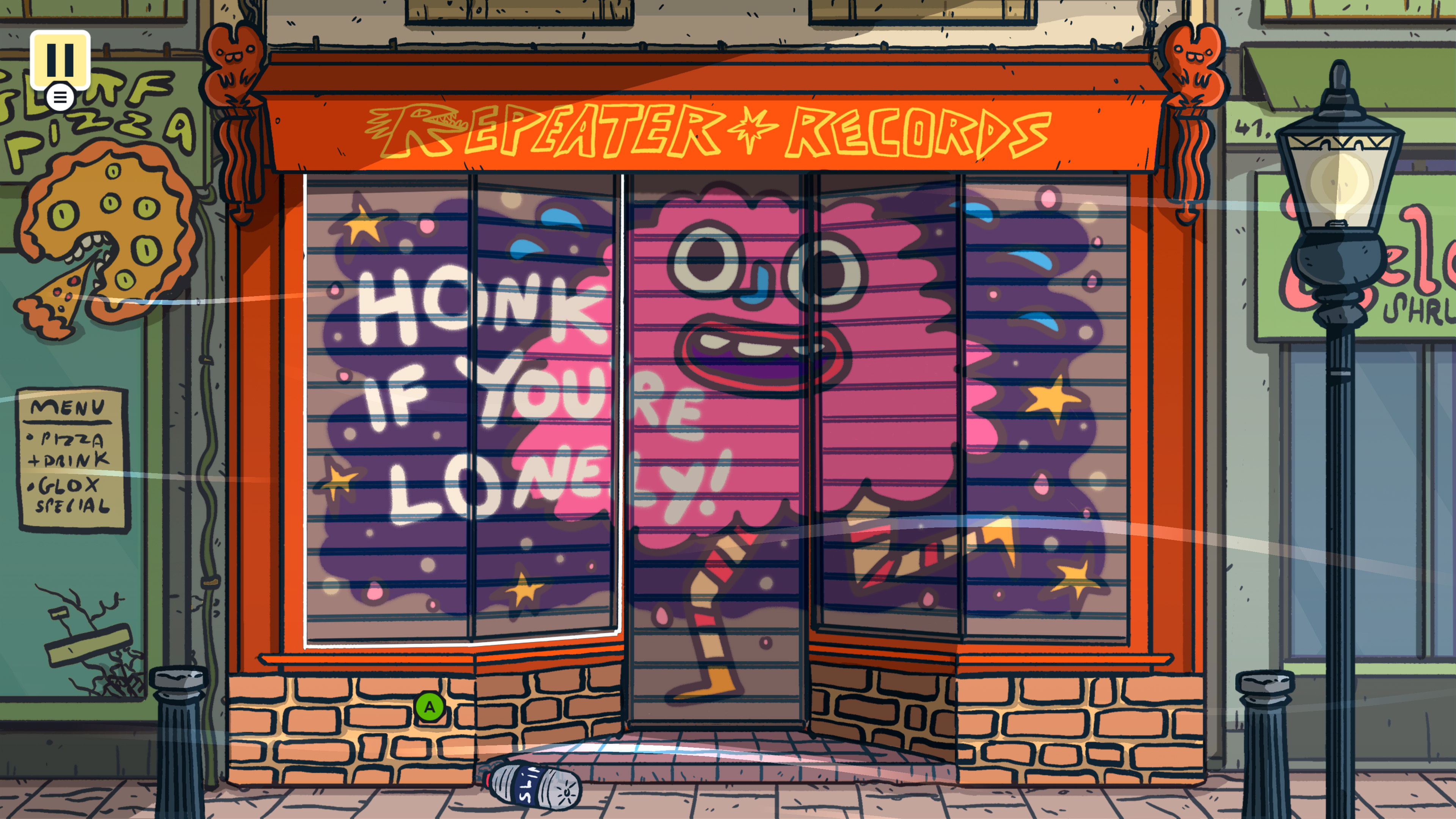
The gameplay loop is deceptively simple: listen to a customer's vague description, browse the bins, and find the right vinyl. But the player experience is far deeper than a hidden object game. You aren't just matching tags; you’re interpreting moods. One customer might want something "that feels like a rainy Tuesday in London," forcing you to rely on your knowledge of the store's stock and the in-game jukebox. The punk vibes review community would call this "vibe-checking," and it’s surprisingly tense when you’re trying to satisfy a regular who knows more about obscure 70s garage rock than you do.
The magic happens in the margins. Between customers, you aren't just staring at a clock. You are interacting with eccentric coworkers, each with their own baggage and musical tastes. These conversations feel organic, building a world where the record store is the center of the universe. The game captures that specific feeling of being a teenager in a subculture—the elitism, the passion, and the desperate need to find "your" sound. It’s a rare feat to make a retail simulation feel like an emotional journey rather than a chore list.
Patattie Games Masters Hand-Drawn Grime

Developing a game with just two people is a Herculean task, but Patattie Games has managed to inject more personality into a single shelf than most AAA titles have in their entire open worlds. With over 80 unique album covers, the visual fidelity is staggering. Every piece of art feels authentic to the genre it represents, from the jagged, neon fonts of a synth-wave EP to the washed-out photography of a shoegaze classic. This wax heads review wouldn't be complete without mentioning how the art direction anchors the narrative. You feel the history of the shop in the peeling posters and the flickering lights.
The "cosy-punk" aesthetic is a stroke of genius. It’s dirty, it’s cluttered, and it’s absolutely beautiful. The character designs are equally impressive, featuring a cast of "wax heads" that look like they just stepped out of a underground basement show. This visual consistency makes the world feel tangible. When you look at this indie gem wax heads, you realize that the art isn't just window dressing; it's the primary way the game communicates its themes of rebellion and community. The grit is the point.
Phonogram Empowers The Digital Digging

To succeed at Repeater Records, you have to use Phonogram, the in-game social media platform, and read online music reviews. This adds a layer of modern realism to the vintage setting. Finding the best build for your mental database—balancing customer chat, jukebox previews, and Phonogram research—is essential for keeping the shop's reputation high. The game rewards curiosity; the more you interact with your fellow employees and the digital world, the more the world of Repeater Records opens up. It’s a brilliant way to simulate the way we actually consume and discuss music in the real world.
The integration of Phonogram also serves as a clever hint system. If you’re stuck on a customer's request, the "feed" often contains subtle clues about what’s trending or what a specific artist’s "vibe" is. This prevents the gameplay from ever feeling frustrating. Instead of clicking blindly, you feel like a detective of sound. This digital digging is where the player experience truly peaks, as you piece together the musical landscape of the game's fictional city. It’s immersive, smart, and incredibly addictive.
Nintendo Switch Performance Delivers Smooth Vibes

On the technical front, the game shines on both Steam and the Nintendo Switch. While the hand-drawn art looks crisp on a monitor, there is something uniquely tactile about playing this on a handheld. The performance is rock-solid, with zero stuttering during transitions between the store floor and the Phonogram interface. For those looking for a punk vibes review of the hardware experience, the Switch version feels like the definitive way to play. It allows you to "crate-dig" while curled up on the couch, mirroring the cozy nature of the genre despite the punk aesthetics.
The touch controls on the Switch are particularly intuitive, making the act of flipping through records feel natural. Whether you are playing the free demo on Steam or the full release on console, the stability is impressive for a two-person team. There are no long loading screens to break the immersion, which is vital for a game that relies so heavily on its atmosphere. It’s clear that Patattie Games prioritized a smooth, distraction-free experience so that players could lose themselves in the music and the dirt of Repeater Records.
The success of this title suggests a growing appetite for narrative sims that aren't afraid to be a little rough around the edges. Expect to see more "cosy-punk" titles emerging as developers realize that players want comfort and edge in equal measure. Patattie Games has set a high bar that will likely influence the indie scene for years to face.
Frequently Asked Questions
Is the indie gem wax heads worth the price?
Yes, the depth of the narrative and the unique hand-drawn art provide significant value for fans of narrative simulations. The sheer amount of unique album art and dialogue makes it a standout in its price bracket.
Does Wax Heads run well on Steam Deck?
The game is highly optimized for handheld play and runs perfectly on the Steam Deck. Its 2D art style ensures a stable frame rate and excellent battery life during long play sessions.
What is the best build for completing customer requests?
The best build for success involves prioritizing the jukebox to learn the "sound" of each genre while cross-referencing Phonogram for artist lore. Mastering the in-game social media feed is the fastest way to solve the trickiest customer puzzles.
Confirmed details first, useful context second. This is the quickest path to the source trail and the next pages worth opening.
Source date: May 5, 2026