Imagine the Hawkins kids stripped of their safety nets, facing a botanical nightmare without Joyce Byers there to pick up the pieces. Stranger Things: Tales from '85 has officially landed on Netflix, and it transforms the cozy nostalgia of the mid-80s into a CGI fever dream that feels more like a high-stakes survival horror game than a traditional spin-off. It is a bold, experimental bridge between the second and third seasons that asks a heavy question: can the kids survive when the adults become the obstacle?
What this means for players: This series functions as a narrative expansion pack, offering the kind of deep-lore world-building and monster variety usually reserved for top-tier RPGs or episodic adventure titles.
Mike Leads the Hawkins Investigators Club
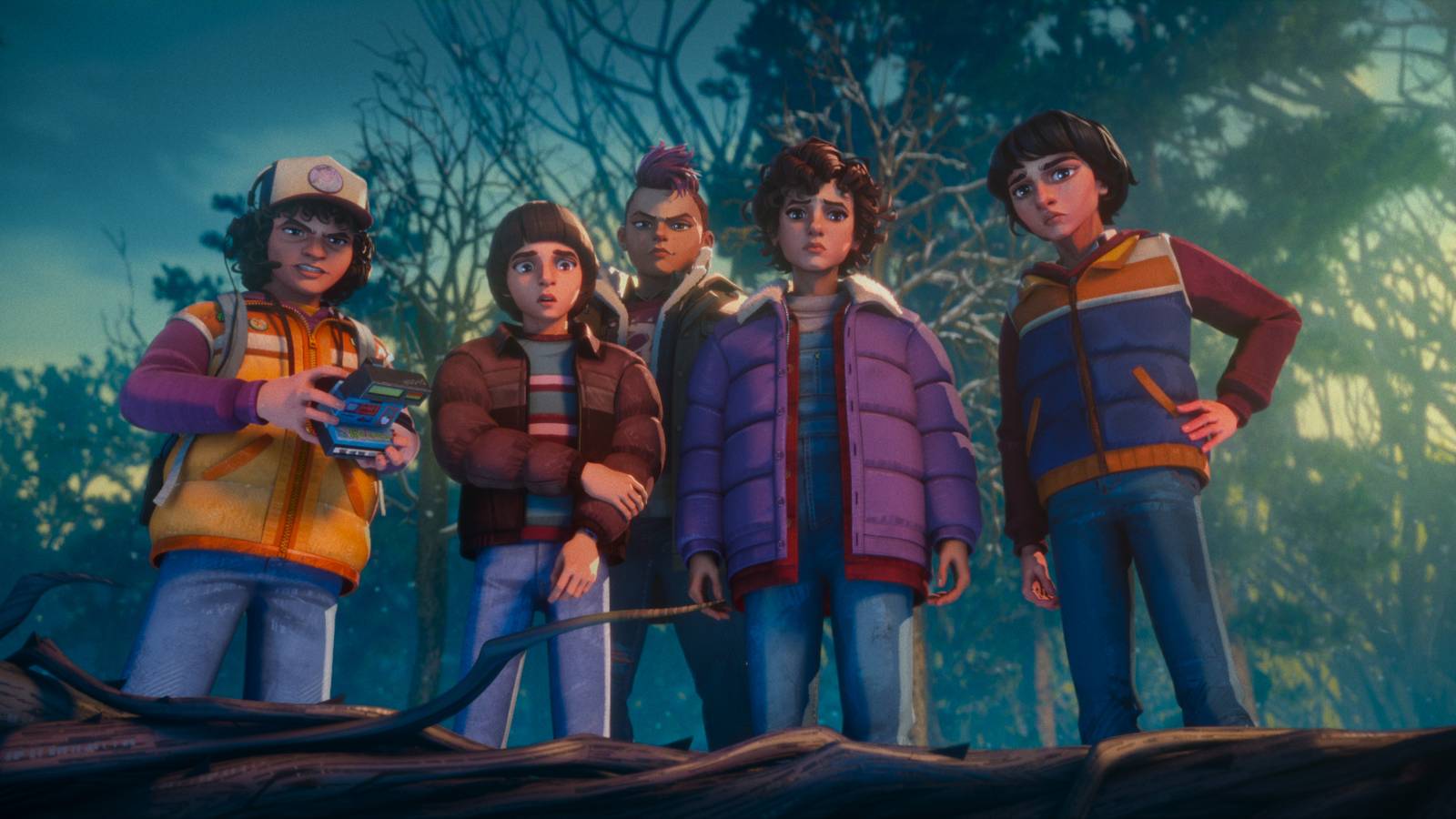
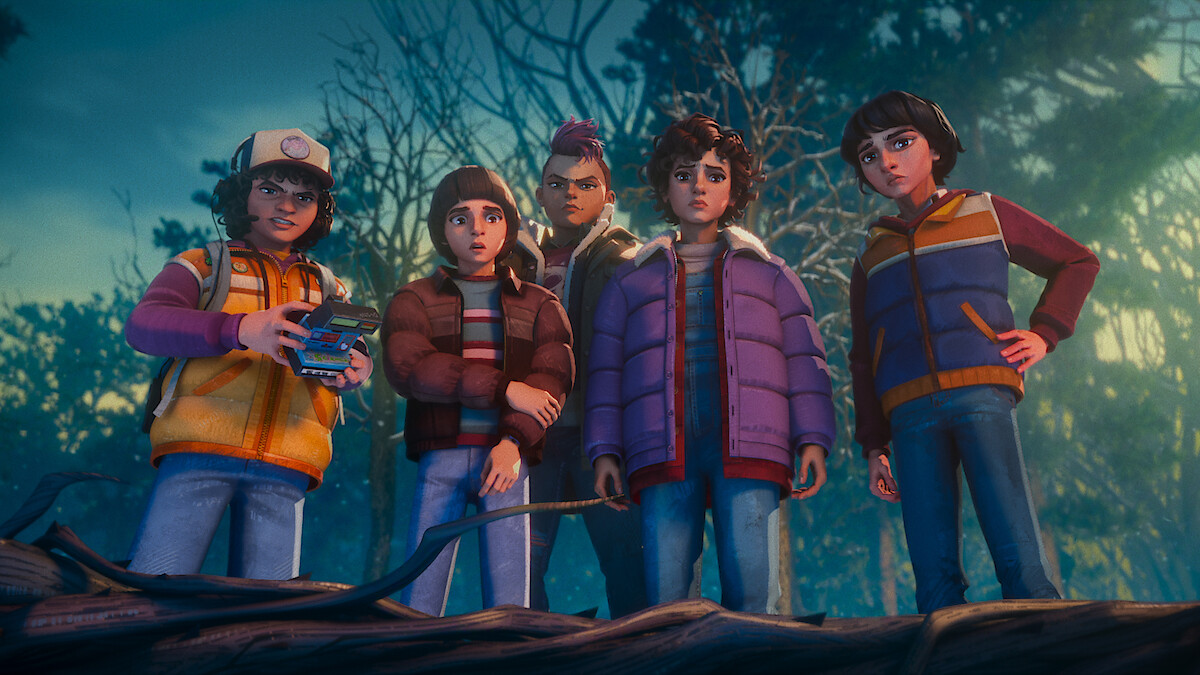
The core of this 10-episode run centers on the formation of the "Hawkins Investigators Club," or Hi-C for short. It is a pitch-perfect nod to the Ghostbusters obsession that defined 1984, but with a lethal twist. Mike, Will, Lucas, Dustin, Eleven, and Max aren't just playing dress-up this time; they are operating as a tactical unit. For fans of team-based tactics games, seeing the synergy between Dustin’s gadgets and Eleven’s raw power provides a satisfying evolution of their group dynamic. The stakes feel higher because the safety of the Byers household is gone, replaced by the cold, damp reality of the Hawkins woods.
The series excels at capturing the "detective" loop found in the best investigative games. Each episode feels like a level where the Hi-C must gather clues about the spreading corruption. By focusing exclusively on the younger cast, the show manages to recapture the vulnerability of the first season. You aren't watching superheroes; you are watching kids who are arguably in over their heads, using walkie-talkies and slingshots against things that shouldn't exist. This focus on the "junior" perspective makes every encounter with the paranormal feel earned and terrifyingly intimate.
Eric Robles Crafts a Darker Hawkins

Developed by showrunner Eric Robles, the visual identity of Tales from '85 is a departure that will likely spark intense debate among the community. The animation utilizes a darkly-rendered CGI style that moves away from the vibrant, neon-soaked aesthetic of Season 3. The human characters are described as "strangely doll-like," a stylistic choice that leans into the uncanny valley. This isn't a mistake; it creates a persistent sense of unease that mirrors the psychological horror elements of the plot. It feels reminiscent of the stylized character designs in games like Little Nightmares, where the world feels too big and too dangerous for the protagonists.
The Duffer Brothers, serving as executive producers, have clearly given Robles the freedom to push the boundaries of the Upside Down's influence. The environment itself is a character here. The CGI allows for more fluid, impossible movements from the monsters that a live-action budget might struggle to maintain. This visual shift ensures that Tales from '85 stands alone as its own entity rather than just a deleted scene from the main show. The dark rendering makes the shadows of Hawkins feel deeper, hiding threats that are far more organic and unsettling than the mechanical or fleshy horrors we have seen previously.
Eleven Battles the Parasitic Plant Horde

Forget the Demogorgon for a moment. The primary threat in this timeline is a horde of parasitic plant monsters that behave with a hive-mind intelligence. These creatures represent a different kind of horror—one that is invasive, silent, and rapidly evolving. Eleven and the crew find themselves in a race against time as the greenery of Indiana begins to turn predatory. For players who enjoy the "nature gone wrong" tropes of games like The Last of Us, these plant monsters provide a fresh mechanical hurdle for the kids to overcome. They don't just bite; they infect and terraform.
The action sequences are choreographed with a level of precision that feels inspired by modern action-platformers. Eleven’s powers are used sparingly, emphasizing the physical ingenuity of the rest of the club. When she does unleash her abilities, the dark CGI highlights the toll it takes on her, making the "doll-like" features crack under the strain. The inclusion of dedicated episodes for Steve and Nancy adds a layer of veteran expertise to the mix, showing how the older teens handle the botanical apocalypse differently than the tactical, game-inspired approach of the Hi-C members.
Brett Gipson Portrays an Adversarial Hopper
Perhaps the most controversial change in Tales from '85 is the role of Jim Hopper. Voiced by Brett Gipson, this version of Hopper isn't the protective father figure we’ve grown to love. Instead, he occupies an adversarial role, likely reflecting his state of mind during the friction-heavy period between seasons. Without Joyce Byers—who is completely absent from the series—Hopper lacks his moral compass. He acts as a foil to the kids’ investigations, representing the "adult world" that refuses to see the truth until it’s too late. This conflict adds a layer of domestic tension that makes the paranormal threats feel even more isolating.
Brooklyn Davey Norstedt takes over the role of Eleven, providing a performance that captures the character's transition from a lab experiment to a teenager trying to find her own voice. The absence of Jonathan Byers, relegated to a brief cameo, further emphasizes that this is a story about the core group finding their independence. By removing the traditional safety nets, Tales from '85 forces the kids to grow up faster. It’s a narrative choice that mirrors the "hard mode" of a sequel, where the players have the tools but the environment is no longer pulling any punches.
The future of the Stranger Things expanded universe likely depends on the reception of this specific CGI aesthetic and the darker, kid-centric storytelling. If Tales from '85 succeeds, expect Netflix to greenlight more "missing year" projects that fill the gaps in the Hawkins timeline with increasingly experimental animation styles. The franchise is successfully pivoting from a single linear story into a multi-media ecosystem that can survive even when its biggest stars are off-screen.
Frequently Asked Questions
Is Tales from '85 canon to the main Stranger Things show?
Yes, the series is executive produced by the Duffer Brothers and is set officially between the events of Season 2 and Season 3.
Which platforms can I watch the new Stranger Things series on?
The series is a Netflix exclusive and consists of 10 episodes available for streaming globally.
Does the original cast return to voice their characters?
No, the series features a new voice cast, including Brooklyn Davey Norstedt as Eleven and Brett Gipson as Hopper.
Confirmed details first, useful context second. This is the quickest path to the source trail and the next pages worth opening.
Source date: April 23, 2026