Forget what you thought you knew about Valve's mission. For years, many in the community have seen the company as the ultimate champion of PC Gaming, a digital fortress defending the platform's open ecosystem. But a revelation from none other than Gabe Newell himself in 2011 casts a starkly different light on Valve's priorities, challenging everything we assumed about their dedication to the PC.
What this means for players: Valve's actions, from Steam to the Steam Deck, might not be about platform promotion, but something much broader, impacting how future games are developed and delivered to you.
Gabe Newell's 2011 Declaration

Back in 2011, a statement from Valve co-founder Gabe Newell stirred the waters, though its full implications are only now being widely re-evaluated. Newell clearly articulated that Valve's core responsibility wasn't to promote the PC platform itself. Instead, he stated their allegiance lay squarely with gamers and game developers. This isn't a subtle distinction; it's a fundamental shift in perspective for a company so deeply intertwined with the digital storefront that defines so much of the PC experience.
This declaration forms The Core of the Debate surrounding Valve's long-term strategy. If their focus isn't on the PC as a platform, what exactly are they building towards? Is Steam merely a means to an end, a convenient distribution channel, rather than a testament to PC's superiority?
Steam's Dominance vs. Platform Neutrality
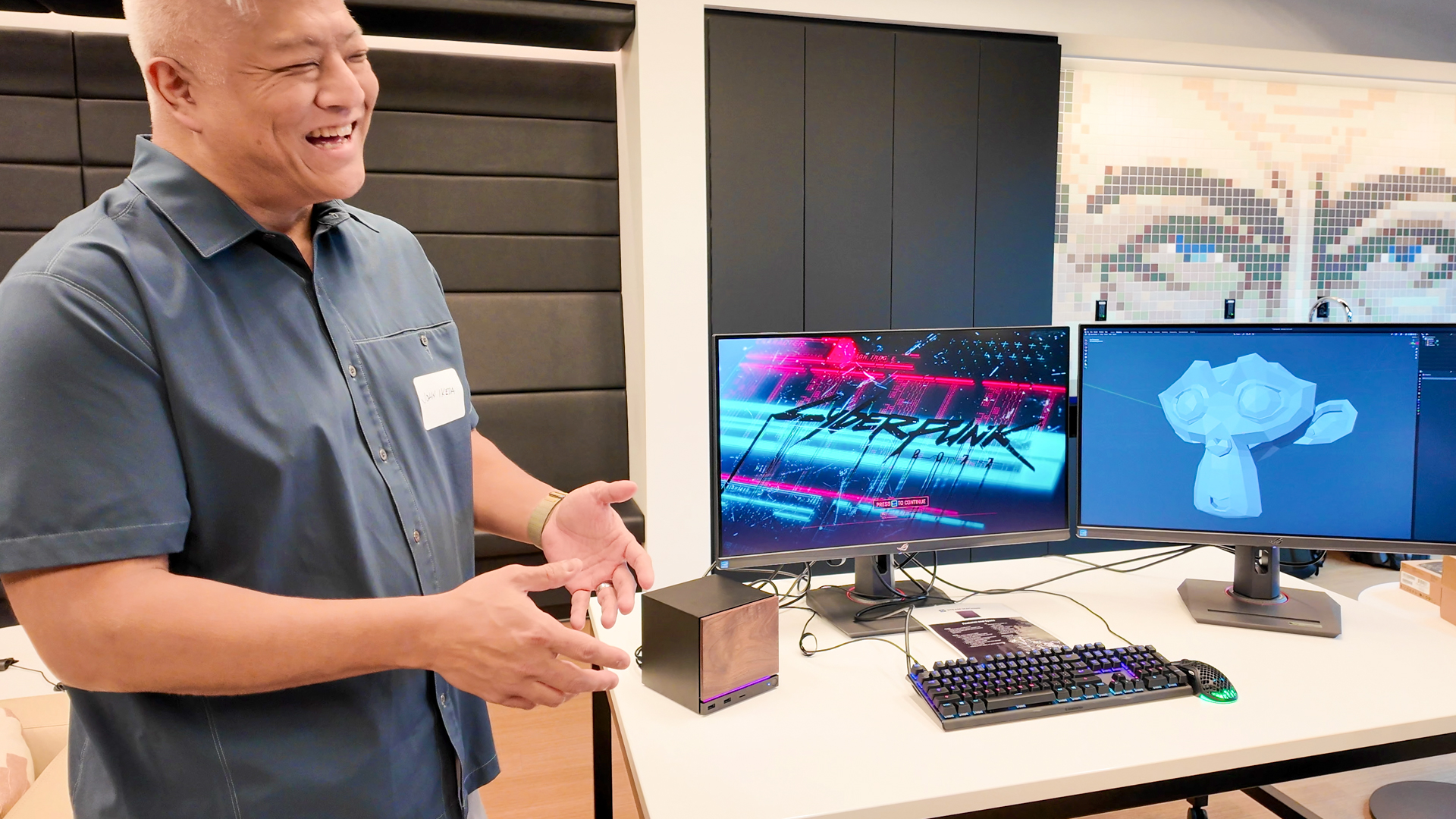
It's easy to look at Steam's overwhelming success and assume Valve is intrinsically tied to the prosperity of traditional PC Gaming. Steam has revolutionized how we buy, play, and even discover games, becoming the undisputed leader in digital distribution. Yet, Newell's 2011 comments suggest that Steam's existence isn't about bolstering the 'PC' itself, but about delivering the best possible experience for developers and players, regardless of the underlying hardware.
This philosophy has manifested in unexpected ways. Consider the Steam Deck, Valve's handheld PC. While it runs PC games and Linux-based SteamOS, it's often perceived as a console-like experience. Is the Steam Deck a promotion of the PC platform, or an innovative way to get games into more players' hands, embodying that 'gamers and developers first' mantra? This nuance is vital for understanding Valve's Stance on PC Gaming, moving beyond simple assumptions.
The Core of the Debate Revisited

The original context of Newell's 2011 remark was a broader discussion about open platforms and Valve's role in the evolving digital landscape. He emphasized that Valve would support any platform that offered the best experience for content creators and consumers. This open-minded approach, while not explicitly anti-PC, certainly isn't pro-PC in the exclusive sense many fans imagined.
For years, the PC ecosystem has thrived on an open standard, allowing for endless customization and hardware choice. But as Valve invests in initiatives like Proton, which allows Windows games to run on Linux, and develops its own hardware, it raises questions. Is Valve subtly guiding the future of PC Gaming towards a more curated, Steam-centric experience, even if they don't explicitly promote the 'PC' itself?
This isn't about Valve abandoning PC players. Far from it. It's about their strategic independence. They're not bound to the traditional desktop tower. Their goal is to ensure games are accessible and profitable, whether that's on a high-end desktop, a gaming laptop, or a handheld device. This historical perspective on Valve's Stance on PC Gaming is crucial for understanding current and future moves.
The community reaction to this philosophy has always been mixed. Some see it as visionary, ensuring Valve remains agile and player-focused. Others worry it dilutes the identity of PC gaming, pushing it towards a more consolidated, less open future. The truth, as always, is likely somewhere in the middle, a complex interplay of business strategy and genuine passion for gaming.
Valve's long-standing strategy, as revealed by Gabe Newell, prioritizes player and developer experience over platform allegiance. This means their future innovations will continue to push boundaries, potentially blurring the lines between traditional PC and console gaming. Expect Valve to continue investing in cross-platform compatibility and new hardware form factors to maximize game accessibility. Their moves will undoubtedly shape the broader gaming industry for years to come.
Frequently Asked Questions

Does Valve still care about PC Gaming?
While Gabe Newell stated Valve's responsibility isn't to promote the PC platform itself, their actions through Steam and Proton undeniably benefit PC gamers and the ecosystem. Their focus is on delivering games to players and supporting developers, which often aligns with the PC.
Is the Steam Deck a promotion of PC Gaming?
The Steam Deck, while a portable PC, serves Valve's stated goal of making games accessible to more players, regardless of the traditional PC setup. It expands the reach of PC titles rather than exclusively promoting the desktop PC form factor, making it a "Worth It" option for portable play.
What does Valve's historical stance mean for future game releases?
Valve's platform-agnostic approach implies they will continue to support diverse ways to play games, potentially fostering more cross-platform compatibility and cloud gaming initiatives. Developers can expect Valve to prioritize tools that reach the widest possible audience.
Confirmed details first, useful context second. This is the quickest path to the source trail and the next pages worth opening.
Source date: April 28, 2026