The Confirmed Shift to Collaborative Play
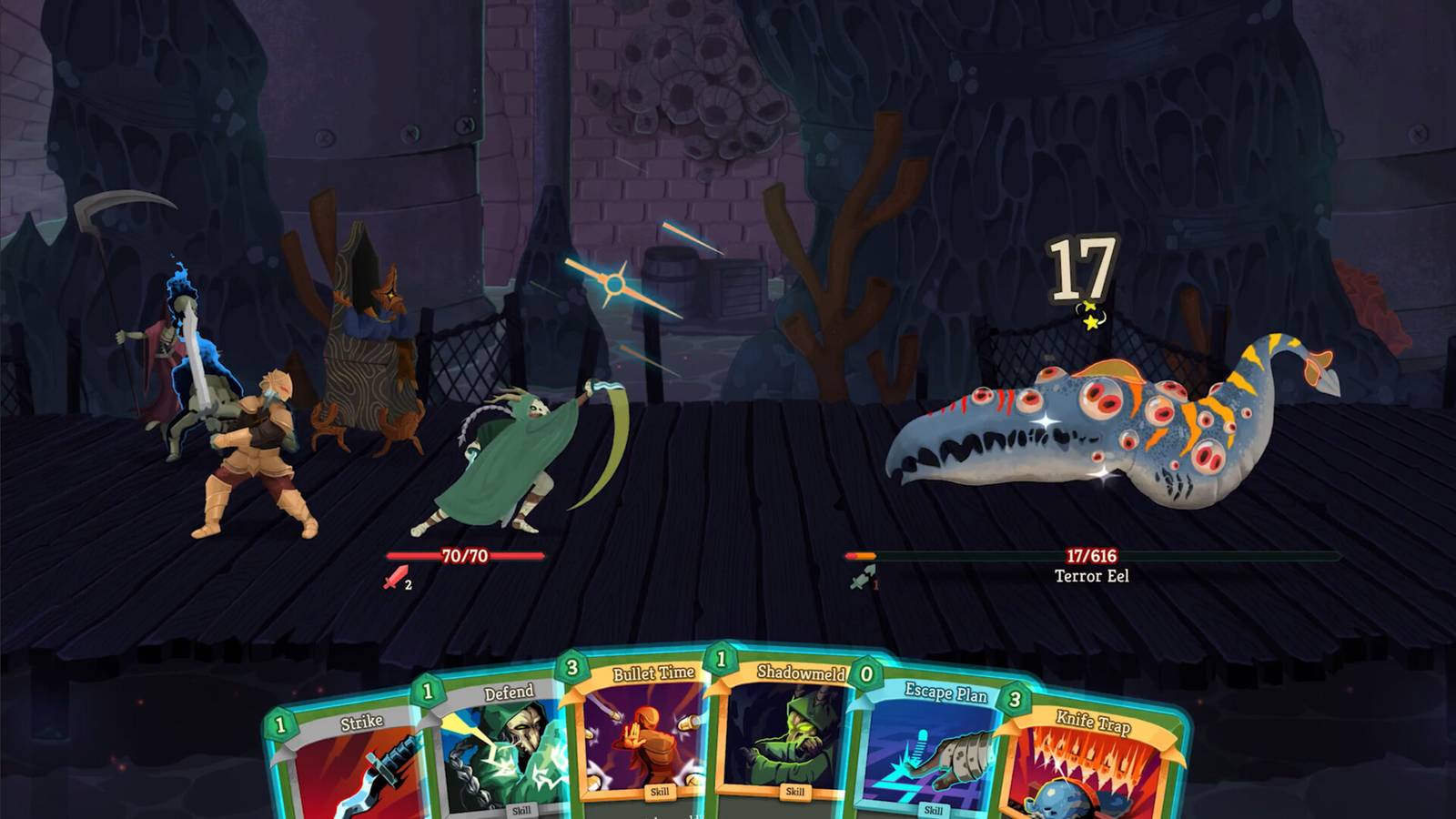
The announcement of robust multiplayer functionality in Slay the Spire 2 represents a pivotal moment for the roguelike deckbuilder genre. For years, the appeal of the original *Slay the Spire* lay in its intensely solitary nature—a deeply personal journey of optimization, card synergy, and sheer individual grit. Players were hooked by the promise of perfecting a build, running endless solo gauntlets, and chasing the elusive perfect run. However, the early access release of the sequel has introduced a major, highly anticipated change: the ability for players to engage in co-op play with friends. This feature is not merely an add-on; it fundamentally recontextualizes the game’s primary draw, shifting the focus from the individual player’s mastery to the group’s collective synergy.
The source material highlights that while the game retains all the core, beloved elements of the original—the roguelike structure, the deckbuilding mechanics, the new classes, and the monster encounters—the biggest draw for returning players is now the social element. This transition is particularly noteworthy because it successfully bridges the gap between the digital experience and the physical tabletop adaptation, *Slay the Spire: The Board Game*. The board game, which supports up to four players working together, has long been praised for its cooperative depth. By replicating that feeling of shared challenge and complementary character strengths within the digital space, Slay the Spire 2 has effectively broadened its appeal beyond the hardcore solo completionist.
This shift is significant because it addresses a common limitation in highly competitive, solo-focused games: the potential for burnout or isolation. The original formula, while brilliant, could sometimes feel like a relentless, solitary grind. By introducing co-op, the game transforms from a purely mechanical puzzle into a shared narrative experience. The core gameplay loop—the strategic card draw, the resource management, the tactical combat—remains intact, but the motivation for booting up the game changes. As one observer noted, the decision to play is no longer dictated by the desire to improve a personal high score or unlock a new relic; it is dictated by whether a similarly obsessed friend is online. This subtle but profound change in player motivation is the most critical takeaway from the current development status.
Where the Pressure Builds on Design
The successful integration of multiplayer functionality places significant pressure on the developers to maintain the integrity and depth of the single-player experience while simultaneously making the co-op mode feel genuinely collaborative and balanced. The challenge is immense: how do you allow four distinct characters, each with unique strengths and build paths, to interact without one player’s optimal build completely overshadowing the others, or conversely, without the co-op element feeling like a forced distraction from the core deckbuilding puzzle?
The evidence suggests that the developers are keenly aware of this balance issue. The comparison to the board game, where players must work together to take on challenges, implies a system of complementary roles. In a traditional roguelike, the goal is often to optimize one character until they are near-perfect. In a co-op setting, optimization must be distributed. This requires a sophisticated system of synergy, where the relative strengths of the heroes are showcased by working in concert. The game must reward the *group* effort, not just the most powerful individual build.
Furthermore, the pressure extends to the game's longevity and community engagement. The original *Slay the Spire* thrived on the community's ability to theorize, optimize, and share meta-builds. The co-op mode introduces a new layer of community interaction: the shared planning session. This requires the game to provide enough emergent gameplay—situations that arise from player interaction rather than just pre-scripted events—to keep the group engaged over multiple sessions. The developers must ensure that the co-op mode doesn't feel like a simplified, watered-down version of the solo experience, but rather a rich, equally challenging variant. The success of this feature hinges on its ability to feel organic, not bolted on.
The Importance of Synergy Over Power Creep
The most critical design element under pressure is the implementation of synergy. If the co-op mode simply allows four players to bring their strongest, most powerful solo builds, the experience risks becoming a chaotic power fantasy rather than a strategic team effort. The developers must therefore focus on mechanics that force players to rely on each other. This could involve:
- Shared resource pools that require collective management.
- Enemies or encounters that require diverse damage types or tactical approaches.
- Character abilities that are explicitly designed to enhance a teammate's weakness.
The successful execution of this system will determine whether Slay the Spire 2 is viewed as a brilliant expansion or a compromised version of its original, beloved formula. The industry is watching to see if the depth of the solo experience can coexist seamlessly with the fun of shared play.
What This Means for Players
For the player base, the introduction of multiplayer functionality fundamentally changes the investment proposition of the game. Previously, the investment was primarily in time—the time spent optimizing, grinding, and mastering the mechanics. Now, the investment is also in social capital—the time spent coordinating with friends and building a shared gaming routine. This shift expands the potential audience dramatically, drawing in players who might have been intimidated by the perceived difficulty or solitary nature of the original game.
This means that player expectations are now twofold. Players expect the deep, satisfying mechanical complexity of the original, but they also expect the reliability and fun of a modern co-op experience. The game must deliver both. The co-op mode is not just a novelty; it is positioned as a core pillar of the sequel's identity, suggesting that the developers view the shared experience as equally important to the individual mastery.
The most important unresolved signal for players remains the balance between these two pillars. While the Polygon report confirms the feature's existence and its positive reception, it does not detail the specific rules governing co-op difficulty scaling or the exact mechanics of synergy. Players will be keenly awaiting concrete examples of how a full party of four interacts with the game's toughest encounters. Will the difficulty scale linearly, or will it introduce unique, group-based challenges that require coordinated effort?
Ultimately, the multiplayer mode transforms *Slay the Spire 2* from a highly polished, single-player masterpiece into a potential social gaming hub. This expansion of scope solidifies its position not just as a great roguelike deckbuilder, but as a highly adaptable, enduring co-op title capable of sustaining community interest long after the initial hype cycle fades. The future of the game, therefore, rests on its ability to make the act of playing with friends feel as rewarding and strategically deep as the act of mastering the game alone.
Search intent focus: Slay the Spire 2 is best as a co-op game Slay the Spire II Sign in to your Polygon.com acc
Confirmed details first, useful context second. This is the quickest path to the source trail and the next pages worth opening.
Source date: April 12, 2026