Forget everything you thought you knew about the punishing loops of Atropos. Housemarque is officially moving on from Selene’s nightmare, but their next project is far more ambitious—and significantly more aggressive.
What this means for players: Saros The Next Evolution of Bullet-Hell Action isn't just a sequel in spirit; it's a fundamental shift from the "start from scratch" frustration of traditional rogue-likes to a more rewarding, progression-heavy rogue-lite structure. This isn't just about surviving a hostile planet anymore; it's about conquering it through a massive new skill tree and persistent upgrades that stay with you long after the screen fades to black.
The action shifts to Carcosa, a world that makes previous alien landscapes look like a vacation spot. While many fans expected a direct Returnal 2, Saros takes the core Bullet Hell Action and ports it into a framework that rewards long-term investment. You aren't just running and dying; you are building a legend. By shifting to a rogue-lite model, Housemarque allows for permanent character improvements between runs, meaning that every death on the PlayStation 5 hardware feels like an investment rather than a total loss of progress.
Carcosa Reinvents The Rogue-Lite Loop
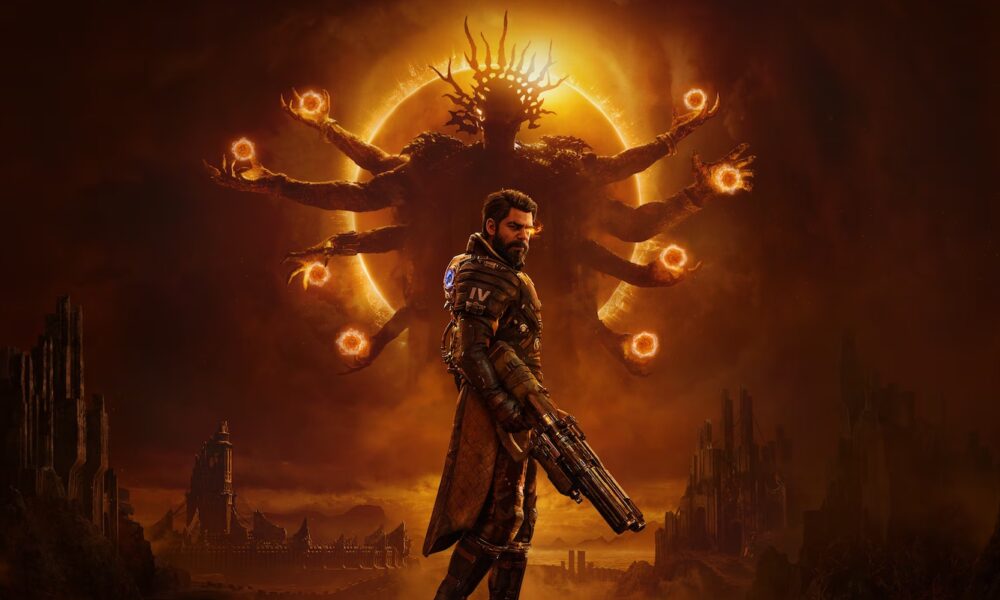
Carcosa is not a static environment. It is a living, breathing threat that reacts to your presence with increasingly complex patterns of neon death. In Saros, the sheer volume of projectiles on screen at once is staggering, pushing the PlayStation 5 to its absolute limits. This is where the game earns its title as Saros The Next Evolution of Bullet-Hell Action, forcing players to navigate tight corridors of energy while managing their own offensive cooldowns. The transition to a rogue-lite structure means you can specifically spec into "Energy Resistance" or "Projectile Speed," allowing you to tailor the protagonist to your specific playstyle.
The game’s initial plot focuses on the aftermath of multiple failed expeditions, leaving the player to piece together why Carcosa refuses to let anyone leave. As you navigate the first two biomes, the story remains atmospheric and haunting, but Housemarque has promised a much more direct narrative approach as players reach the final third of the campaign. This shift ensures that the mystery of the planet remains the driving force, but the payoff is more concrete than the ambiguous endings of the past.
Solar Eclipses Change Carcosa Forever
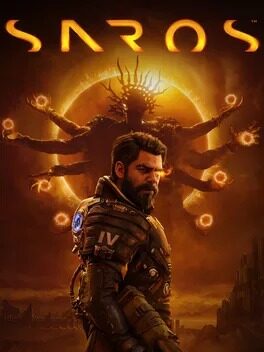
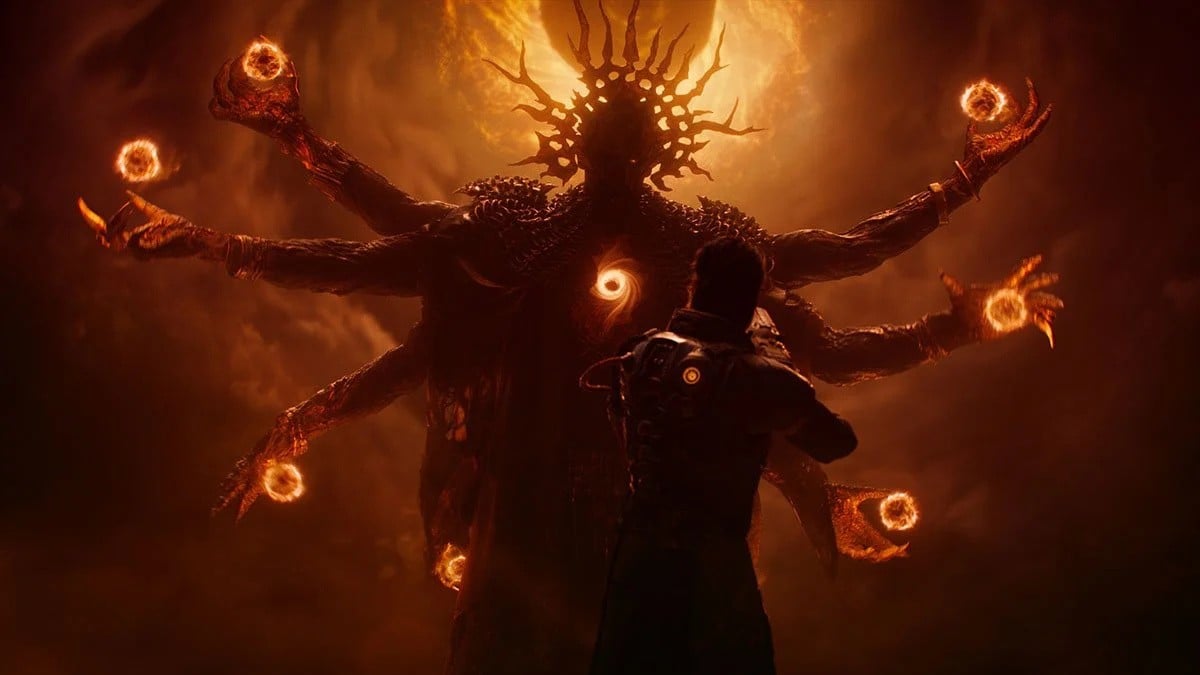
The most striking mechanic in Saros involves the celestial bodies hanging over the planet. The sun and its frequent eclipses aren't just visual flair; they are active gameplay modifiers that dictate the flow of combat. During an eclipse, enemy aggression spikes, and the volume of projectiles becomes a literal screen-filling nightmare. This is Saros The Next Evolution of Bullet mechanics in its purest form, where the environment itself dictates your survival chances. Interestingly, players can actually trigger these events themselves, choosing to face a heightened challenge in exchange for high-tier loot and faster XP gains.
This "risk versus reward" system is enhanced by the game's verticality. While competitors on the PS5 PS4 Xbox One platforms often stick to flat planes for bullet-hell combat, Saros demands full 3D movement. You will be dashing through rings of fire and jumping over waves of kinetic energy, all while the sky turns dark and the enemies grow stronger. It is a frantic, beautiful dance of survival that feels significantly more polished than any other third-person shooter currently on the market.
Housemarque Redefines The Skill Tree
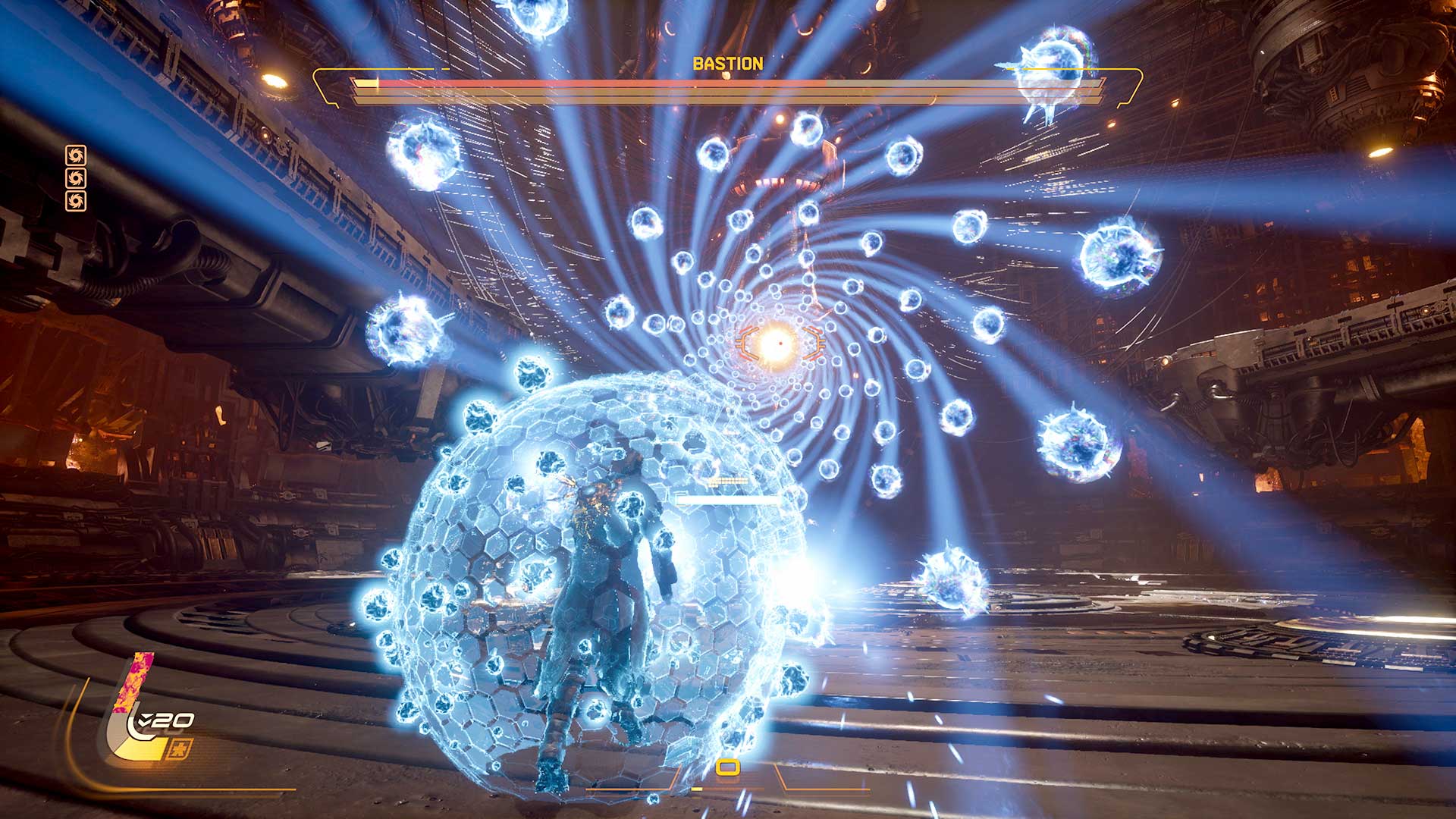
To handle this increased lethality, Saros introduces a deep, branching skill tree system. Unlike the randomized weapon traits seen in the Returnal 2 rumors, you can now permanently enhance your resistance, energy gauge, and XP gains between every run. This adds a layer of strategy that was missing from previous Housemarque titles. If you’re struggling with a particular boss, you can spend your earned resources to boost your defense or increase the power of your energy-based weapons. This turns the game into a satisfying loop of progression where your skill as a player is constantly augmented by the power of your build.
Furthermore, the developers have addressed the "grind" factor that often plagues the genre. A new portal feature allows veterans to bypass early biomes entirely, teleporting them directly into advanced areas once they have been cleared. This ensures that the momentum never slows down, allowing you to jump straight into the high-octane Bullet Hell Action without repeating the tutorial sections. It is a player-first philosophy that respects your time while still demanding your absolute best performance.
Saros will likely set a new standard for how rogue-lites balance punishing difficulty with meaningful player progression on next-gen hardware. Given Housemarque's track record of flawless arcade-style controls, the April 30th launch will probably trigger a massive wave of community theory-crafting regarding the best skill tree builds. Expect this title to dominate the PlayStation 5 conversation for the first half of the year as players race to uncover the final secrets of Carcosa.
Frequently Asked Questions
When is the Saros release date?
Saros is scheduled to launch exclusively on the PlayStation 5 on April 30th.
Is Saros a sequel to Returnal?
It is considered a spiritual successor that evolves the rogue-like mechanics of Returnal into a more progression-heavy rogue-lite system.
What platforms will Saros be available on?
The game is a PS5 exclusive developed by Housemarque and published by Sony Interactive Entertainment.
Confirmed details first, useful context second. This is the quickest path to the source trail and the next pages worth opening.
Source date: May 2, 2026