Most shooters punish you for failing, but Housemarque’s latest epic turns your corpse into a blueprint for godhood. In this Saros Review, we look at how the developer of Returnal has somehow made the "Game Over" screen the most exciting part of the experience. Why this matters: It shifts the entire focus of the roguelike genre from avoiding death to strategically embracing it as a form of evolution.
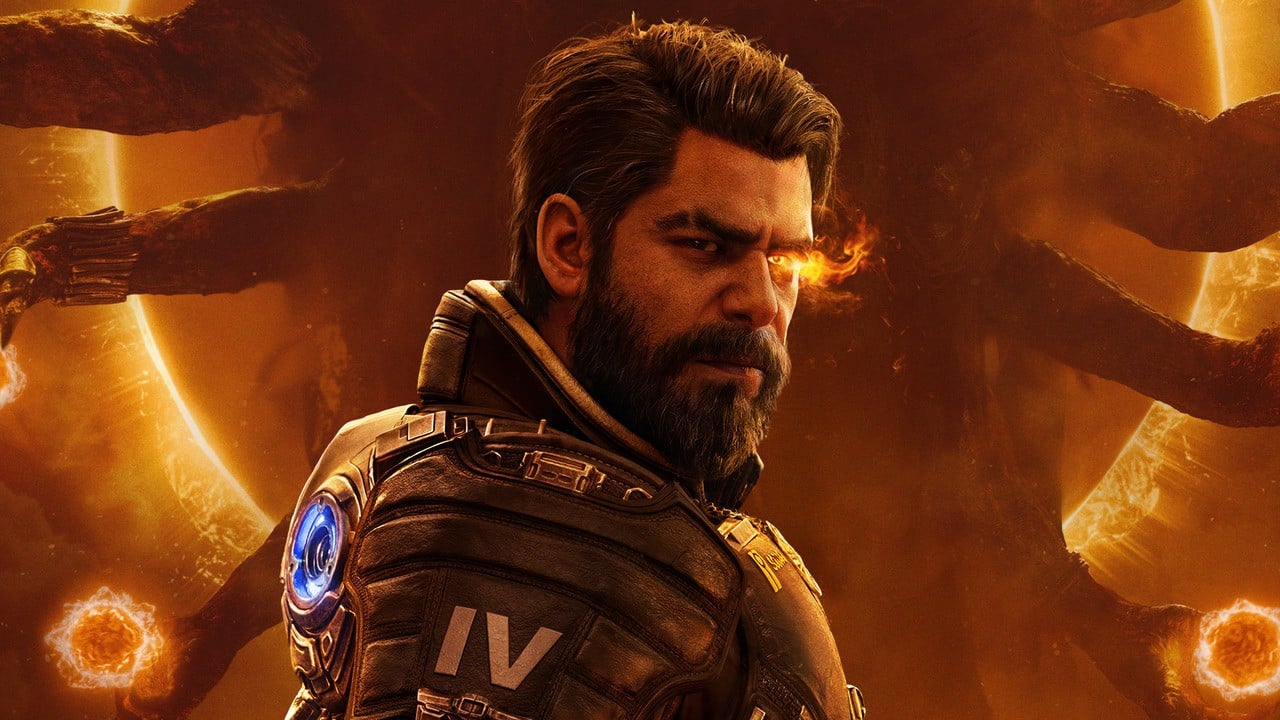
The game drops you into the boots of Arjun Devraj, a Soltari Enforcer tasked with investigating a silent colony on the planet Carcosa. This isn't your standard sci-fi backdrop; Carcosa is a haunting, atmospheric world perpetually threatened by a cosmic eclipse. The art direction leans heavily into a "beautiful and fluid" aesthetic that contrasts the absolute carnage of its combat. As Arjun, you aren't just fighting for survival—you are feeding a cycle of destruction that the planet itself seems to demand.
Arjun Devraj Survives Carcosa’s Eclipse
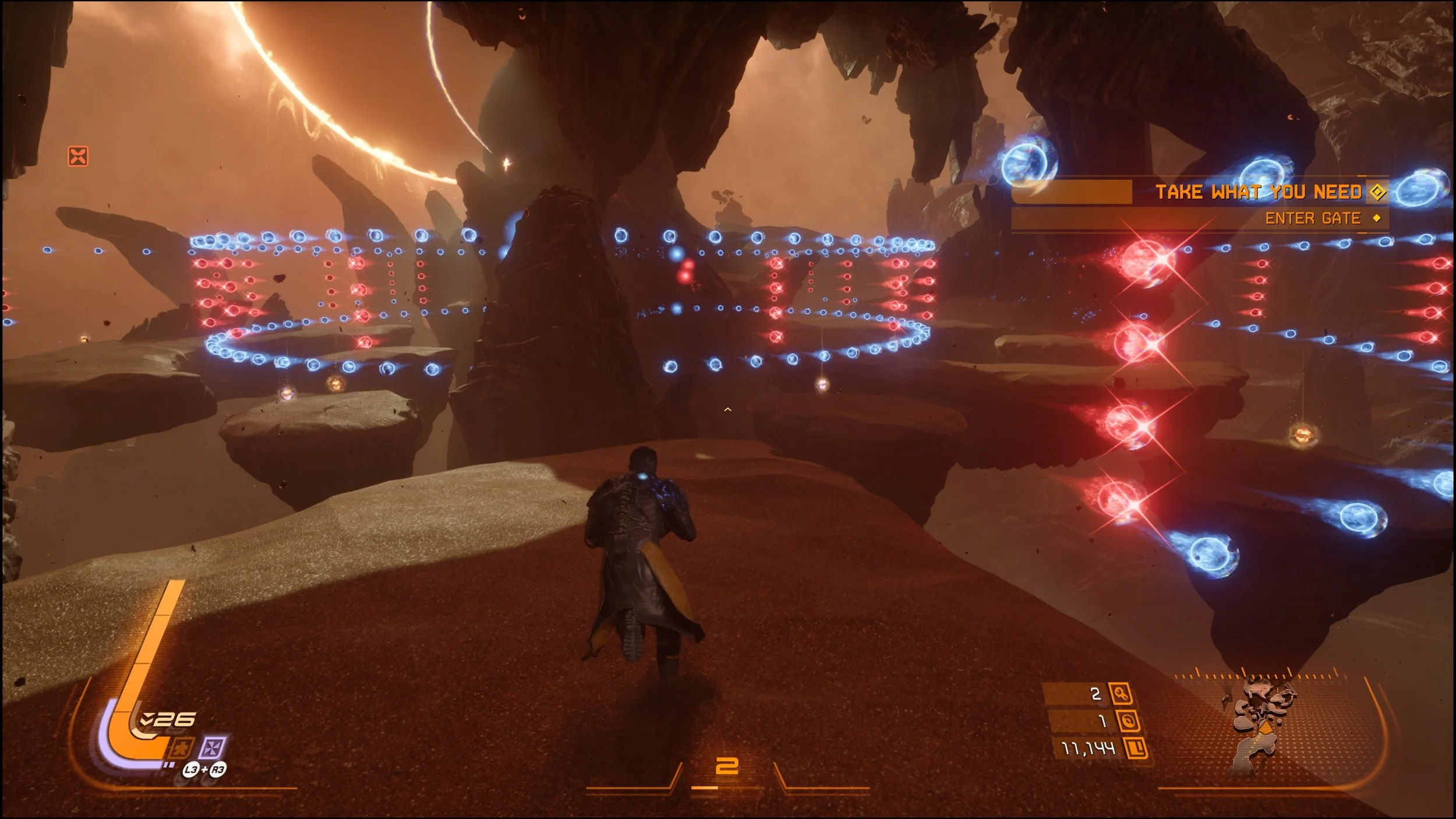
The moment-to-moment Gameplay Mechanics are where the Housemarque DNA shines brightest. Movement is fast, twitchy, and demands constant awareness of your surroundings. Carcosa is a vertical playground where Arjun’s mobility is tested by swarms of enemies that react to the shifting eclipse. Every dash and blast feels intentional, but the real depth lies in how you handle the overwhelming odds. You aren't just shooting; you are managing a complex dance of energy and aggression.
Combat in Saros is described by early players as "intricate and chaotic," a phrase that perfectly captures the feeling of dodging dozens of glowing projectiles while trying to line up a perfect shot. The planet itself feels alive, with the eclipse providing more than just a visual filter—it changes enemy behavior and environmental hazards in real-time. Navigating this world requires more than just good aim; it requires a deep understanding of the systemic layers hidden beneath the surface of the action.
Primary AI Dictates Soltari Evolution
Progression is handled by a cold, calculating machine overlord known as Primary. This AI governs your permanent upgrades, ensuring that no run is ever truly wasted. To find the Best Build, players must balance three distinct upgrade paths: "command," "resilience," and "drive." Command focuses on your shield’s ability to absorb energy, Resilience keeps you in the fight longer through damage mitigation, and Drive dictates how quickly you can collect the energy needed to power your most devastating abilities.
What sets Saros apart from its predecessors is the sheer flexibility of these systems. You aren't locked into a single playstyle. Instead, Primary allows you to pivot your strategy based on the loot you find during a run. The synergy between shield absorption and energy collection creates a loop where being aggressive is often the safest way to play. The more risks you take, the faster you evolve, turning Arjun from a stranded investigator into an unstoppable force of nature.
Carcosan Modifiers Redefine Death and Chaos
The Core Controversy Death as a Power-Up is the engine that drives the game's community discussion. In most titles, dying means losing progress. In Saros, death is a currency. After a couple dozen deaths, you begin to access "Carcosan modifiers." These are deep, systemic changes to the game’s logic that allow you to customize the difficulty and balance of future runs. It’s a bold design choice that forces you to "get stronger" by experiencing failure repeatedly. This creates a unique brand of Death and Chaos where every mistake is a step toward a more powerful version of Arjun.
These modifiers aren't just simple stat boosts. They can fundamentally alter how weapons behave or how the environment reacts to your presence. Some players have found that stacking specific modifiers can lead to "broken" builds that clear rooms in seconds, but reaching that level of power requires a willingness to die over and over again. This Saros Review finds that while the mechanic might frustrate traditionalists, it provides a level of agency rarely seen in the genre. You are essentially the architect of your own difficulty curve.
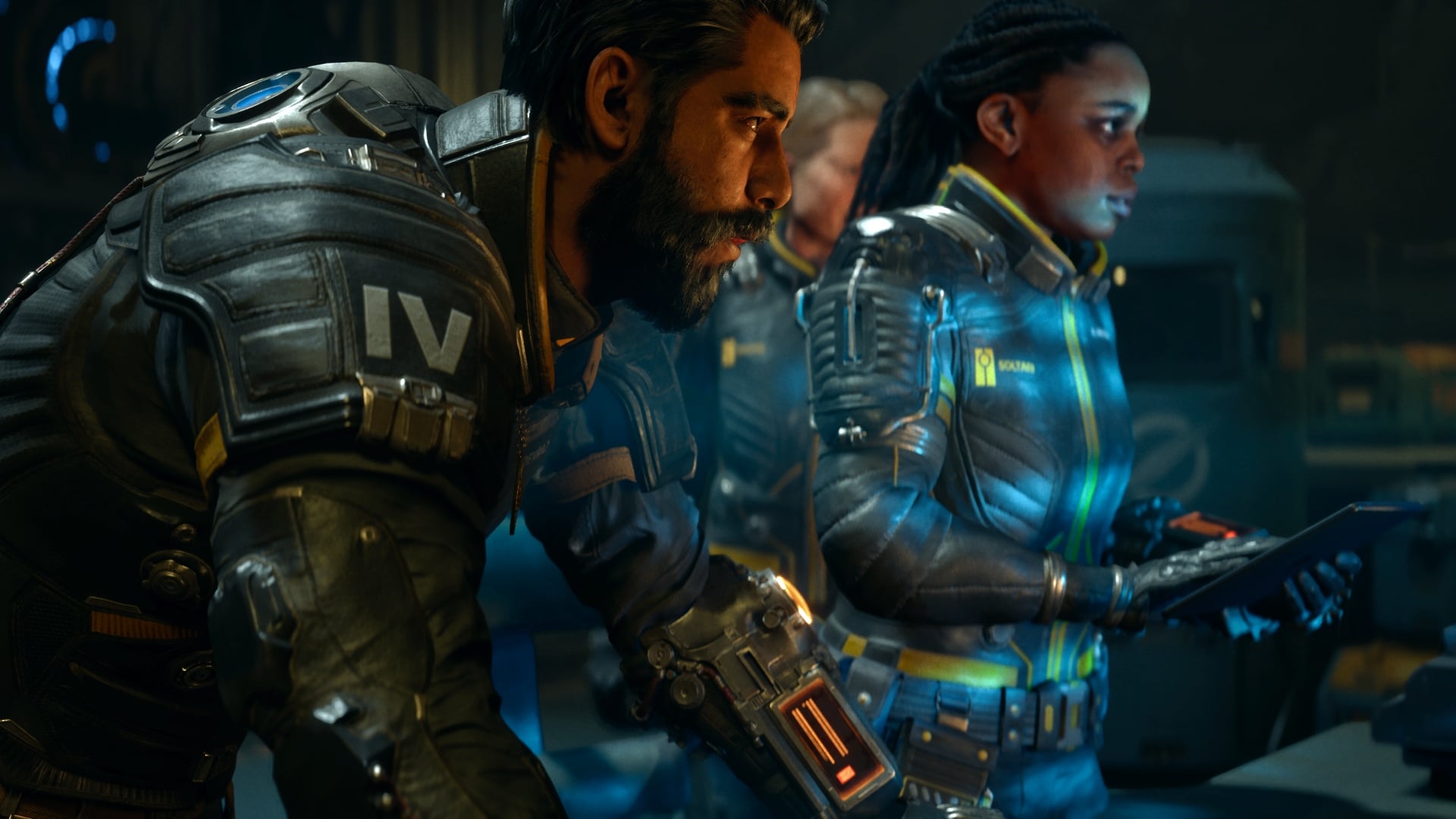
Our Team Validates Housemarque’s Vision

The critical reception for the game has been nothing short of stellar. Our team, in a review published on April 24, 2026, awarded the game a staggering 9.1/10. The consensus is clear: Housemarque has successfully blended intense, high-speed action with a progression system that feels meaningful and fresh. The loop of dying and improving is highly engaging, preventing the fatigue that often sets in with other roguelikes. It’s a masterclass in how to respect a player’s time while still demanding their absolute best performance. Our team specifically praised the way Saros handles its narrative depth. Arjun’s journey isn't just a backdrop for the shooting; it’s woven into the mechanics of the death cycles. As you die and return, the world of Carcosa changes, revealing more about the lost colony and the threat of the eclipse. This creates a powerful drive to see what happens next, both in terms of the story and the new powers you can obtain from Primary. It is a complete package that sets a new high bar for the studio. The future of Saros looks bright as the community begins to master the Carcosan modifiers. Expect the speedrunning scene to explode as players find the most efficient ways to die and stack modifiers for maximum damage. Housemarque will likely expand the modifier pool in future updates to keep the "death-loop" meta shifting for veteran players. This "Death as a Power-Up" mechanic will probably become a new genre standard for roguelike shooters over the next two years.
Frequently Asked Questions
Is Saros worth the full price?
With a 9.1/10 critical score and deep replayability through its Carcosan modifiers, it is considered a must-buy for action fans. The unique progression system ensures hundreds of hours of content.
What is the Best Build for beginners?
Focusing on the "resilience" path through the Primary AI is recommended to mitigate early-game damage. Pairing this with "command" upgrades will give you the shield energy needed to survive longer runs.
How does the death mechanic work?
Dying allows you to access the Primary AI for permanent upgrades and eventually grants Carcosan modifiers. These modifiers let you customize the game's difficulty and your character's power levels after a certain number of deaths.
Confirmed details first, useful context second. This is the quickest path to the source trail and the next pages worth opening.
Source date: April 30, 2026