Asur watched his brother die at the hands of a monster, and the farmboy’s grief isn't leading to a tearful funeral—it’s leading to a war. In the opening hours of Monster Crown: Sin Eater, the stakes are stripped of any "all-ages" fluff, replaced by a gritty revenge story that feels more like a dark fantasy epic than a standard creature collector. This isn't a world where you catch friends; it’s a world where you breed weapons to survive the tyranny of Lord Taishakuten.
What this means for players: This sequel moves past the "indie darling" phase and enters the territory of a serious genre heavyweight. This Monster Crown Sin Eater review explores how the developers have traded the jank of the original for a polished, aggressive experience that rewards tactical cruelty over simple elemental matchups. If you felt the first game was a diamond in the rough, this is the polished blade.
Asur Hunts Lord Taishakuten
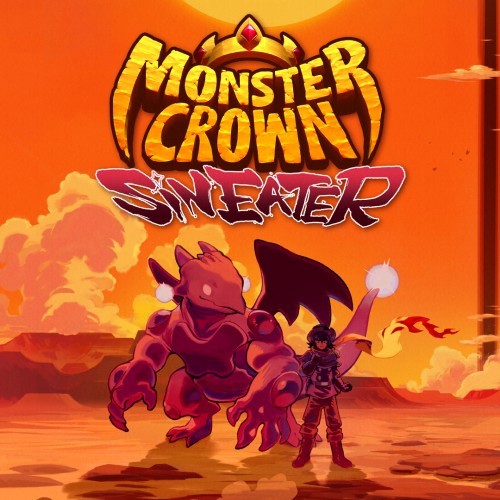
The narrative weight of the Crown Nation is heavy. Asur’s journey isn't about becoming a champion; it is a desperate crawl through a land occupied by the minions of Lord Taishakuten. The writing avoids the typical tropes of the genre, opting instead for a grounded perspective on what it actually looks like when monsters are used as tools of war. Every victory feels earned, and every loss feels like a setback in a very personal vendetta.
The art direction complements this tonal shift perfectly. The world feels lived-in and dangerous, with creature designs that lean into the grotesque and the majestic rather than the marketable. You can feel the history of the Crown Nation in the crumbling ruins and the way NPCs talk about the looming threat. It’s a rare instance where the story actually provides a compelling reason to engage with the core loops of the game.
Deepening Gameplay Mechanics and Combat
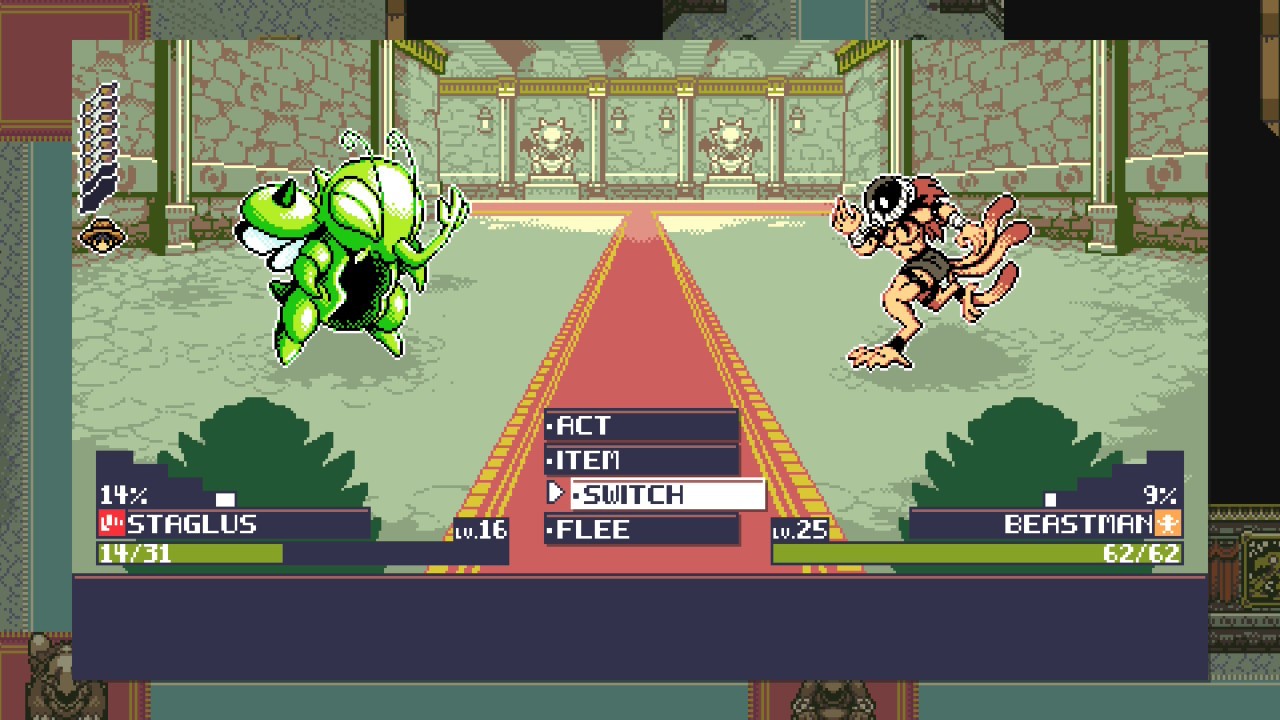
The soul of any monster tamer is the battle system, and this is where the game truly shines. The introduction of the "synchro meter" fundamentally changes how you approach every encounter. As you fight, the meter builds up, eventually allowing you to trigger "crown versions" of your attacks. These aren't just simple damage boosts; they are tide-turning maneuvers that can trigger special transformations, turning a losing battle into a slaughter in a single turn.
This system demands a level of foresight that most competitors lack. You aren't just clicking your strongest move; you are managing a resource that bridges the gap between your human trainer and your monster’s innate power. When combined with the massive crossbreeding system—boasting approximately 200 base monster types—the depth is staggering. You can fuse or breed your existing team to create something entirely unique, effectively building a custom army tailored to your specific playstyle. Any comprehensive Monster Crown Sin Eater guide would tell you that the real game begins in the breeding lab, not the field.
Critical Reception and Improvements
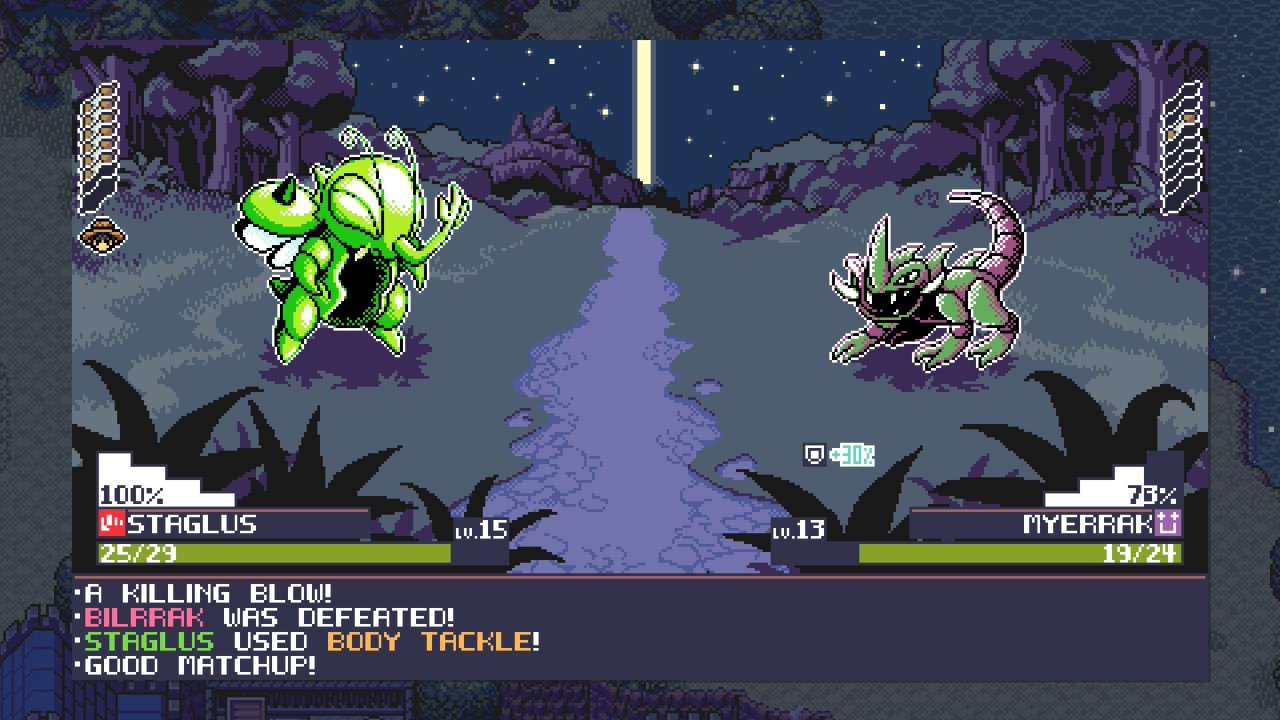
When Chris "Atom" DeAngelus published his review on April 29, 2026, the consensus was clear: this is a "big improvement over the original game." The first title was often criticized for its technical hiccups and balancing issues, but those days seem to be gone. The performance is stable, the UI is significantly more intuitive, and the overall experience is far less buggy. It feels like a project that has finally realized its full potential.
The Critical Reception and Improvements noted by early reviewers highlight a developer that actually listened to community feedback. The pacing has been tightened, ensuring that the revenge plot moves at a brisk clip without sacrificing the exploration that fans love. The balancing of the crossbreeding system also feels more intentional, preventing players from accidentally breeding themselves into a corner early in the campaign. It is a rare sequel that keeps the spirit of the original while surgically removing every annoyance.
Monster Crown Sin Eater Verdict
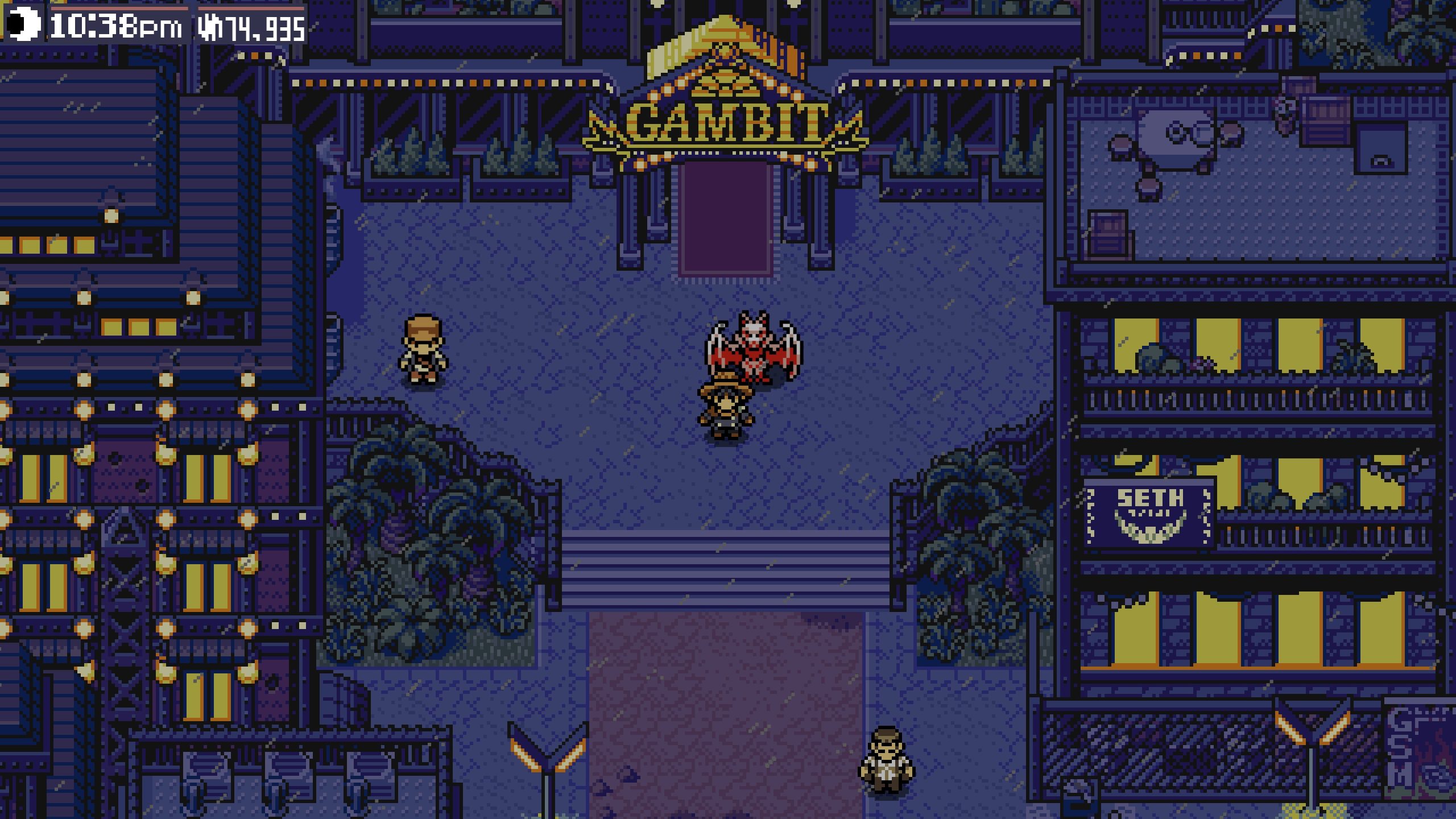
So, is Monster Crown Sin Eater worth it? If you are looking for a sanitized, colorful romp through the woods, look elsewhere. But if you want a game that respects your intelligence and offers a deep, dark world to master, this is essential. The combination of the synchro meter and the robust breeding mechanics creates a gameplay loop that is incredibly hard to put down. It’s a game that understands the primal appeal of monster collecting but isn't afraid to get its hands dirty with blood and vengeance.
The Crown Nation is a harsh teacher, but the rewards for those who master its systems are immense. Whether you are a veteran of the first game or a newcomer looking for a more mature take on the genre, Asur’s journey is one you shouldn't miss. It’s not just a sequel; it’s a statement that the monster-taming genre still has plenty of room for innovation and grit.
Frequently Asked Questions
Is Monster Crown Sin Eater worth it for solo players?
Yes, the game features a massive single-player campaign centered on Asur's revenge story with significant mechanical depth. The 200 base monsters and crossbreeding system provide hundreds of hours of solo content.
How does the synchro meter impact combat?
The synchro meter builds during battle to allow for "crown versions" of attacks and special transformations. It adds a layer of resource management that makes tactical timing more important than raw stats.
Do I need to play the original Monster Crown first?
While Sin Eater is a direct sequel, the improvements in stability and the refined tutorial make it a great entry point for new players. You will understand the mechanics quickly even without prior experience.
As the 2026 release calendar fills up, Sin Eater is positioned to become a cult classic for those tired of sanitized creature collectors. We expect a surge in community-driven breeding guides as players discover the most broken combinations hidden within the 200 base types. If the developers maintain this level of stability, the franchise could finally step out of the shadow of its genre inspirations.
Confirmed details first, useful context second. This is the quickest path to the source trail and the next pages worth opening.
Source date: April 30, 2026