The global semiconductor supply chain is hitting an unexpected roadblock, and it’s happening weeks before any major protest even begins. Sources indicate that Samsung has already dropped into "emergency management mode," signaling a severe, preemptive slowdown of its chip output.
Why this matters: This sudden drop in production capacity suggests that the looming labor dispute is already having tangible, negative effects on the supply chain, potentially delaying everything from next-gen consoles to AI hardware. What this means for players: The market may face unexpected bottlenecks and price adjustments as the industry struggles to maintain output stability.
Samsung Chip Production Slowdown Signals Crisis

The news is alarming: Samsung has reportedly begun throttling its semiconductor output without waiting for the union’s scheduled walkout. This isn't a planned adjustment; it’s a crisis response. The company has reportedly cut new wafer input and placed critical, complex equipment—including advanced lithography, etching, and cleaning gear—on standby.
These pre-strike actions are a stark indication that the operational slowdown is already well underway. The immediate focus has shifted from managing the strike to managing the resulting output decline. The company is essentially hitting the brakes on its most complex manufacturing processes, confirming that the pressure on the semiconductor DS division workforce is reaching critical levels.
Walkout Nears Critical Mass for Samsung

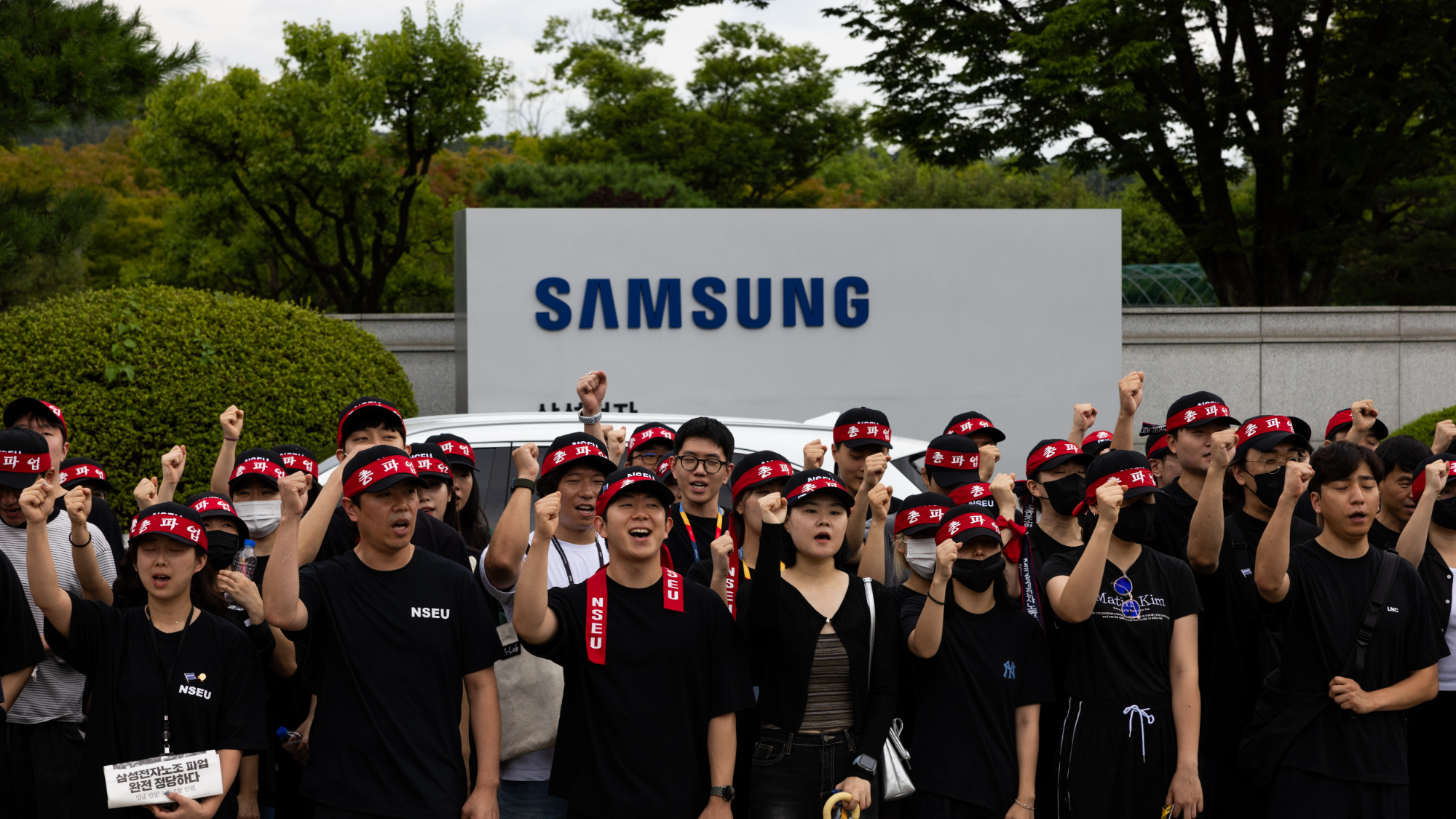
The timeline is tight and the numbers are concerning. Samsung’s chip production is already showing signs of decline days before the union’s 18-day walkout is scheduled to kick off on May 21st. This is not a rumor—it is a measurable drop in activity.
The participation rate is the most alarming factor. As of May 14th, the number of workers signed up for the walkout has surpassed 43,000, rapidly approaching the union’s internal target of 50,000. Multiple sources are reporting that more than half of the entire semiconductor division workforce is participating in the action.
The internal assessment at Samsung suggests that this level of participation means a de facto shutdown is imminent. This scale of labor action, combined with the immediate throttling of critical equipment, puts the entire company in an unprecedented operational bind, highlighting the severity of the potential Samsung chip production slowdown.
Global Impact of Semiconductor Output Decline

The fallout from a major semiconductor output decline at a company the size of Samsung ripples across the entire tech ecosystem. Chips are the fundamental building blocks of modern technology, and a slowdown here isn't just a local labor dispute; it's a threat to global product roadmaps.
For the gaming industry specifically, this means potential delays for hardware refresh cycles, next-generation console components, and high-end PC builds that rely on cutting-edge fabrication. Every major tech company—from automotive manufacturers to smartphone giants—is acutely sensitive to the stability of the semiconductor supply chain.
The sudden need for the company to manage this severe Samsung chip production slowdown underscores just how vital stable manufacturing is. The focus now is intensely on how quickly Samsung can stabilize its lithography etching equipment and regain stable wafer input once the labor action concludes.
What Happens After the Walkout?
The immediate future hinges entirely on negotiations and the speed of operational recovery. If the labor action continues as expected, the market will continue to brace for significant delays. However, if a breakthrough occurs, the recovery will be complex, requiring the careful re-introduction of high-precision manufacturing processes.
Experts predict that the first quarter of 2025 will be a pivotal time for supply chain recovery, depending on the agreement reached. We anticipate intense pressure from global tech buyers to prioritize output, potentially leading to a shift in chip allocation.
The industry will likely see accelerated investment in alternative fabrication methods to reduce reliance on single, massive facilities. Ultimately, the stability of the entire tech sector will depend on Samsung's ability to prove the resilience of its manufacturing core.
Frequently Asked Questions
What is lithography etching equipment?
This equipment is crucial for defining the incredibly tiny circuit patterns on a silicon wafer. It is a core process in semiconductor manufacturing, determining the chip's performance and density.
How does this affect gaming hardware availability?
A major slowdown suggests potential bottlenecks for advanced components used in high-end GPUs and CPUs. This could lead to delayed product launches or temporary price increases for consumers.
When is the next major chip supply expected?
The timeline is currently volatile due to the labor action. Any recovery is contingent on successful negotiations, but stable supply remains uncertain until the walkout concludes.
Confirmed details first, useful context second. This is the quickest path to the source trail and the next pages worth opening.
Source date: May 15, 2026