
Gravity Circuit 2 Nintendo Switch 2027 Key Takeaways
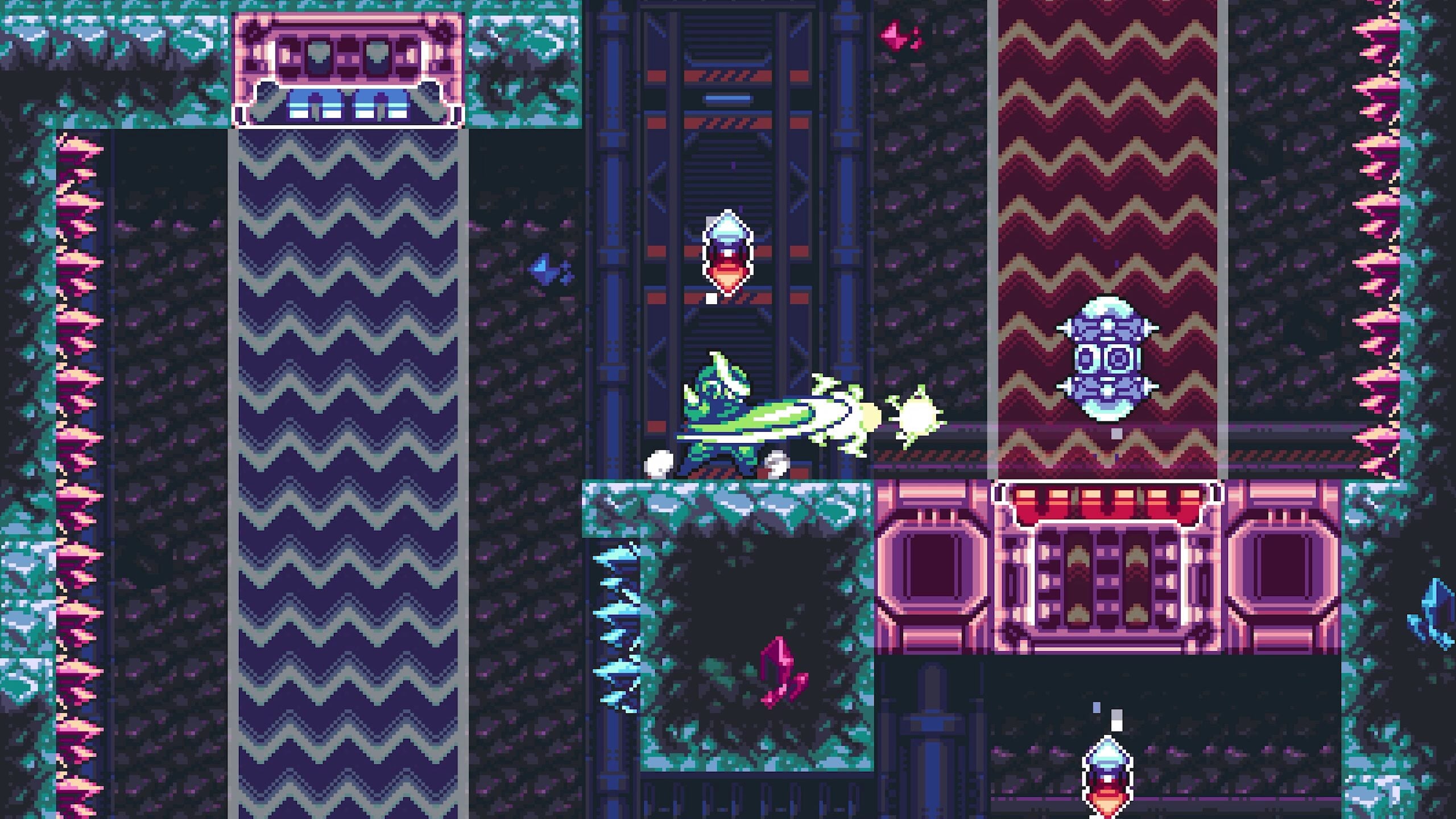
- The sequel promises a massive overhaul, returning to the action-packed 2D combat style of the original.
- Players will switch between two distinct playstyles: Kai's close-quarters fighting and Cable's expanded range combat.
- The story takes place in a rebuilt Kernel City, forcing protagonists to fight the formidable new threat, the Hunter Army.
What if the best 2D action platformer sequel wasn't just a return to form, but a complete mechanical revolution? The rumors are solidifying into reality: Gravity Circuit 2 Nintendo Switch 2027 is gearing up to unleash a combat experience unlike anything the franchise has offered before. The hype machine is roaring, and the early details suggest that this isn't just a simple continuation—it's a massive evolution.
What this means for players: Expect deep character customization and a combat system that rewards mastery of two radically different fighting approaches, promising hours of high-octane, kinetic gameplay. The return to Kernel City is set to redefine what modern 2D action means on the portable console.
The Evolution of Kernel City 2D Platformer Gameplay
For fans who grew up with the original title, the announcement of Gravity Circuit 2 Nintendo Switch 2027 feels like finding a lost masterpiece. The sequel confirms its dedication to the high-stakes, action-packed combat that defined the first game, setting the stage years after the initial events. It’s not merely revisiting the world; it’s showing us a rebuilt, more dangerous Kernel City.
The core gameplay loop promises to be a masterful blend of classic 2D platforming precision and modern combat depth. Players aren't just traversing levels; they are navigating a sprawling, dangerous metropolis that has been ravaged by new forces. The foundation remains the fast-paced, kinetic feeling of the original, but the scope has been expanded to accommodate complex new systems. The environment itself feels like a character, offering opportunities for both traversal and tactical combat.
Dual Protagonists and Expanded Combat Styles
The most significant mechanical shift detailed is the move to dual protagonists, fundamentally altering the combat identity of the game. Players will assume control of Kai and Cable, two characters who embody completely different fighting philosophies. This isn't just a character swap; it’s a radical shift in playstyle that requires players to master two distinct combat vocabularies.
Cable, in particular, sees a massive power boost. His signature long-range approach is expanded with projectile weaponry, multiple jump mechanics, and a truly unique combat resource: the ability to convert defeated enemies into scrap ammunition. This adds a layer of tactical depth, forcing players to not only survive but to actively manage the battlefield to fuel their attacks. Meanwhile, Kai retains his signature closed-combat fighting style, offering a grounded, visceral contrast to Cable's ranged mayhem. This mechanical contrast is the heart of the Kai Cable dual protagonist gameplay.
Beyond the characters, the introduction of Booster Chips and Burst Techniques promises deep customization. These new mechanics will allow players to define their characters' move sets and stats, turning the combat into a truly customizable sandbox experience. The synergy between these two characters, forcing players to decide which toolkit is best for the current threat, is where the gameplay depth shines.
Confronting the Hunter Army Threat
The narrative context is just as critical as the mechanics. The story places the action in a rebuilt Kernel City, but the threat level has escalated dramatically. Protagonists must now contend with the formidable new enemy faction: the Hunter Army. This threat elevates the stakes, moving the narrative beyond simple survival and into a conflict of sheer scale and desperation.
To keep pace with this escalating threat, the gameplay incorporates robust progression systems. Players can collect Circuit Shards, obtained by defeating every boss and mastering new combat challenges. These shards aren't just collectibles; they are direct sources of power, unlocking brand-new upgrades that enhance abilities and fundamentally alter how the characters operate. This structure ensures that every major fight feels like a necessary step toward becoming an unstoppable force.
The Full Scope of Gravity Circuit 2’s Features
The polish and presentation of the sequel suggest a comprehensive overhaul. The promise of a new soundtrack, composed by Dominic Ninmark, hints at a richer, more cinematic auditory experience that will complement the frenetic action. Visually, the game is set to be a technical marvel, building upon the established art style while adding modern flair to the environments.
The confluence of these elements—the dual protagonists, the scrap-ammo mechanics, the overarching threat of the Hunter Army, and the vibrant setting of Kernel City—makes the anticipation for Gravity Circuit 2 Nintendo Switch 2027 electric. The game is poised to be a defining moment for the genre, demanding mechanical mastery from its players. Keep your eyes locked on the official announcements regarding the exact Gravity Circuit 2 release date.
What Can We Expect from the Sequel?
The sheer ambition visible in the development details suggests that the game will be a true powerhouse title for the Nintendo Switch. The depth of the combat system, which blends the raw, melee power of Kai with the tactical, resource-management aspect of Cable, guarantees that the replayability factor will be massive. Coupled with the promise of a visually fresh Kernel City, the game is setting a very high bar for 2D platforming in the modern era.
As the industry continues to embrace retro-inspired mechanics with modern polish, titles like this prove that the classic formula, when given enough mechanical care, can thrive. The focus on unique, character-specific combat styles over generic power-ups is a refreshing and exciting direction.
We predict that the focus on dual-protagonist synergy will become the industry benchmark for character-switching combat in 2D platformers. Furthermore, the implementation of collectible resources (like Circuit Shards) directly tied to combat upgrades will set a new standard for progression pacing in the genre. Finally, the high level of detail in the combat system suggests a long, satisfying gameplay loop that will keep the community engaged well past the initial release date.
Frequently Asked Questions
What is the confirmed platform and release window?
The game is confirmed to debut on the Nintendo Switch, with development targeting a 2027 release window.
How does Cable's combat style differ from Kai's?
Kai focuses on close-quarters, melee-based fighting, while Cable utilizes a long-range combat style that features projectiles and converting enemies into usable ammunition.
Are there significant new features beyond the dual protagonists?
Yes, the game introduces Booster Chips and Burst Techniques for deep character customization, alongside the collection of Circuit Shards for major ability upgrades.
Confirmed details first, useful context second. This is the quickest path to the source trail and the next pages worth opening.
Source date: June 2, 2026