Eidos Montréal Faces Layoffs Amidst Industry Upheaval
The gaming landscape is once again proving to be a brutal battlefield. Eidos Montréal, a studio with a storied history and a roster of beloved franchises, has announced significant layoffs, impacting 124 employees. This marks a stark contraction for a studio that has been a key player in the industry for years. Adding to the seismic shift, studio head David Anfossi is departing after nearly two decades at the helm, leaving a void and amplifying the uncertainty surrounding the studio's future.
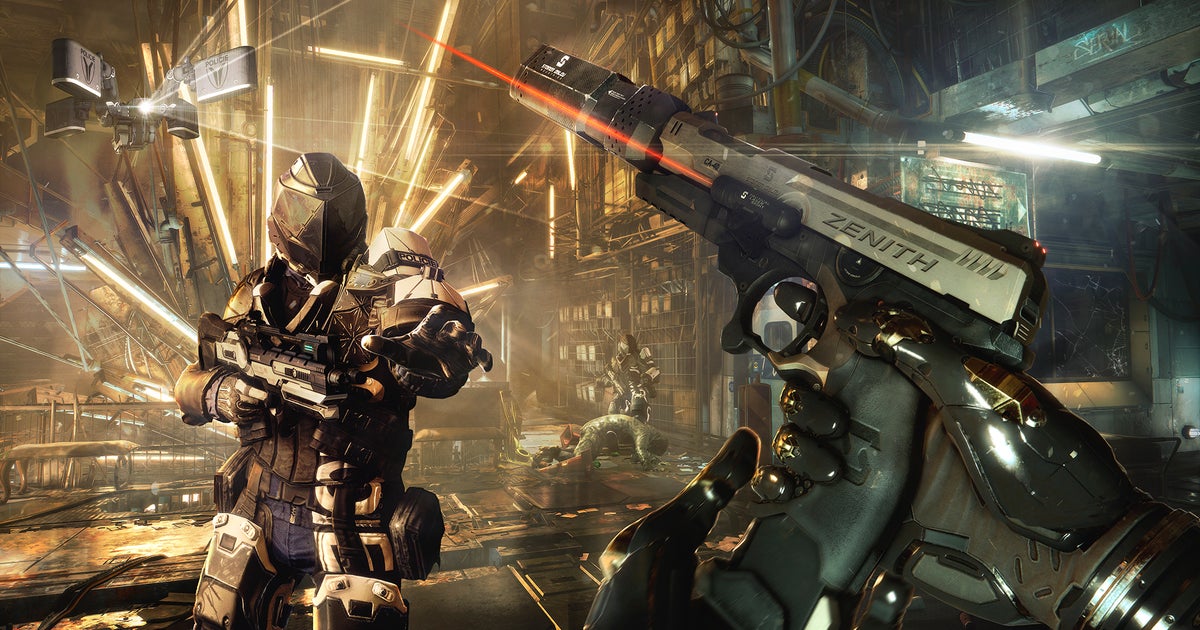
These cuts at Eidos Montréal are not happening in a vacuum. The studio cites "changing project needs" as the primary driver, a euphemism that often masks deeper strategic realignments and financial pressures. The impact ripples across both production and support teams, a clear indication that the entire operational structure is being reshaped. This move follows Eidos Montréal's acquisition by Embracer Group in 2022, a conglomerate that has itself been undergoing a period of intense restructuring. The broader Embracer story is grim, with over 4,500 job losses company-wide, painting a chilling picture of consolidation and cost-cutting in the wake of ambitious expansion.
Embracer Group's Restructuring Hits Eidos Montréal
The acquisition by Embracer was meant to be a catalyst for growth, a way to leverage the strengths of Eidos Montréal under a larger umbrella. Instead, it appears to have become a point of painful recalibration. The "changing project needs" likely relate to the strategic direction Embracer is now pursuing, which may not align with the ongoing development at Eidos Montréal. This is a common, albeit harsh, reality in the M&A world of gaming: new ownership often brings new priorities, and not everyone survives the transition. The departure of David Anfossi, a figurehead for so long, signifies the end of an era and the beginning of a new, unwritten chapter for the studio, one that is now being written with fewer hands.
Industry-Wide Layoffs Signal a Market Correction
The tremors felt at Eidos Montréal are part of a much larger, industry-wide earthquake. The once-booming gaming sector, fueled by pandemic-era engagement, is now grappling with a post-boom reality. Player engagement is shifting, and the massive investments made during the peak years are now being scrutinized. Epic Games, the behemoth behind Fortnite, recently announced layoffs affecting over 1,000 employees, directly attributing the cuts to a "downturn in player engagement." This is a stark warning sign from one of the industry's most dominant forces. Similarly, Crystal Dynamics, the studio behind the recent Tomb Raider reboot, also experienced recent layoffs, further underscoring the pervasive nature of this trend.
This wave of layoffs is not merely about individual studios; it's a symptom of a broader market correction. The rapid growth of the past few years, spurred by unprecedented circumstances, may have masked underlying vulnerabilities. Companies are now reassessing their portfolios, project pipelines, and overall operational costs. The era of seemingly endless growth and readily available capital appears to be giving way to a more cautious, fiscally disciplined approach. Studios that were perhaps over-leveraged or whose projects no longer fit the current market demands are now facing the consequences.
The implications for game development are significant. Smaller teams might struggle to secure funding, and the pressure to deliver commercially successful titles will intensify. The focus may shift from ambitious, long-term projects to more immediate, revenue-generating titles. This could stifle innovation and lead to a more homogenized gaming experience. For developers, the job market has become considerably more competitive, and job security is now a paramount concern. The once-promised land of creative freedom and constant opportunity is now a landscape marked by uncertainty and intense competition. The dream of a stable, thriving career in game development is facing its toughest test yet.
The current climate suggests a period of consolidation and a renewed emphasis on profitability. Studios will need to demonstrate clear market viability and efficient operational models to survive and thrive. The days of unchecked expansion may be over, replaced by a more strategic and perhaps more brutal approach to business. The industry is at a critical juncture, and the decisions made now will shape its trajectory for years to come.
The immediate future for Eidos Montréal remains uncertain, but the broader industry trend points towards a more streamlined and focused approach to game development. Studios will likely prioritize projects with clear market appeal and a strong potential for return on investment. Expect fewer risks and a greater emphasis on established IPs and proven game mechanics. The era of ambitious, experimental projects may be temporarily on hold as companies navigate this challenging economic climate.
Frequently Asked Questions
When was Eidos Montréal acquired by Embracer Group?
Eidos Montréal was acquired by Embracer Group in 2022. This acquisition has been followed by significant restructuring within Embracer.
What are the primary reasons cited for the layoffs at Eidos Montréal?
The studio has attributed the layoffs to changing project needs impacting production and support teams. This is occurring within a larger context of Embracer Group's company-wide restructuring.
Are other major game studios also experiencing layoffs?
Yes, the gaming industry is currently experiencing widespread layoffs. Epic Games and Crystal Dynamics are among other prominent studios that have recently announced job cuts.
Tags : #EidosMontréal #Layoffs #GamingIndustry #Turmoil #GameDevelopment
Confirmed details first, useful context second. This is the quickest path to the source trail and the next pages worth opening.