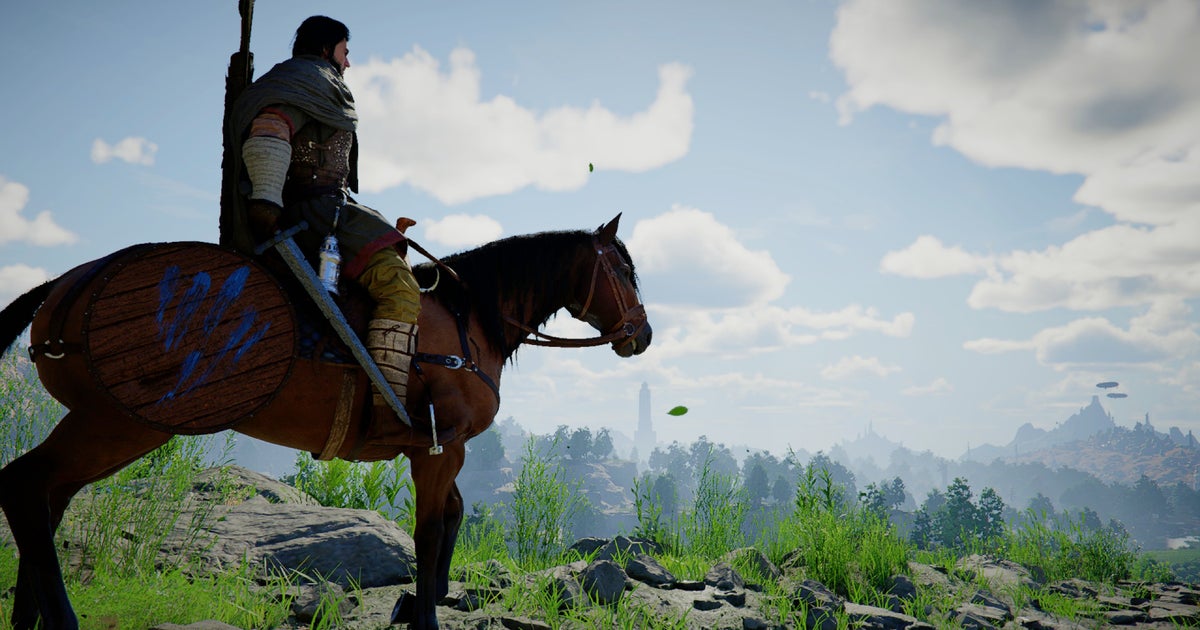
Forget everything you thought you knew about pet companionship in the Crimson Desert. The game is changing the fundamental rules of player-world interaction, making mounts more complex and utility far more granular than ever before.
What this means for players: The convergence of deep pet mechanics and environmental utility suggests a massive shift toward dedicated resource management and long-term character investment.
Key Takeaways:
- Wyverns are moving beyond simple mounts into a full pet life cycle system.
- The new dedicated tool slot fundamentally changes gear management and combat flow.
- Pond building adds an ecological layer, demanding deeper exploration of the map.
The latest patch isn't just a collection of small fixes; it’s a foundational update that redefines player roles, giving meaningful depth to everything from pet care to simple resource gathering. If you’ve been waiting for a reason to return to the Crimson Desert, the developers have delivered a massive, multifaceted overhaul.
Wyvern Mounts and Pet Progression
The most significant news revolves around the future of wyvern companions. The developers have revealed detailed plans for the baby wyvern mount mechanics, suggesting that the pet system is evolving into a genuine life cycle simulator.
The current temporary utility of subduing wild wyverns as mounts is just the appetizer. This update promises players a deeper commitment, allowing them to actively raise these beasts into registered, permanent mounts. This shift dramatically raises the stakes for pet acquisition and care.
Furthermore, the patch incorporates several critical pet life cycle updates. Beyond just being a ride, these wyverns are becoming characters. Players can expect mechanics that tie breeding, feeding, and training directly into the core gameplay loop, moving the system far beyond simple stat boosts.
Revamped Utility and Gear Management
If the pet updates are exciting, the quality-of-life changes are what make the game feel truly polished. The character utility improvements are massive, particularly regarding how players manage their inventory and combat setup.
Perhaps the biggest structural change is the addition of a dedicated tool slot. This means specialized items, like the logging axe, shovel, or scythe, can now be equipped separately from your secondary weapon. This change fundamentally alters the combat flow and resource gathering efficiency, giving players a much more robust character loadout.
This new capability to equip tools secondary weapon slot isn't just cosmetic; it’s mechanically vital for deep crafting and combat specialization. Alongside this, the combat roster has expanded, allowing characters like Kliff to utilize muskets and shotguns, adding gunpowder-based combat to the mix.
The overall feel is one of refinement. The game isn't just adding content; it's perfecting the *system* through which content is used, ensuring every gear piece and skill feels earned and impactful.
Building Ponds in Crimson Desert
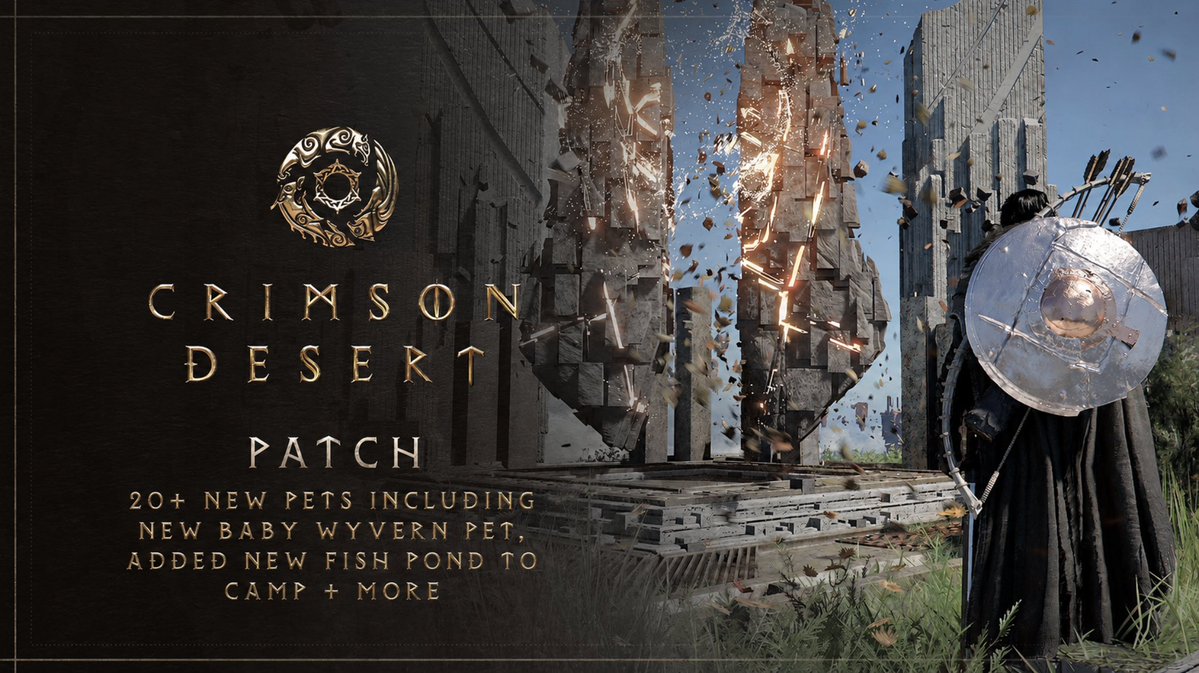
The scope of exploration has been dramatically widened by the introduction of environmental utility. Players can now engage in activities like building and maintaining ponds in specific areas, such as Howling Hill and Pailune Camp.
The ability to build pond in crimson desert areas is more than just a novelty; it’s an engine for resource generation and ecological simulation. These ponds facilitate fish breeding, and the process is varied—different species reproduce at different rates, encouraging players to diversify their efforts.
This focus on resource management is a core element of the crimson desert patch features. You can release any caught fish into these new ponds, initiating a continuous breeding cycle. This adds a surprisingly deep layer of ecological simulation, turning simple fishing into a sustained, strategic activity.
This interconnectedness—from raising wyverns to managing breeding ponds—shows a clear direction for the game: making every corner of the world matter. The developers are heavily investing in the wyvern mount future update to tie these elements together.
What Does This Mean for Players?
The combination of these updates means that the player’s journey is becoming less linear and more self-directed. The time spent in the world now has multiple, rewarding sinks: pet training, resource farming, and architectural utility.
Players will need to re-evaluate their daily routines, balancing combat progression with the dedicated time required for breeding cycles and pet care. This is the sign of a game that is confident in its long-term retention strategy.
The sheer volume of interconnected systems—from the baby wyvern mount mechanics to the depth of the fishing economy—suggests a massive amount of content designed to keep players engaged for hundreds of hours.
Frequently Asked Questions
How do the new wyvern mounts work?
The wyvern system is expanding beyond simple mounting. The new mechanics focus on pet life cycles, requiring players to raise and train the mounts to unlock their full potential.
Where can I build ponds in Crimson Desert?
Pond construction is currently available in specific, designated environmental zones like Howling Hill and Pailune Camp, encouraging players to explore those areas for resources.
Does the tool slot affect combat?
Yes, the dedicated tool slot fundamentally changes gear management by allowing specialized utility items, like axes or shovels, to be equipped alongside your secondary weapon for tactical advantage.
We anticipate that the developers will follow up these massive structural changes with advanced wyvern breeding mechanics, potentially introducing regional variations that require specific environmental setups. Expect a major overhaul of the crafting system to better utilize the resources generated by the new pond features. Finally, the integration of pet-specific combat skills will likely become the focus, making the wyvern an active combat participant rather than just a fast ride.
Confirmed details first, useful context second. This is the quickest path to the source trail and the next pages worth opening.
Source date: May 24, 2026