AMD has long played second fiddle to Nvidia in the frame generation arms race. While Team Green has pushed the boundaries of what AI and interpolation can do for your monitor's refresh rate, Team Red has remained notably conservative. However, new evidence suggests that the status quo is about to be disrupted, potentially giving Radeon owners the performance multiplier they have been waiting for.
Why this matters: AMD SDK Leak Hints at Multi-Frame Generation for Radeon GPUs is more than a headline because release timing, platform support, and the practical effect on players matter as much as the announcement itself.
Why this means for players: If AMD successfully implements multi-frame generation ratios, Radeon users could see massive performance multipliers similar to Nvidia’s latest RTX hardware, finally closing a significant technological gap that has favored GeForce cards for years.
The ADLX API Discovery and Ratios
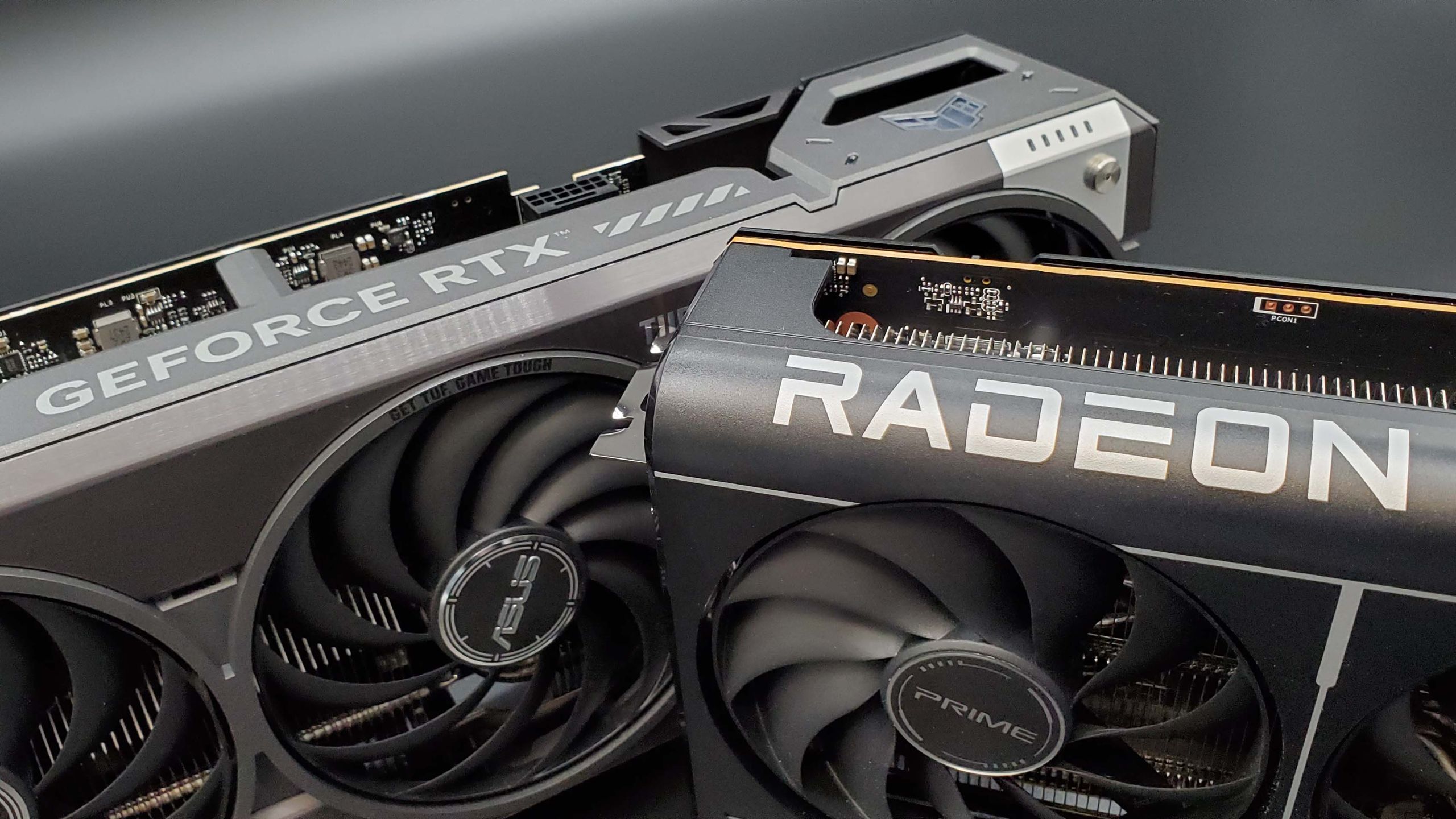
The evidence for this shift comes from a deep dive into AMD’s SDK documentation for its ADLX API. This interface is the primary tool programmers use to access and control specific GPU features on Radeon hardware. A recent addition to the documentation, spotted by Reddit user AthleteDependent926, points to a very specific and telling string: "IADLX3DFidelityFXFrameGenUpgradeRatioOption."
This isn't just a random string of characters; it represents a fundamental change in how AMD handles frame interpolation. According to the documentation, this feature allows users to select a "desired frame generation ratio for optimal performance and visual quality." This phrasing is critical because it suggests a move away from the static nature of current FSR implementations.
Decoding the Frame Generation Ratio
Until now, FSR (FidelityFX Super Resolution) frame generation has been a strictly binary affair. It is either on or off, providing a solid 2x frame rate boost by interpolating exactly one generated frame between every traditionally rendered one. There has been no need for a "ratio" because the math was always 1:1.
By introducing a ratio selection, AMD is signaling that developers may soon give gamers the option to select different levels of frame generation. In the world of high-performance gaming, a ratio adjustment is typically only necessary if you are switching between 2x, 3x, or even 4x frame generation. This would allow players to generate multiple synthetic frames for every real one, potentially tripling or quadrupling their perceived frame rate.
David McAfee and AMD’s Cautious Strategy
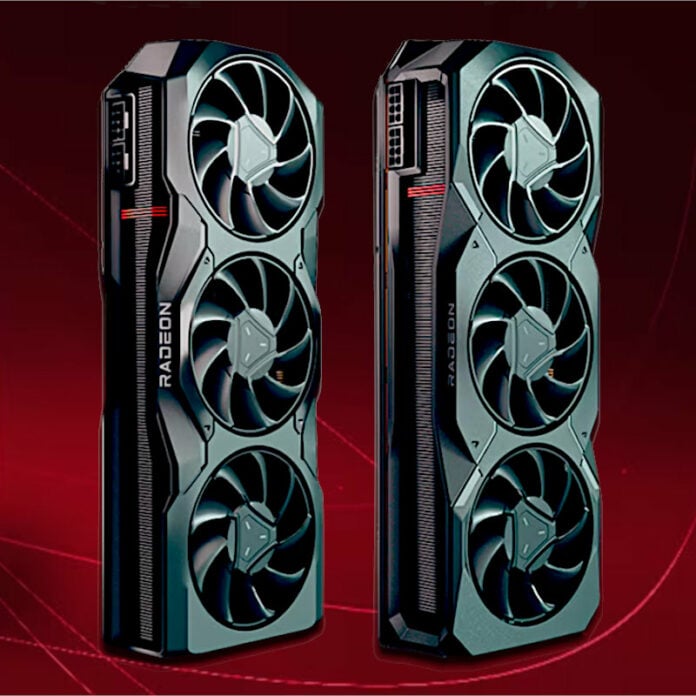
The move toward multi-frame generation (MFG) isn't just a technical hurdle for AMD; it is a philosophical one. Earlier this year, David McAfee, AMD’s corporate vice president, expressed a sense of hesitation regarding the technology. He noted that the company would "proceed very cautiously" and listen to the gaming community’s reaction to these capabilities before diving in head-first.
McAfee suggested that some gamers feel frame generation has "gone too far" in certain cases, leading to visual artifacts or a disconnected feel during gameplay. This cautious stance explains why AMD has held out with its 2x frame gen while Nvidia has sprinted ahead. However, the discovery in the ADLX API suggests that the "next several years" McAfee mentioned might be arriving much sooner than the executive originally hinted.
Radeon vs Nvidia RTX 50-Series Performance
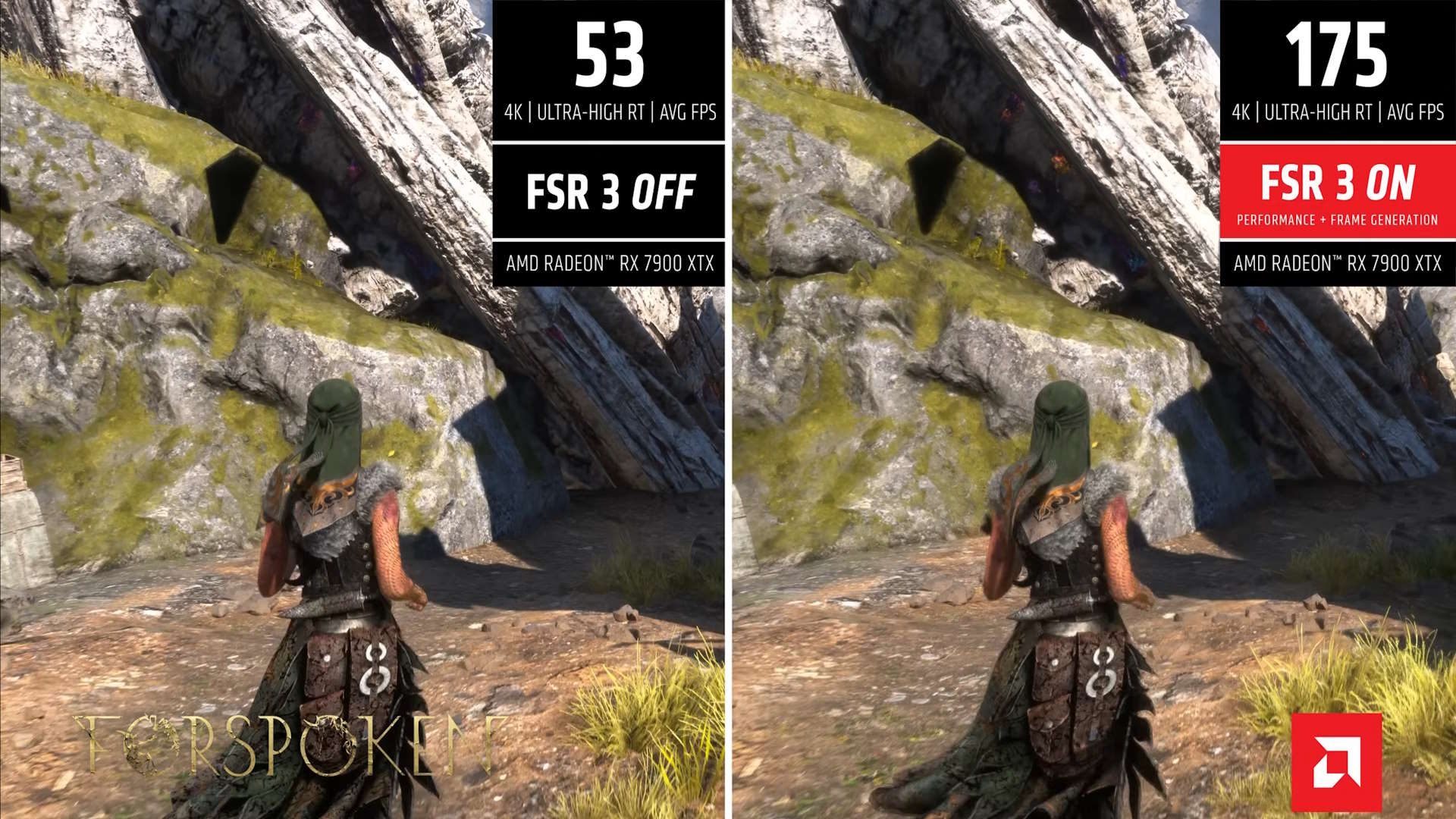
To understand the urgency behind this leak, one must look at the competition. Nvidia launched its RTX 50-series with 3x and 4x frame generation capabilities last year, and more recently extended those capabilities to 5x and 6x ratios. For enthusiasts, this has created a massive performance gulf between the two brands, especially in titles that are heavy on ray tracing or high-resolution textures.
The Battle for Frame Rate Supremacy
If AMD allows for a "ratio" selection, it implies that Radeon gamers could finally choose how much interpolation they are willing to tolerate. This would allow for a level of customization previously unavailable on Team Red hardware. It gives the player the power to balance visual fidelity against the sheer smoothness of high-refresh-rate gaming, a trade-off that is central to the modern PC gaming experience.
This flexibility is essential for maintaining competitiveness. As games become more demanding, the ability to generate multiple frames becomes less of a luxury and more of a necessity for those who want to play at 4K resolutions without spending thousands on the most expensive flagship hardware.
The Future of FidelityFX Frame Generation

The slow uptake of FSR upscaling and frame generation has been a point of contention among the PC gaming community, often becoming a bit of a running joke. Whether it's the lack of implementation of the latest versions in major AAA titles or the inability of previous GPU generations to make full use of the tech, AMD has faced an uphill battle in terms of public perception.
It is refreshing to see that AMD’s internal caution might not be holding back development entirely. Assuming this new frame gen ratio selection pans out to be bona fide multi-frame generation, it could be the shot in the arm the Radeon ecosystem needs. It would demonstrate that AMD is still committed to matching Nvidia's feature set, even if they choose to take a more measured path to get there.
AMD will likely wait for a major driver milestone or a high-profile game partnership to officially debut these multi-frame generation ratios to the public. Expect a period of intense community testing as the company balances the visual artifacts of high-ratio interpolation against the raw performance gains gamers demand. If successful, this feature will become a standard toggle in every major release supporting FSR, finally putting Radeon back on equal footing with the RTX giants.
Frequently Asked Questions
What is the IADLX3DFidelityFXFrameGenUpgradeRatioOption?
It is a newly discovered feature in AMD's SDK documentation that suggests users will soon be able to choose different ratios for frame generation, such as 3x or 4x.
How does AMD's current frame generation differ from Nvidia's?
AMD currently offers a 2x frame generation boost that is a simple on/off toggle, while Nvidia's RTX 50-series supports much higher ratios like 4x, 5x, and 6x.
When will multi-frame generation be available for Radeon GPUs?
While the SDK documentation hints that the feature is in development, AMD has not yet announced an official release date for multi-frame generation ratios.
Confirmed details first, useful context second. This is the quickest path to the source trail and the next pages worth opening.
Source date: April 21, 2026