This €163 Ryzen 9 9950X3D Deal Was Actually a Plastic Nightmare
Imagine unboxing a flagship 16-core processor only to find a piece of 3D-printed plastic staring back at you. This nightmare became a reality for one enthusiast who thought they had secured a legendary deal on a Ryzen 9 9950X3D. Why this matters: The sophisticated nature of these hardware fakes suggests that even the most experienced builders are no longer safe when browsing the secondary market on major platforms.
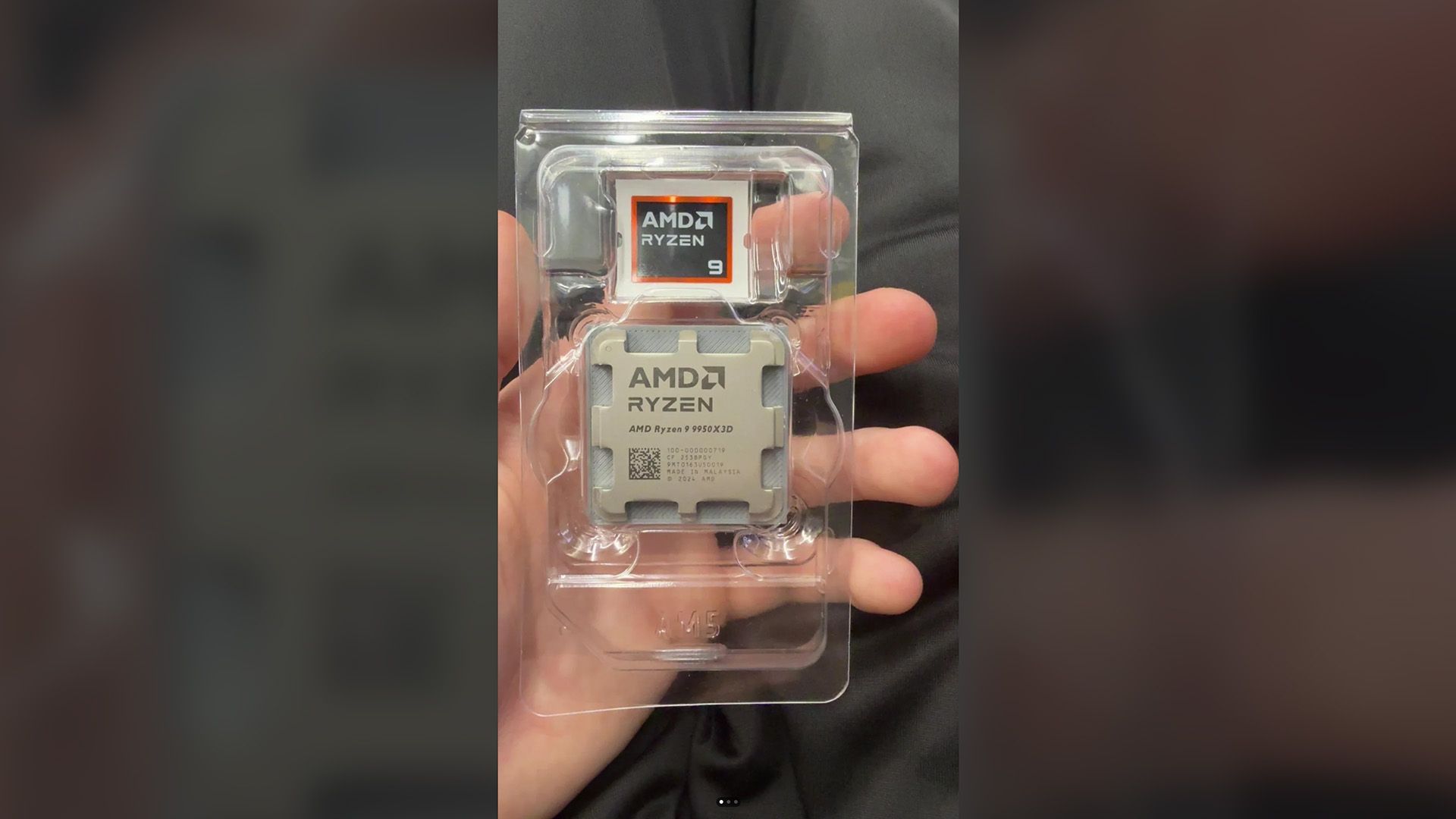

Amazon Warehouses Ship Fake Ryzen 9950X3D Chips
A user on the PCBuildHelp subreddit recently shared a cautionary tale that has sent shockwaves through the PC building community. After spotting a used Ryzen 9 9950X3D listed for just €163 (including VAT) at a local Amazon warehouse, the buyer jumped on what appeared to be the bargain of the decade. Given that the standard market value for this Zen 5 powerhouse sits closer to $659, the price gap was a massive red flag that many would-be builders might overlook in the heat of a "limited time" deal.
Upon arrival, the "processor" looked convincing at a glance. The scammer utilized a 3D-printed Integrated Heat Spreader (IHS) mounted onto a generic grey backplate. To the untrained eye—or a busy warehouse worker—the component looked legitimate. There was no actual silicon, no complex 4nm architecture, and certainly no 3D V-Cache. It was a hollow shell of plastic and paint designed specifically to bypass visual inspections during the return process.
Technical Red Flags in the AMD Used Market
The level of craftsmanship involved in this fraud is particularly alarming for the enthusiast community. The counterfeit IHS featured meticulously painted text and a QR code that mirrored the genuine Ryzen 9000 series branding. In the world of high-performance gaming, these chips are prized for their thermal efficiency and massive TFLOPS potential in multi-threaded workloads. By mimicking the physical footprint of the Zen 5 flagship, the scammer successfully exploited the automated and often superficial verification systems used by massive online retailers.
This is not an isolated incident involving high-end silicon. Previous reports have surfaced involving "Like New" open-box deals where a Ryzen 9 9900X3D was swapped for a much older Ryzen 9 3900X. While the 3900X is a functional CPU, it belongs to an entirely different architectural era, lacking the IPC gains and efficiency of the modern 4nm process. These "bait and switch" tactics rely on the hope that the buyer won't check the BIOS or physical markings until the return window has closed.
Scammers Exploit Amazon Return Policy Weakness
The core of the problem lies in the lenient return policies that have made Amazon a dominant force in e-commerce. While these policies protect legitimate consumers, they also provide a low-risk environment for bad actors. A scammer can purchase a genuine $659 Ryzen 9 9950X3D, swap it for a 3D-printed dummy, and return the "product" for a full refund. Because warehouse employees are often not trained to distinguish between a nickel-plated copper IHS and a painted plastic imitation, the fake item is placed back into the "Used - Like New" inventory for the next buyer.
The hardware fraud epidemic extends beyond CPUs. Reports have emerged of customers receiving fanny packs instead of flagship GPUs like the RTX 5090. This suggests a systemic vulnerability in how high-value electronics are handled within the logistics chain. When a component that should weigh several pounds and contain complex cooling arrays is replaced by a lightweight fabric accessory, it highlights a total breakdown in the verification process at the warehouse level.
Systemic Failures Impact High End Hardware Sales
For PC builders, the allure of the used market is often the only way to afford top-tier performance. However, the discrepancy between the €163 asking price and the actual performance capabilities of a 16-core Zen 5 chip should serve as the ultimate warning. If a deal seems too good to be true, it almost certainly is. The complexity of modern CPU architecture, featuring billions of transistors and specialized cache layers, cannot be replicated on the cheap.
Vigilance is the only defense. Enthusiasts are encouraged to film their unboxing process and perform immediate physical and software-based verification of any used component. Checking the IHS for laser-etched consistency and verifying the serial numbers against the manufacturer’s database can prevent a total loss. As scammers get better at 3D printing and paint matching, the community must rely on technical benchmarks and BIOS verification to ensure they are getting the TFLOPS they paid for.
Retailers will likely implement stricter serial number tracking at the point of return to combat the rise of 3D-printed counterfeits. Manufacturers may move toward more complex holographic security on the IHS itself to make physical imitation nearly impossible for hobbyist scammers. The used market will remain a high-risk zone until automated hardware authentication becomes a standard part of the secondary sales pipeline.
Frequently Asked Questions
How can I verify if my new Ryzen CPU is genuine?
Check the Integrated Heat Spreader for laser-etched text and scan the QR code to see if it matches the box serial number. You should also verify the CPU model in the BIOS or through software like CPU-Z immediately after installation.
Why is the Ryzen 9 9950X3D a target for scammers?
Its high market value and massive demand among gamers make it a lucrative item for "bait and switch" return fraud. The flagship status of the Zen 5 architecture ensures there is always a buyer looking for a discounted price.
Does Amazon offer protection against counterfeit hardware?
Yes, Amazon typically offers refunds for items that are "not as described," but the process can be difficult if the warehouse claims you returned the fake item. Always document the unboxing of high-value electronics to provide evidence for your claim.
Tags :
Confirmed details first, useful context second. This is the quickest path to the source trail and the next pages worth opening.
Source date: April 17, 2026