Alienware AW2726DM Drops Every Luxury Feature for One Critical Win
Alienware just stripped their newest OLED monitor down to the bone, removing features we have taken for granted for over a decade. It is a move that has hardware enthusiasts divided between those craving raw speed and those demanding a premium experience for their dollar. The AW2726DM arrives with a spec sheet that looks like a stripped-out race car—no radio, no air conditioning, just pure engine performance.
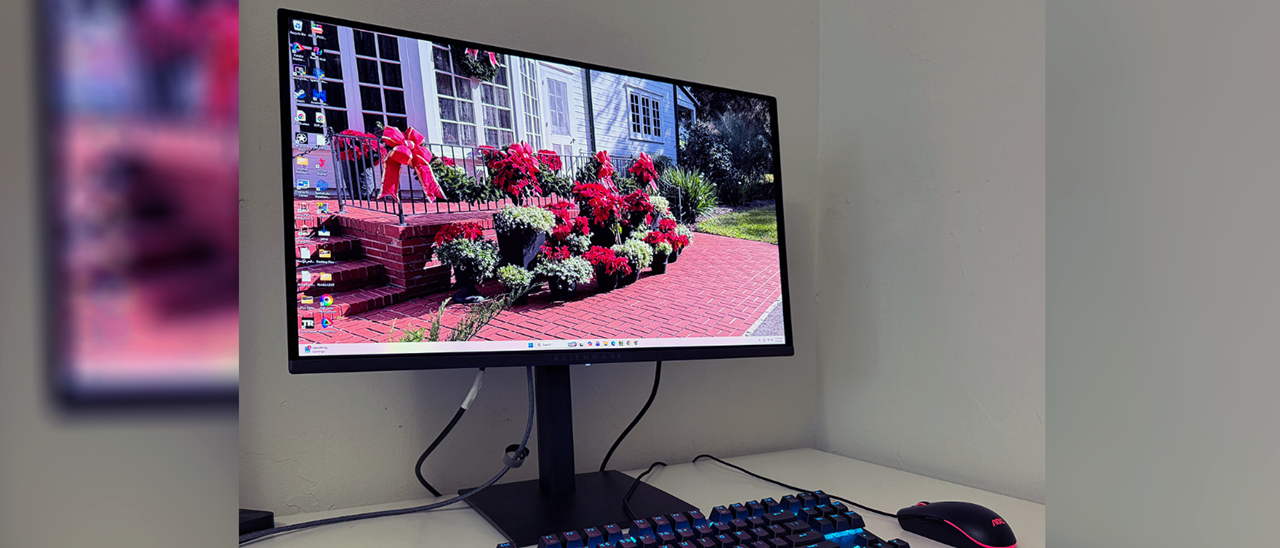
Why this matters: This shift signals a potential trend where manufacturers prioritize panel longevity and refresh rates over the "all-in-one" hub functionality that has bloated monitor prices for years.

Alienware AW2726DM Hardware Architecture Analysis
The core of the AW2726DM is its OLED panel, a technology that continues to dominate the high-end gaming space due to near-instantaneous pixel response times. While traditional IPS panels struggle to stay below 1ms GtG (Gray-to-Gray), this Alienware unit leverages the inherent speed of organic light-emitting diodes to hit 0.03ms. This is not just a marketing number; it represents a fundamental shift in how motion blur is handled at the hardware level. By removing the liquid crystal layer entirely, Alienware eliminates the "smearing" effect that haunts even the fastest 360Hz LCDs.
However, the internal architecture reveals where the cuts were made. The AW2726DM lacks a built-in USB hub, a feature that has become a staple for cable management in modern battlestations. From a technical perspective, omitting a USB controller and the associated internal wiring simplifies the PCB (Printed Circuit Board) design. This reduction in complexity can lead to higher reliability and lower electromagnetic interference within the chassis, but for the user, it means one more cable trailing back to the PC tower. For a premium brand like Alienware, this minimalist approach is a significant gamble on the consumer's willingness to sacrifice convenience for signal integrity.
Thermal Efficiency and OLED Panel Health
Heat is the primary enemy of OLED longevity, and Alienware’s decision to remove internal speakers and LED lighting is likely a thermal management strategy. Internal speakers contain magnets and voice coils that generate localized heat, while expansive RGB lighting arrays contribute to the overall ambient temperature inside the monitor housing. By stripping these away, the AW2726DM operates with a lower thermal profile, which is critical for preventing the degradation of the organic compounds within the pixels. Heat accelerates the "burn-in" effect where static UI elements leave permanent ghosts on the screen.
To mitigate these concerns, the AW2726DM includes a three-year burn-in warranty. This is the hardware manufacturer's way of standing behind their thermal engineering. In the world of high-performance displays, a warranty is as much a technical specification as resolution or TFLOPS-equivalent processing power. It suggests that the internal cooling—likely a custom heatsink or specialized airflow pattern—is robust enough to handle years of high-brightness gaming without the panel failing. For enthusiasts who have been burned by early OLED iterations, this warranty is the most important "feature" on the box.
Competitive Landscape for Alienware Displays
Alienware is positioning the AW2726DM against a crowded field of competitors from ASUS, LG, and Samsung. Most of these rivals lean heavily into the "lifestyle" aspect of gaming, offering massive RGB halos and integrated soundbars. Alienware's pivot toward a more utilitarian design suggests they are targeting the esports demographic where every gram of weight and every watt of power is scrutinized. In a competitive environment, a monitor that focuses entirely on its 1440p output and refresh rate consistency is often preferred over one that tries to be a Swiss Army knife.
The absence of LED lighting is particularly striking given Alienware's history with the "Legend" design language. Usually, their hardware is synonymous with customizable light zones. By removing these, they are effectively lowering the "RGB tax" that usually inflates the cost of high-end peripherals. This allows the budget to be redirected toward the panel's controller and the quality of the glass itself. It is a bold statement that says the brand is confident enough in its performance benchmarks to stop relying on aesthetic gimmicks to move units.
Warranty Protection and Consumer Value Strategy
The debate among gamers currently centers on whether a "barebones" monitor can truly be considered premium. When a display lacks a USB hub and speakers, the value-per-dollar calculation shifts entirely to the visual output. If the AW2726DM delivers superior color accuracy and motion clarity compared to a fully-featured rival at the same price point, the trade-off is logically sound for a PC builder. However, for a casual user who wants a clean desk with minimal cabling, these omissions might be a dealbreaker.
What this means for players: You are no longer paying for a "monitor-as-a-hub," but rather a specialized piece of optical equipment. This creates a clear divide in the market. Those who want a multipurpose display will look elsewhere, while those who want the most responsive 1440p experience may find the AW2726DM to be the most honest piece of hardware released this year. Alienware is betting that the "less is more" philosophy will resonate with a community that is increasingly tired of paying for features they never use.
Alienware is likely testing the waters to see if enthusiasts will trade lifestyle features for a lower MSRP and better thermal reliability. If the AW2726DM sells well, expect a new tier of "Performance-First" displays that ditch the RGB tax entirely. This could force competitors to offer similar "barebones" premium options, finally separating panel quality from peripheral convenience.
Frequently Asked Questions
Does the Alienware AW2726DM include a USB hub for peripherals?
No, this model specifically omits USB ports to simplify the internal architecture and focus on panel performance. Users will need to connect mice and keyboards directly to their PC or a separate hub.
What does the 3-year warranty actually cover?
The warranty explicitly includes coverage for OLED burn-in, which is a rare but significant concern for organic displays. This provides peace of mind for users who plan on long gaming sessions with static HUD elements.
Are there built-in speakers in this Alienware monitor?
The AW2726DM does not feature internal speakers, requiring players to use a dedicated headset or external sound system. This design choice helps reduce internal heat and maintains a slimmer chassis profile.
Tags : #Alienware #AW2726DM #OLEDMonitor #GamingGear #TechReview
Confirmed details first, useful context second. This is the quickest path to the source trail and the next pages worth opening.
Source date: April 14, 2026