AI's Structural Threat: Jobs, Politics, and Local Power Shifts
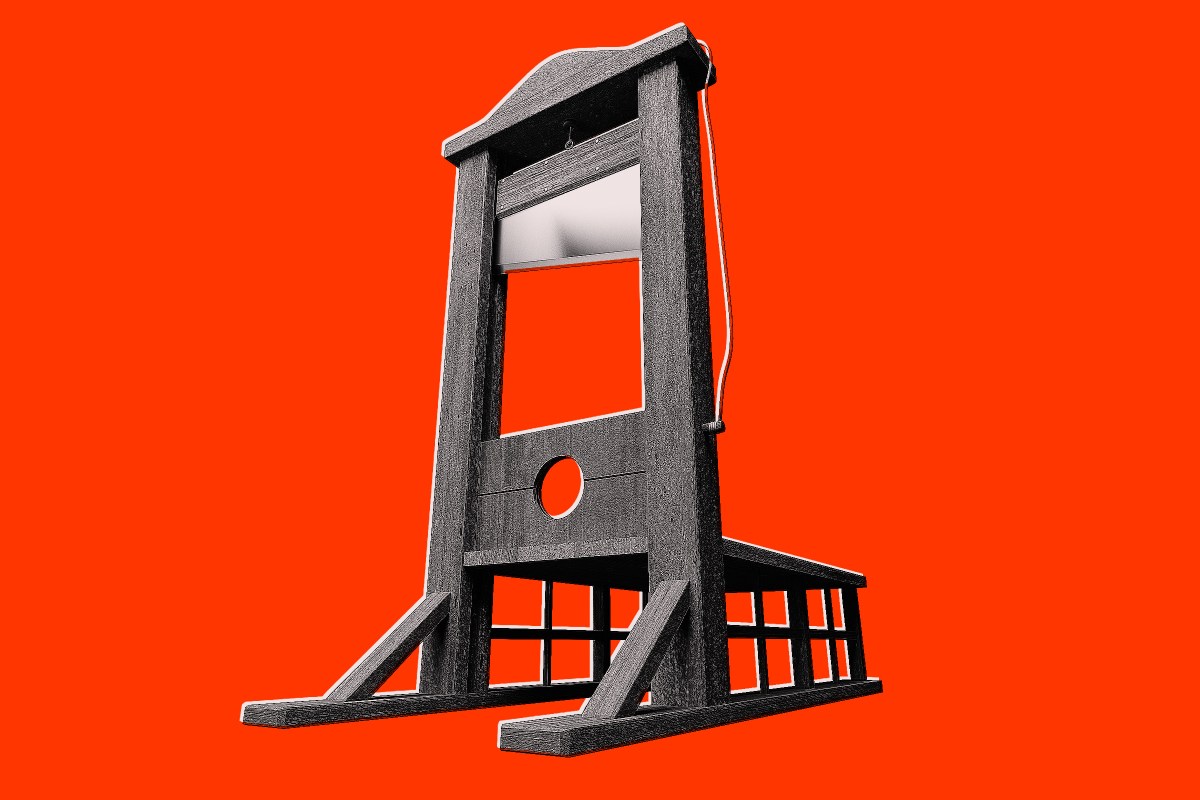
The industry's narrative has completely flipped. Just months ago, tech leaders were openly "bragging about the coming AI job apocalypse" to boost valuations. Now, the rhetoric has shifted to denial, creating a dizzying contradiction for anyone tracking the future of work.
What does this means for players: The underlying threat isn't just economic; it's a profound societal shift that could impact everything from digital infrastructure to local governance, fundamentally altering the landscape of tech adoption.
The sheer speed of AI development has raised serious questions about the nature of labor, leading experts to warn that the true danger might not be the code itself, but the resulting AI job displacement structural threat. This shift demands attention far beyond just job market forecasts.
The Growing Anxiety Over AI Employment
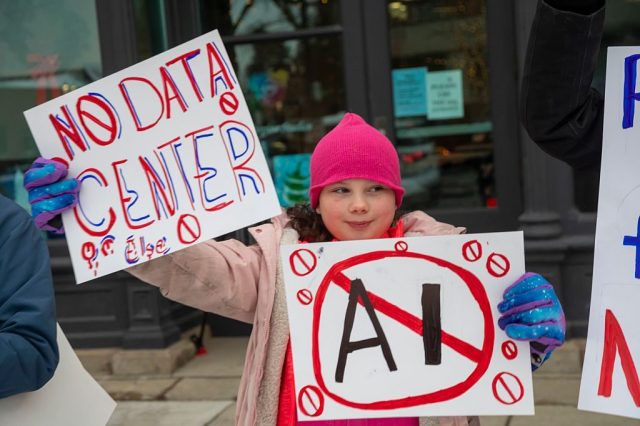
The fear is palpable. Surveys show that seven in ten Americans anticipate that AI will make finding work significantly harder. This anxiety has fueled a period of intense speculation about mass automation and its ultimate effect on the labor market.
However, the narrative hit a major snag recently. Industry figure Sam Altman, known for his previous bullish predictions, has publicly contradicted the idea of an inevitable job collapse. He stated that "jobs doomerism is likely long-term wrong."
This sudden pivot from predicting an "apocalypse" to minimizing risk highlights a critical tension. Is this genuine foresight, or is it corporate damage control designed to maintain investor confidence? The discrepancy itself speaks volumes about the urgency and the underlying structural instability the industry is facing.
AI's Link to Political Discontent
The most profound analysis suggests the threat isn't merely economic, but political. Political scientist Yannick Veilleux-Lepage argues that AI creates "structural conditions historically associated with the onset of political violence."
His analysis pivots away from simple job loss. He suggests the discontent stems from undemocratic tech practices. These practices include forcing massive data centers onto small towns without local consent, increased corporate surveillance, and massive government subsidies directed toward tech giants.
The focus of conflict, according to Veilleux-Lepage, may shift to local policymakers. Instead of fighting a faceless machine, the conflict risk moves to the individual officials who approve controversial tech projects. They become proxies for the deeper structural anger.
This perspective provides a critical AI structural threat analysis, showing that the real friction points are where technology meets local, unresponsive power structures. The concern is less about automation and more about who controls the infrastructure and the data.
Shifting Risks and Corporate Denial
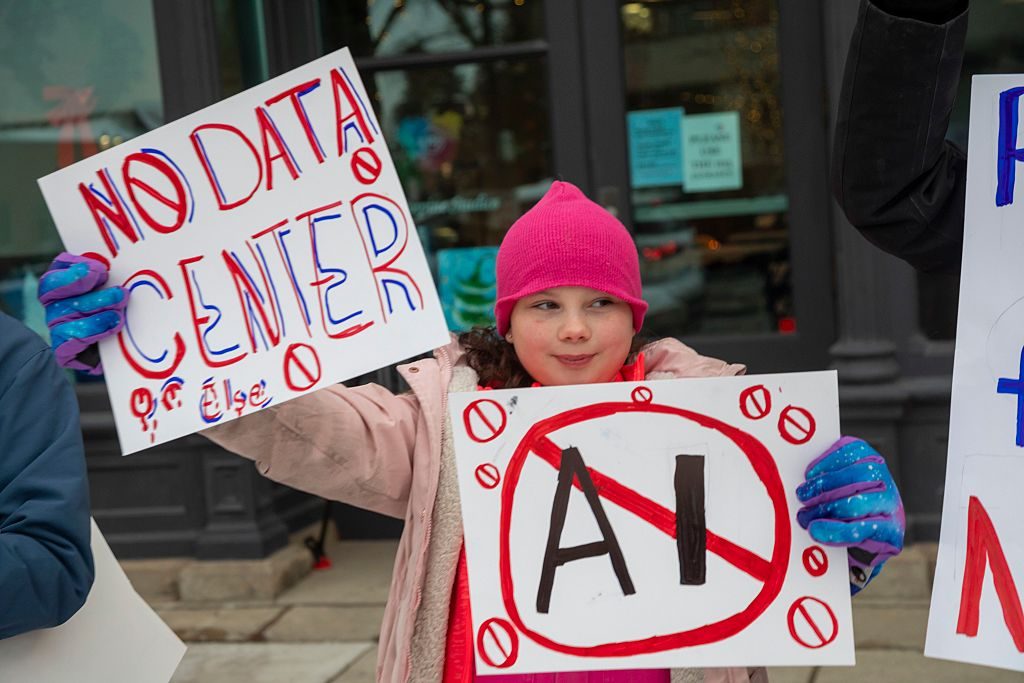
The warnings are getting sharper. Veilleux-Lepage warns that the primary risk may move from the academic research lab to the local substation and the municipal planning board. The corporate focus is on hardening security, which inevitably raises the stakes for local governance.
The contradiction between the academic warning and corporate messaging is stark. Sam Altman’s recent social media statement minimizing job loss risk occurred shortly after his San Francisco estate was targeted by an individual described as angry. This incident underscores the volatile link between technological advancement and public unrest.
The growing concern is that the potential for mass unemployment social upheaval is being dangerously downplayed by the industry leaders who stand to profit the most from the current rapid adoption curve.
The immediate future suggests a rapid escalation of localized policy battles. Expect increased scrutiny on the power grid and data center placement in non-urban areas.
Furthermore, the gap between corporate rhetoric and grassroots reality will likely widen, turning political dissent into a more visible, actionable force.
Policymakers will soon be forced to address the social contract regarding AI, moving beyond mere economic impact to questions of data sovereignty and local control.
Frequently Asked Questions
What is the primary risk of AI automation?
The primary risk is not just job loss, but the structural destabilization of local governance and infrastructure due to concentrated corporate power.
How does AI affect local communities?
AI requires massive data centers, which can strain local power grids and water resources, leading to conflicts over resource allocation in small towns.
Should I worry about my job right now?
While job displacement is a concern, the deeper issue is the need for policy changes—like regulating data center placement—rather than just individual skill updates.
Confirmed details first, useful context second. This is the quickest path to the source trail and the next pages worth opening.
Source date: May 15, 2026