Microsoft’s Next-Gen Helix Console Hits a Trillion-Dollar AI Wall
Microsoft is building a monster, but it might be too powerful for its own good. The rumored Microsoft Helix isn't just another iterative step in the console wars; it is a high-end PC masquerading as a sleek box under your TV, designed to deliver the kind of performance usually reserved for $3,000 enthusiast rigs. However, a massive internal conflict is brewing at Microsoft that could stall the machine before it even reaches the assembly line.
What this means for players: The dream of 4K native gaming at 120fps with full path-tracing is real, but your ability to actually buy the hardware is being threatened by the very same AI revolution Microsoft is leading. The primary concern is that the AI Infrastructure Squeeze Threatens the viability of consumer hardware as data centers strip-mine the global supply of high-end components.
Microsoft Helix Faces Sudden Market Turbulence
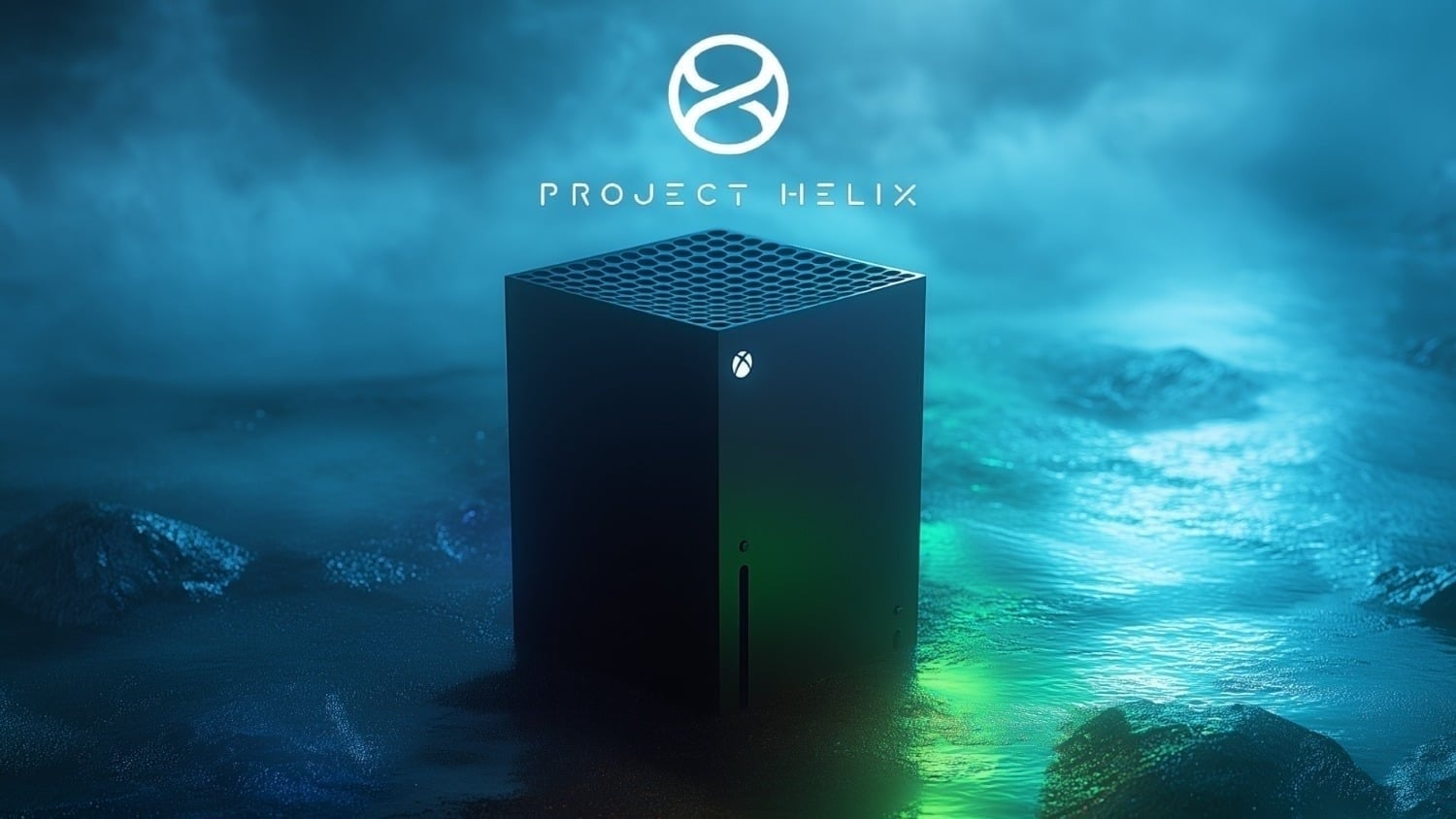
The roadmap for the next-gen Xbox Gaming Console was once set in stone, but the ground is shifting. Xbox CEO Asha Sharma and Chief Content Officer Matt Booty have recently pivoted to a stance of extreme caution, backing away from firm release windows or pricing commitments. This isn't a lack of confidence in the engineering; it’s a reaction to a global DRAM and chip shortage that is rewriting the rules of hardware manufacturing.
Project Helix is currently caught in a pincer movement of supply chain volatility. While the engineering teams have finalized a design that could revolutionize the industry, the procurement teams are staring at a market where silicon is becoming a luxury good. Microsoft is reportedly hesitant to lock in a price point because the cost of manufacturing a single unit in 2025 could be double what it was projected to be just eighteen months ago. If the market doesn't stabilize, the "most powerful console ever" might also become the most delayed.
Azure AI Demand Cannibalizes Xbox Hardware
The most biting irony of the current situation is that Microsoft is its own worst enemy. The global memory market is enduring a structural crisis because silicon wafer capacity is being permanently reallocated toward high-margin AI infrastructure. Every high-bandwidth memory module that goes into an Azure AI server is one less module available for the next-gen Xbox Gaming Console Project Helix.
This internal conflict of priorities is creating a "civil war" within Microsoft’s procurement divisions. The aggressive expansion of Azure AI infrastructure is directly contributing to the DRAM shortage, effectively starving the gaming division of the parts it needs to build the Helix at scale. When a single AI server rack generates more revenue in a month than a thousand consoles do in a year, it’s easy to see why the gaming hardware is being pushed to the back of the line. The AI Infrastructure Squeeze Threatens not just the launch date, but the very technical specifications of the console itself.
Economic Impact and Market Positioning

We saw the first tremors of this crisis in early 2026, when consumer RAM prices inflated by a staggering 110% in a single quarter. SSD prices followed suit, causing a frantic scramble among PC manufacturers and hardware partners. For Microsoft, this Economic Impact and Market Positioning represents a massive gamble. They are aiming for a launch price of roughly $1,000 to $1,200—a record-breaking figure for a console—but even that might not be enough to cover the surging costs of the specialized hardware required to match a $3,000 gaming PC.
Despite the volatility, the vision for Project Helix remains uncompromising. Leaked internal documents suggest a machine that utilizes advanced AI upscaling and dedicated ray-tracing cores that outperform anything currently on the market. Microsoft wants to bridge the gap between the casual console experience and the "money-is-no-object" PC enthusiast. But as the cost of raw materials continues to climb, the question isn't just whether Microsoft can build the Helix, but whether the average gamer can afford to buy into Microsoft's vision of the future.
The next twelve months will be a game of chicken between Microsoft’s gaming ambitions and its AI-driven bottom line. If the DRAM shortage persists, we may see a "soft launch" with extremely limited quantities or a significant revision of the internal specs to lower costs. Either way, the era of the $500 flagship console appears to be dead, replaced by a high-stakes race for silicon dominance that favors the cloud over the living room.
Frequently Asked Questions
When is the Microsoft Helix release date?
While Microsoft has not confirmed a specific date, internal reports suggest a potential delay beyond 2026 due to the ongoing AI infrastructure squeeze and DRAM shortages.
How much will the Project Helix console cost?
Leaked specifications suggest a launch price between $1,000 and $1,200, positioned to compete with high-end gaming PCs worth nearly triple that price.
Why is AI affecting the next Xbox?
Microsoft is prioritizing silicon and DRAM for its Azure AI servers, which creates a shortage of components needed to manufacture the high-performance Helix console.
The Microsoft Helix will likely undergo a significant hardware revision before it hits retail shelves to mitigate the soaring costs of high-bandwidth memory. Expect Microsoft to lean heavily into cloud-hybrid features to offset physical hardware limitations if the silicon squeeze doesn't ease by 2027. Ultimately, the success of this console depends on whether Xbox can convince its audience that a $1,000 entry fee is the new standard for "true" next-gen gaming.
Confirmed details first, useful context second. This is the quickest path to the source trail and the next pages worth opening.
Source date: April 27, 2026