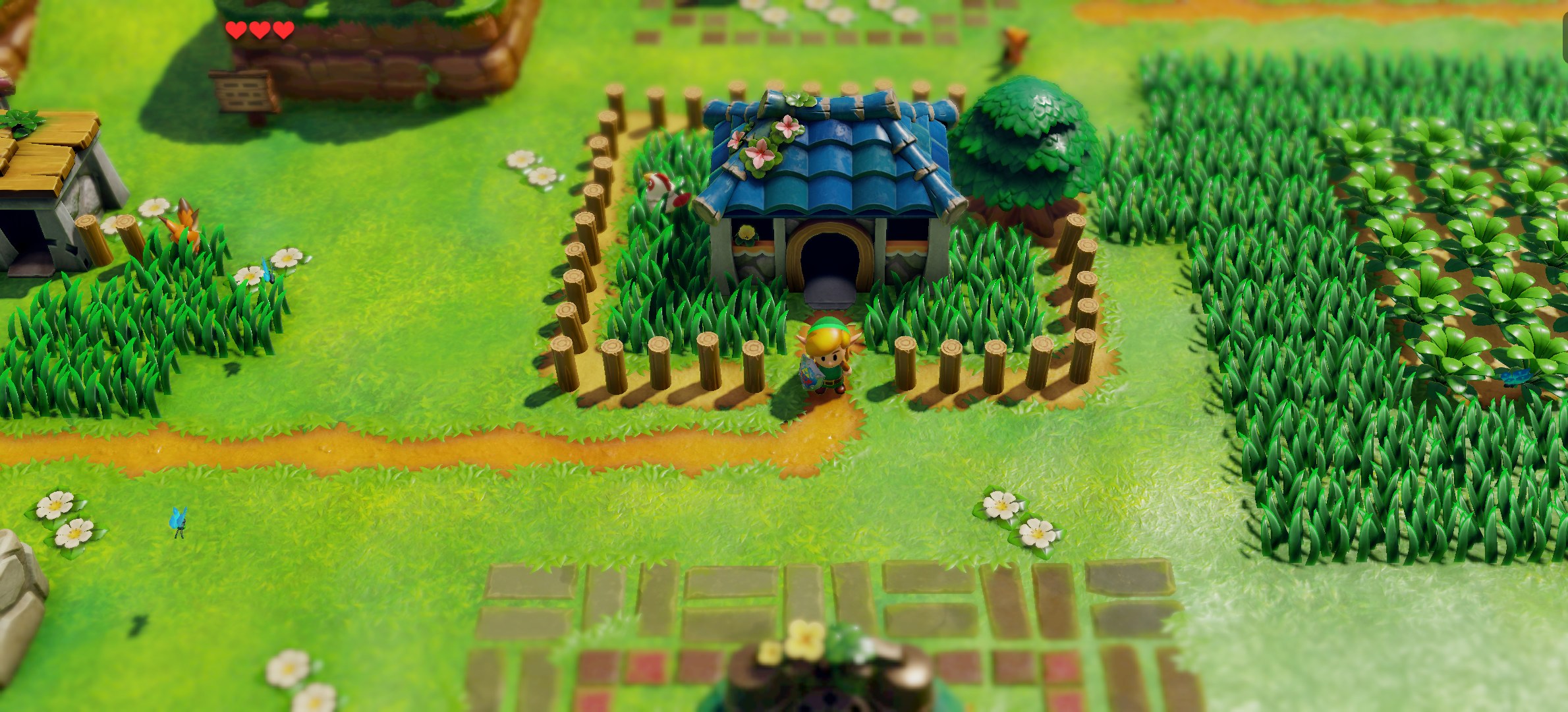
LAS Recomp Beta 6 has arrived with a milestone that goes beyond a typical mod update: the unofficial native version of The Legend of Zelda: Link's Awakening now supports Android phones and iPhones/iPads. Published on November 15, 2026 at 06:35 UTC, the release also brings a more capable randomizer, performance settings and interface changes. It is not a Nintendo release, and the fan project does not provide the game's files.
Android and iOS are new, but the setup differs
For Android, Beta 6 provides an APK. The game code is translated and built on the player's device the first time it runs, according to the developer's release notes. The Android version supports editable touch controls, custom Vulkan drivers on eligible Adreno GPUs and placing the app's data folder on an SD card. Those are practical additions for devices where touch input, storage and graphics drivers can make or break the experience.
iPhone and iPad users have a different task ahead. They must create an iOS app from their own extracted game files on a Windows, Linux or Mac computer before installing it on their device. The process involves sideloading, not the App Store, and device eligibility matters. The README lists iOS 16.4 or later and particular supported device families, as well as additional storage and memory requirements. Anyone interested in trying it should read those requirements first rather than assuming any iPhone can run the port.
LAS Recomp translates the game's code into a native application. That is distinct from emulating an entire Nintendo Switch environment. The release contains no Nintendo game code, artwork or data: users need files from their own legitimately obtained copy of a supported game version. The developer deliberately does not provide game-download instructions.
New performance options demand realistic expectations
Beta 6 adds experimental frame generation aimed at smoother motion above 60 FPS. It is off by default, and it does not guarantee a higher underlying simulation rate. Players can also tune shadow quality and ambient occlusion, while an expanded performance HUD exposes frame times, rendering workload, memory use and shader compilation information.
Dynamic resolution now has a dedicated on/off switch, an FPS target and a minimum resolution. The developer says the updated system responds more smoothly to the changing demands on phones and handhelds, and that Arm graphics performance and initial compilation time are improved. These are project claims, not independently measured performance results for every GPU. Real results will depend on driver support, CPU/GPU capability, sustained heat and the particular scene.
Several Vulkan crashes and hangs affecting Intel, AMD, Mali and Adreno drivers are also listed as addressed. Other fixes target a graphics-driver memory leak, missing textures on systems without particular compressed formats, and a macOS menu crash. Desktop owners therefore have reasons to read the new release notes even if they never intend to use a phone.
More room for replaying Koholint Island
The built-in randomizer is getting just as much attention as the new platforms. Beta 6 introduces weather changes, including blizzards and lightning, extra item-placement possibilities and many fixes for shuffled dungeon-room logic. New options affect apples, liftable rocks, key placement and dungeon entrances. For returning players, these are gameplay changes, not just prettier menus.
The redesigned in-game interface brings settings, the randomizer, warps, a save editor and other utilities into one menu. It has more straightforward controller navigation, some live previews and translated screens. The developer also added configurable button prompts, text-speed options, a Hookshot directional-assist option and settings for when the game loses focus.
The combination is significant: a native port is much easier to recommend when basic controls and setup feel approachable, not merely when a benchmark climbs. Still, some randomizer combinations remain experimental. The project warns that rare seeds might be impossible to complete, so treating every new feature as fully polished would be premature.
The limitations players should know
The official README continues to call this a beta, with possible crashes, graphics problems and randomizer issues. Some experimental Arm builds are hosted separately from the normal downloads. Players moving from an older version should protect their saves and consult the maintainer's upgrade guidance.
The author also openly states that most of the project's code and documentation were produced with AI coding assistance under human direction and testing. That transparency matters when a complex reverse-engineering project grows quickly across platforms. It does not prove that the new versions are unsafe, but it is an additional reason to consult documented bugs before treating an experimental build like a finished commercial port.
For Android-handheld and iPhone owners, this is a real new platform milestone, not another speculative mock-up. It is equally important to say what Beta 6 does not establish: universal device compatibility, independent performance gains or Nintendo endorsement. Start with the original Beta 6 announcement, check the supported hardware and your own game data, and approach the new features as beta software.
Source date: November 15, 2026