Imagine a card game where a single hesitation in a 60-second window doesn't just lose you the round—it ends your story. This is the high-stakes reality of the latest venture from the creative mind behind some of Japan’s most iconic modern hits.
Yosuke Shiokawa, the former creative director who steered Fate/Grand Order and Dissidia: Final Fantasy to global dominance, is pivoting away from massive rosters and endless gacha cycles. His new independent studio, 213℉, has officially pulled back the curtain on Lunar Pulse, a title that strips away the bloat of traditional CCGs in favor of raw, lightning-fast execution. What this means for players is a shift from the slow, methodical planning of Slay the Spire to a frantic, reflex-driven experience where strategy must be instinctive.
Yosuke Shiokawa Redefines High-Speed Duels
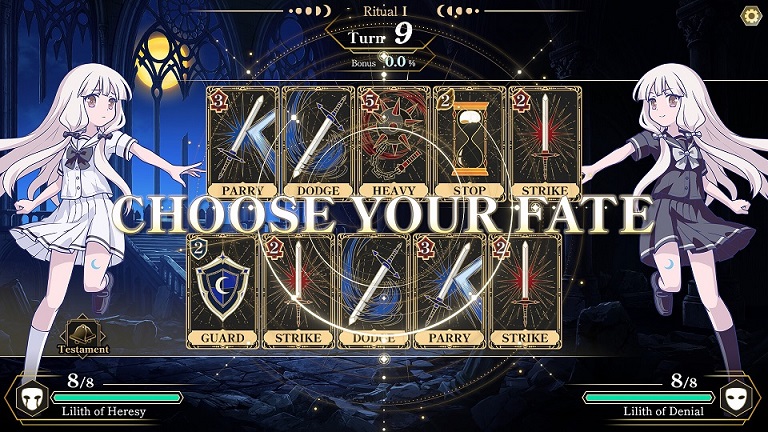
The announcement of Lunar Pulse marks a significant departure for Shiokawa. While his previous work focused on long-term player engagement through massive narratives and collectible heroes, this new project is a razor-focused single-player roguelite. Set for a 2027 release on PC via Steam, the game is built around the concept of "ultra-short" combat. We aren't talking about five-minute rounds here; we are talking about life-or-death duels that resolve in approximately one minute.
The mechanical heart of this roguelike card game is a tight, 15-card deck. In an industry where "more is better," 213℉ is betting on the opposite. With only five cards in your hand at any given time, the margin for error is non-existent. You won't have time to ponder your next three turns. Instead, you are forced to react to your opponent’s intent in real-time, making the speed combat feel more like a fighting game than a traditional tabletop simulator. Every card played is a commitment to a specific rhythm.
The combat system utilizes four primary card types: Strike, Dodge, Parry, and Guard. It is a sophisticated evolution of rock-paper-scissors, but played at a tempo that rewards muscle memory as much as tactical foresight. If you misread a witch’s "Strike" and fail to "Parry" or "Dodge" within that 60-second window, the run ends. It’s a brutal loop designed to keep players in a state of constant flow, where the only way forward is through total mastery of the 15 cards you’ve chosen to carry into the ritual.
Lilith of Heresy Faces Deadly Witch Rituals

The narrative framing of Lunar Pulse is just as sharp as its gameplay. Players take on the role of Lilith of Heresy, a protagonist thrust into a lethal ritual where she must challenge twelve other witches. This isn't a friendly tournament. It is a series of 1-on-1 duels where the loser faces permanent consequences. The aesthetic leans heavily into the dark, stylized fantasy that Shiokawa’s fans have come to expect, but with a grittier, more personal focus than the world-ending stakes of Fate.
Because the battles are so short, the game places a heavy emphasis on the journey between them. As a roguelite, each run will offer different card upgrades and tactical choices, but the core objective remains static: survive the twelve witches. This structure allows for a high degree of replayability, as players experiment with different deck builds to counter specific witch archetypes. Some witches might favor aggressive "Strike" spamming, while others may hide behind "Guard" and "Parry" mechanics, waiting for the 60-second clock to pressure you into a mistake.
This focus on individual duels creates a sense of intimacy. You aren't fighting a generic horde; you are fighting named characters with specific motivations and combat styles. By the time you reach the final witch, the 15 cards in your deck will feel like an extension of your own hands. This level of intimacy is rare in the genre, which often favors broad variety over deep, specific mechanical familiarity.
Lunar Pulse Demands Narrative Mastery
Perhaps the most intriguing aspect of the new project is how it handles its story. Shiokawa has revealed that Lunar Pulse features multiple branching endings, but with a twist. To fully piece together the narrative of the game, players are required to experience every single available ending. This meta-progression suggests that the "true" story of Lilith and the ritual isn't found in a single playthrough, but in the collective knowledge gained across dozens of failed and successful runs.
This design choice elevates the game beyond a simple mechanical challenge. It turns the act of playing into a detective mission, where every "Game Over" or alternate ending provides a new fragment of the world's lore. Why is the ritual happening? Who are these twelve witches? What is the true nature of Lilith’s heresy? These questions are the breadcrumbs that will drive long-term player engagement, ensuring that the 2027 release is more than just a momentary distraction.
By tying narrative completion to mechanical mastery, 213℉ is creating a feedback loop where getting better at the game is the only way to understand it. It’s a bold move that respects the player's intelligence and time. In an era where many games provide "skip" buttons for their stories, Lunar Pulse makes the story the ultimate prize for those who can survive the heat of speed combat.
The long development cycle leading to 2027 suggests that 213℉ is taking the time to polish the balance of these 60-second encounters to perfection. If the studio can nail the tension between the ticking clock and the 15-card deck, they may set a new standard for the genre. Expect Lunar Pulse to become a staple for players who crave high-intensity strategy without the time commitment of traditional card games. This project likely signals a broader industry trend toward "bite-sized" hardcore experiences that fit into the increasingly crowded schedules of modern gamers.
Frequently Asked Questions
When is the Lunar Pulse release date?
Lunar Pulse is currently scheduled for a global release on PC via Steam in 2027.
Who is the developer of Lunar Pulse?
The game is being developed by the Japanese studio 213℉, led by former Fate/Grand Order creative director Yosuke Shiokawa.
What makes the combat in Lunar Pulse unique?
It features ultra-short 1-on-1 card duels lasting only 60 seconds, requiring players to use a 15-card deck to strike, dodge, and parry in real-time.
Confirmed details first, useful context second. This is the quickest path to the source trail and the next pages worth opening.
Source date: April 28, 2026