Xbox's Multiplatform Strategy: Clarity or Confusing Concession?
The messaging from Xbox has been nothing short of contradictory. One moment, the company is pushing a seemingly open-source, multiplatform future; the next, the fan base screams for the iron curtain of traditional exclusivity. Where does this leave the Xbox brand, and what does this mixed signal mean for players?
What this means for players: The industry's biggest players are forcing a critical choice, and Xbox appears to be navigating the tightrope between universal accessibility and protecting its core identity. For the millions of players following the console wars, the answer is complicated, suggesting the company is testing the limits of its ecosystem.
Key Takeaways
- Xbox confirmed it will maintain transparency by displaying competing platform logos for first-party titles.
- This commitment to multiplatform support drew immediate criticism, suggesting a lack of faith in the Xbox ecosystem.
- Fan demand for true, traditional exclusives remains overwhelming, highlighted by the massive upvotes on player feedback forums.
The conflicting signals have dominated industry conversation, raising questions about the future roadmap for titles like *Fable* and the long-term value of the console ecosystem. The need to understand the nuances of the Xbox multiplatform strategy explained has become paramount for every gamer.
Platform Logos: Transparency or Strategic Retreat?
In a move that has drawn both praise and intense skepticism, Xbox has reaffirmed its commitment to platform transparency. During recent showcases, the company confirmed it will continue to clearly display logos for competing consoles and platforms—like the PS5, Switch 2, and PC—whenever a first-party game is confirmed to be released elsewhere. This was a clear statement of intent, backed by Matt Booty, who emphasized that Xbox will maintain this precedent of clarity at future events.
The company’s CEO, Asha Sharma, didn't shy away from the backlash. She acknowledged the negative reaction to the logo display, calling it a "miss." While she previously mentioned adopting a "data-driven approach" for strategic decisions, her ownership of the feedback suggests the company is actively monitoring the emotional, rather than just the financial, impact of its messaging.
For many observers, this commitment to displaying competitor logos is interpreted as a necessary concession. It signals an attempt to build goodwill by admitting that its titles are not inherently locked down. However, this transparency is fueling the narrative that the company might be struggling to sell the overall value proposition of the Xbox ecosystem.
Xbox Exclusives on PS5 and Switch Are They Dead?
The multiplatform pivot immediately drew criticism from industry voices, including podcaster Colteastwood. He argued that the visible commitment to third-party platforms signaled a "major lack of confidence" in the breadth of the Xbox ecosystem—encompassing the console, cloud services, PC, and handheld devices. It paints a confusing picture of a company that wants to be everywhere, but maybe nowhere exclusively.
The core tension remains the enduring fan demand for true exclusivity. The Xbox Player Voice feedback portal provides a vivid snapshot of this sentiment, with the most popular thread—demanding a return to traditional exclusives—accumulating tens of thousands of upvotes. Fans are rejecting the idea of a fully open strategy if it means sacrificing unique, console-defining experiences.
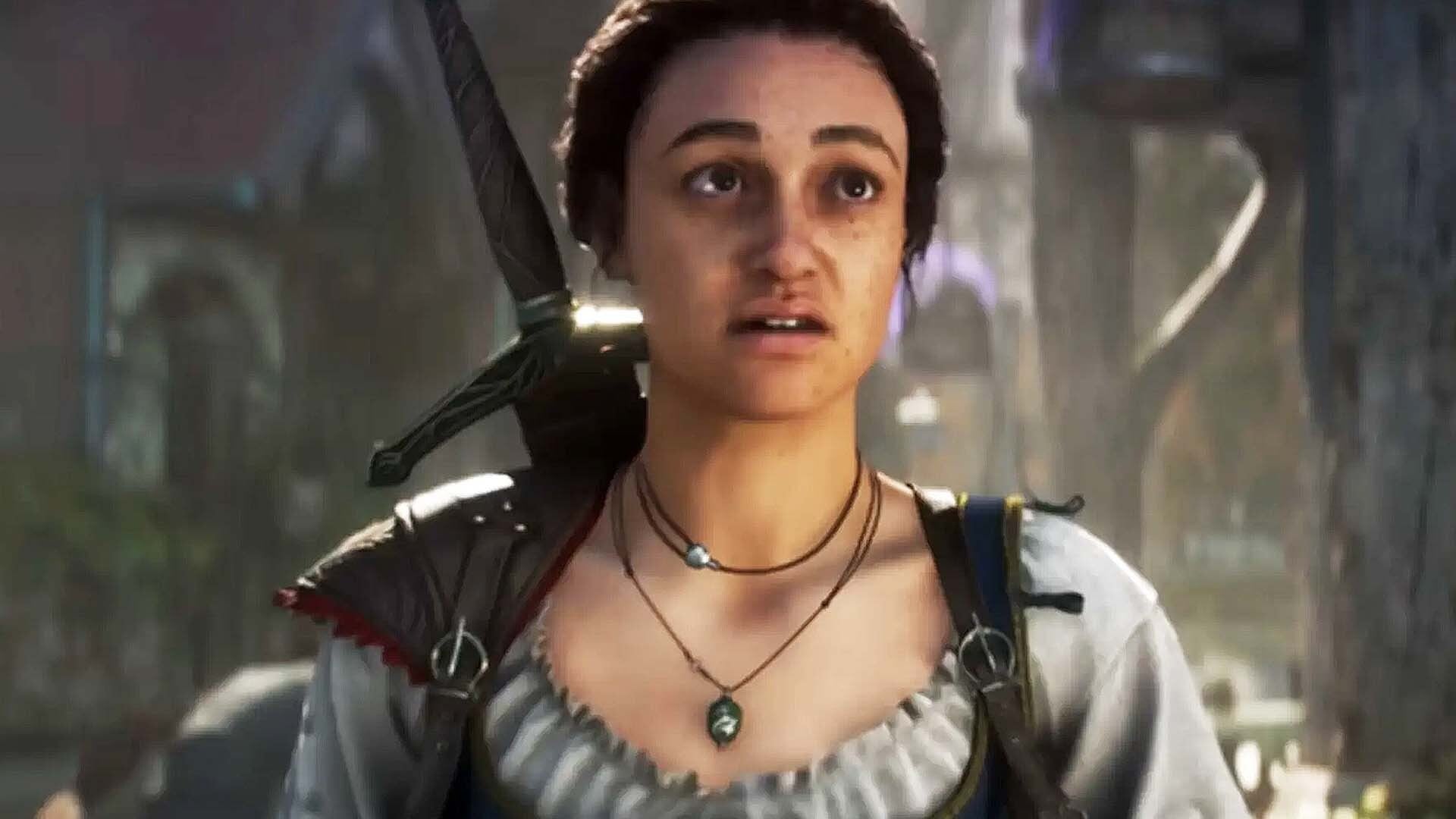
The current portfolio of titles perfectly illustrates this mixed approach. *Fable* is confirmed as multiplatform, embracing the open model. Conversely, titles like *Forza Horizon 6* are marketed as timed exclusives, and *Gears of War: E-Day* remains confirmed only for the Xbox Series X/S and PC. This uneven rollout means the definition of "exclusive" is currently more about a time limit than a platform lock.
What Does the Mixed Messaging Mean for Players?
The confusion surrounding the Xbox multiplatform strategy explained comes down to one thing: the company is prioritizing market reach over brand rigidity. By making its titles available across more hardware, Xbox maximizes its potential user base, ensuring that a *Fable* title, for example, can be accessed whether the player owns a PS5 or a Switch.
This shift is fundamentally changing the competitive landscape, making the traditional comparison between Xbox Series X vs PS5 games much harder. If a blockbuster title can exist on multiple platforms, the incentive for a player to choose one console over another diminishes. The focus shifts from "which console has the best game?" to "which service offers the best overall value?"
Ultimately, the company's decision to be transparent about its logos is a tactical move designed to mitigate the backlash of perceived secrecy. It’s a pragmatic, if confusing, effort to prove that its commitment to quality games outweighs its need to maintain a fortress of exclusivity. The long-term success of this approach hinges entirely on whether the quality of the games can overcome the noise of platform availability.
Frequently Asked Questions
Is Xbox abandoning its exclusive identity?
Not necessarily, but the company is prioritizing reach. While some titles will be multiplatform, high-profile IPs like *Gears of War* still maintain a strong console/PC focus to protect core brand identity.
Does the multiplatform strategy affect performance?
Generally, no. Performance optimization is key, and while the platform might change, the goal is to deliver a consistent, high-fidelity experience whether played on a console or PC.
How does this compare to other console strategies?
It differs from the traditional 'walled garden' model by embracing open competition. This aims to attract players who are hesitant to commit to a single console ecosystem.
The next few quarters will be crucial for Xbox. If they can successfully prove that the quality and depth of their multiplatform titles can generate viral buzz, the confusion surrounding their strategy will dissipate. However, if the mixed messaging continues, the company risks losing the dedicated, die-hard fanbase that has historically driven the console wars.
The market will now heavily scrutinize the financial returns of multiplatform titles versus the perceived loyalty of exclusive launches. Xbox will need to demonstrate that its core cloud and PC services can function as a unified, superior ecosystem. Failure to clearly define the unique value of the Xbox brand beyond its game library could lead to significant long-term market share erosion.
Confirmed details first, useful context second. This is the quickest path to the source trail and the next pages worth opening.
Source date: May 31, 2026