Microsoft is fundamentally restructuring its gaming ecosystem with a series of drastic changes to the Xbox Game Pass service. Announced in April 2026, this overhaul marks a significant pivot in how the company approaches its subscription model, balancing a surprising price decrease against the removal of one of its most anticipated day-one perks.
What this means for players: The service is trading its biggest annual day-one blockbuster for a more accessible entry price, fundamentally changing the value proposition for those within the Xbox and PC ecosystems. While the library remains vast, the exclusion of the latest military shooter from the day-one lineup suggests a new era for the platform's strategy.
The April 2026 Microsoft Price Shakeup

In a move that caught many by surprise, Microsoft confirmed a price decrease for Xbox Game Pass in April 2026. In an industry where subscription costs typically trend upward, this reduction serves as a major incentive for new users to join the service or for lapsed members to return. The price adjustment is part of a larger effort to redefine the service's tiers and ensure it remains competitive in a crowded market.
The price drop arrives alongside a broader re-evaluation of what a subscription should provide. While the lower cost is a welcome relief for budget-conscious gamers, it accompanies a shift in content delivery that may change how players view the service's long-term value. Microsoft appears to be prioritizing a lower barrier to entry over the inclusion of every single high-budget title at launch.
New Call of Duty Launch Strategy Shift
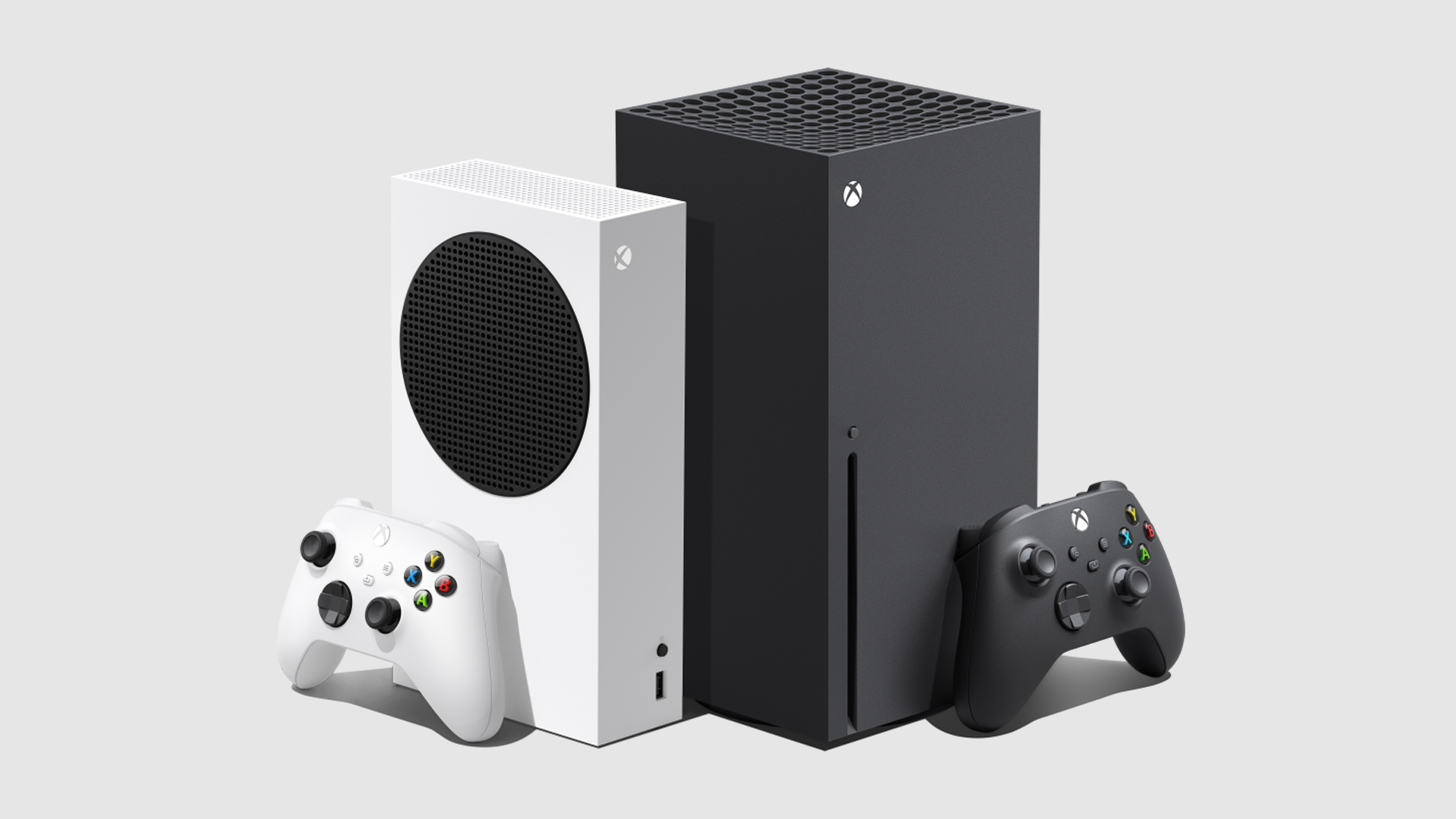
Perhaps the most significant change announced for 2026 is the confirmation that new Call of Duty games will no longer launch directly into the Game Pass service on day one. For years, the promise of playing the biggest Xbox games on their release date was the primary selling point for the subscription. Call of Duty, being one of Microsoft's most massive franchises, was expected to be the crown jewel of this strategy.
Impact on Day-One Launch Expectations
The removal of Call of Duty from the day-one lineup represents a major departure from previous marketing promises. Previously, the key draw to Game Pass was the guarantee of immediate access to first-party blockbusters. By pulling back on this specific franchise, Microsoft is signaling that some titles are now considered too large or too valuable to be included in the standard subscription fee at launch.
This decision creates a new dynamic for fans of the franchise. While the library still offers a comprehensive collection of titles across various genres, those looking to play the latest Call of Duty on day one will now need to look outside the standard Game Pass subscription. This change highlights a growing distinction between general first-party titles and the industry's most massive commercial hits.
Navigating the Xbox Game Pass Library Tiers

Despite the changes to the day-one lineup, Xbox Game Pass remains a robust service offering access to a library of both first-party games from Microsoft and a variety of third-party titles. The service is designed to be a comprehensive collection, catering to a wide selection of genres including action, role-playing, and strategy games. Understanding how these tiers work is essential for players looking to upgrade their current membership.
Third-Party Rotations and First-Party Access
The library is not static; games come and go with a predictable rhythm. According to the April 2026 update, additions and removals normally happen twice per month. This ensures that the catalog remains fresh, though it also means players must stay informed about which titles are leaving the service to ensure they finish their favorite games before they depart.
While Call of Duty has seen a shift in its release strategy, many other first-party titles are still expected to follow the traditional day-one release model. The service continues to serve as the primary home for Microsoft’s internal studios, providing a platform for both experimental indie projects and established franchises to find a wide audience immediately upon release.
Multi-Device Support for Xbox Cloud Gaming
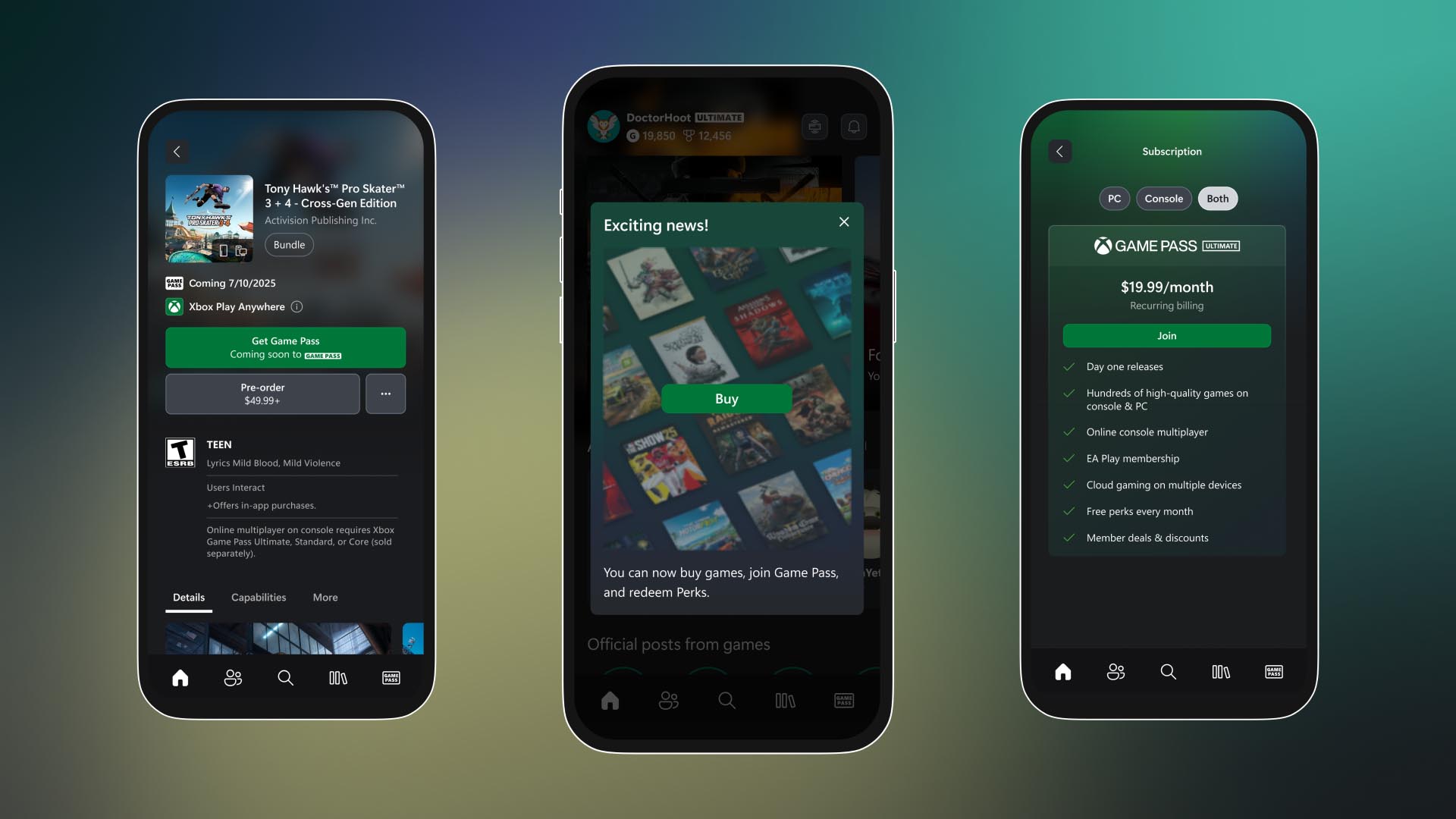
One of the most versatile aspects of the service is its broad hardware compatibility. Xbox Game Pass is not limited to a single console; it can be accessed on PC, Xbox Series X|S, and the older Xbox One hardware. This cross-generational support ensures that players who have not yet upgraded to the latest consoles can still enjoy a massive library of modern titles.
Furthermore, the service leverages cloud technology to expand its reach beyond traditional gaming hardware. Compatible devices like phones and tablets can access the library through the cloud, allowing for high-end gaming experiences on the go. This flexibility is a core component of the 2026 strategy, ensuring that the price decrease reaches the widest possible audience across mobile and desktop platforms.
Microsoft's decision to pivot away from day-one Call of Duty releases signals a major shift in how the company values its individual software sales versus subscription numbers. This new pricing structure suggests that the service is entering a retention phase where affordability outweighs the need for every single first-party title to be included at launch. Expect further refinements to the library's rotation frequency as Microsoft balances its massive portfolio across Xbox and PC platforms.
Frequently Asked Questions
Are new Call of Duty games coming to Game Pass on day one?
No, as of the April 2026 update, Microsoft has confirmed that new Call of Duty games will no longer launch into the service on their release day.
What devices can I use to play Xbox Game Pass?
The service is available on PC, Xbox Series X|S, Xbox One, and compatible mobile devices or tablets via cloud gaming.
How often are new games added to the Game Pass library?
New games are added to the service and others are removed on a regular basis, typically occurring twice per month.
Confirmed details first, useful context second. This is the quickest path to the source trail and the next pages worth opening.
Source date: April 21, 2026