Ever wonder how a critically acclaimed RPG sequel comes to be, especially when its lead designer never planned on the role? That's the fascinating story unfolding at Warhorse Studios, the Czech developer behind the beloved *Kingdom Come: Deliverance* series. Their design philosophy, driven by unexpected leadership and a love for "systemic weirdness," is creating waves.
Prokop Jirsa, the lead designer for *Kingdom Come: Deliverance 2*, embodies this unpredictable journey. He joined Warhorse Studios in 2014 as a 'Designer' with a background in economics, not game design. What this means for players: the unique, often challenging, and deeply immersive world of KCD2 is shaped by a vision that prioritizes organic interaction over rigid planning, leading to a more authentic experience.
Prokop Jirsa's Unplanned Ascent
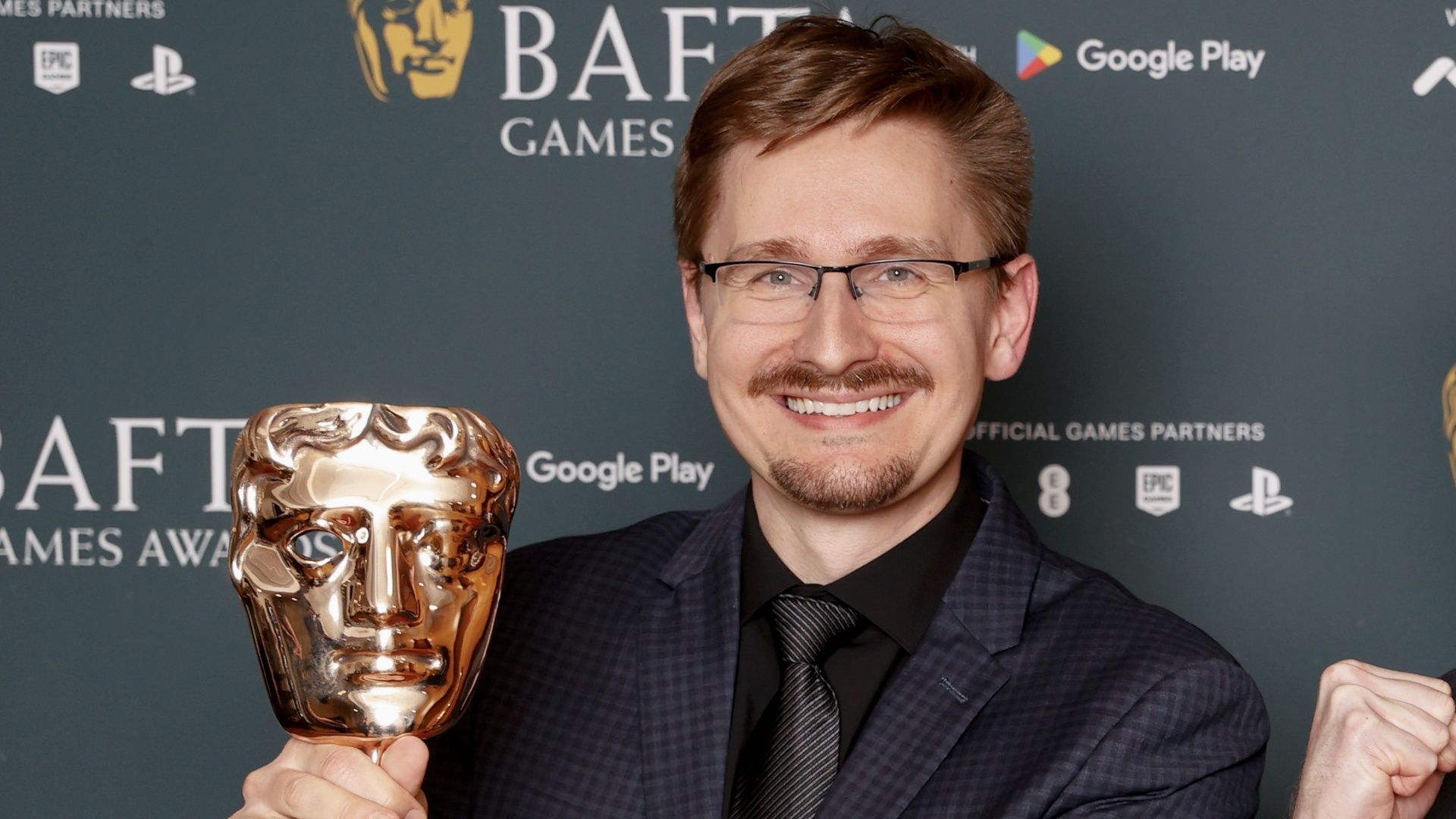
Jirsa's rise to creative leadership was far from a calculated career move. He openly stated there was "no 10-year plan to become the lead designer or director." This candid admission highlights a studio culture that values talent and vision, allowing individuals to grow into pivotal roles organically. His initial application for a 'Designer' position, despite his non-traditional background, speaks volumes about Warhorse's willingness to look beyond conventional resumes.
This unconventional path has undoubtedly influenced the distinctive character of Warhorse Studios' games. It suggests an environment where innovation can flourish, unburdened by strict hierarchies or predetermined creative trajectories. The focus is clearly on the game itself, and the people best suited to bring that vision to life.
Systemic Design & Emergent Gameplay

At the heart of Warhorse Studios' approach is a deep commitment to complex systemic design and emergent gameplay. Jirsa elaborates on this, explaining that "the friction helps you," implying that overcoming the game's inherent challenges and quirks enhances a player's sense of accomplishment. This isn't about hand-holding; it's about earning your victories.
A compelling anecdote reinforces this philosophy: a player genuinely believed an NPC stole Henry's shoes in *Kingdom Come: Deliverance*, even though such a system didn't exist. This instance, cited by Jirsa, validated their core systemic world design, proving the game felt "convincing and natural" enough to trick players into believing its intricate, living ecosystem. This kind of emergent gameplay is a hallmark of the studio, making each playthrough feel uniquely personal.
KCD2's Recipe for Continuity

Jirsa's influence as lead designer for *Kingdom Come: Deliverance 2* is undeniable. He confirms that "a lot of the systems were designed by me. A lot of the quests were heavily influenced by me." Crucially, KCD2 "kept the recipe of the type of game we are making," a strategy he believes is vital for its anticipated success. This continuity and development focus ensures that fans of the first game will find a familiar yet expanded experience.
The studio's relatively small size is often cited as a significant advantage. It allows the next game to be a direct reflection of the developers' unique obsessions and creative drive, fostering a singular vision rather than a committee-driven product. This means the core identity of *Warhorse Studios* remains intact and amplified in their new projects.
Funding Warhorse Studios' Vision

The initial *Kingdom Come: Deliverance* (KCD1) Kickstarter campaign was a monumental success, raising £1.1 million. This crucial financial foundation allowed the studio to fund the remaining development, proving the appetite for their ambitious, historically accurate RPG. This grassroots support laid the groundwork for the studio's independence and creative freedom.
The ability of Warhorse Studios to maintain its unique creative vision is intrinsically linked to its operational size. This structure allows the specific interests and passions of the developers to directly drive project direction, rather than being diluted by external pressures. It’s a powerful testament to how focused passion can shape a game's identity.
Looking ahead, Warhorse Studios' commitment to emergent gameplay and a player-driven narrative seems poised to define its future. Industry analysts suggest this focus could inspire other developers to embrace less linear, more interactive world-building. This distinct approach might also attract a growing niche of players seeking deeper immersion and consequences in their RPGs. Their continued success could solidify a new standard for historical realism in gaming.
Frequently Asked Questions
What is Warhorse Studios' core design philosophy for KCD2?
Warhorse Studios emphasizes complex, systemic design and emergent gameplay, focusing on "friction" to enhance player accomplishment. They aim for a convincing, natural world where player actions and interactions drive unique experiences.
How does emergent gameplay work in Kingdom Come: Deliverance?
Emergent gameplay in KCD involves systems that allow unexpected interactions and consequences, making the world feel alive. For example, a player might believe an NPC stole their shoes, even if not explicitly programmed, because the world's systems make it plausible.
Will Warhorse Studios' next game offer diverse "best build" options for players?
While the article doesn't detail "best build" options, Warhorse Studios' focus on systemic design and player choice strongly suggests a variety of viable character development paths. This allows players to experiment and create unique approaches to the game's challenges.
Confirmed details first, useful context second. This is the quickest path to the source trail and the next pages worth opening.
Source date: May 7, 2026