Thrift Store Nvidia 3D Vision 2 Discovery
In a remarkable find that bridges the gap between forgotten tech and a bygone era of immersive gaming, Redditor sinrivers unearthed a sealed box of Nvidia 3D Vision 2 glasses at a local thrift store for an astonishing $2.99. This discovery is particularly noteworthy given the original retail price, which typically hovered between $99 and $149, a significant sum depending on whether the included IR transmitter was part of the package. This low-cost acquisition of a once-premium peripheral underscores the rapid depreciation and obsolescence inherent in the consumer electronics market, especially within the fast-paced world of PC gaming hardware.
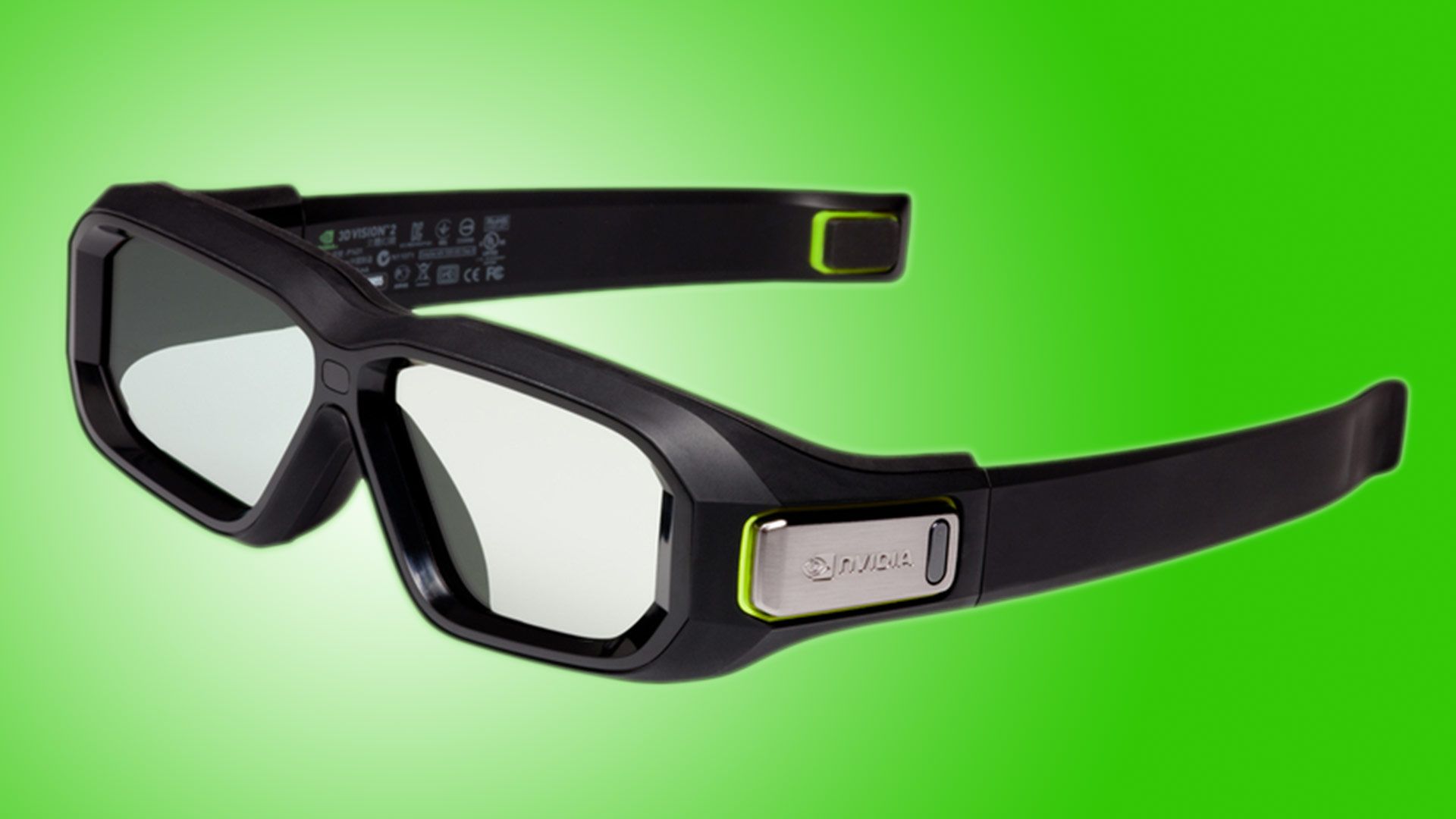

Nvidia 3D Vision: A Technical Endeavor
The ambition behind Nvidia's 3D Vision technology was considerable, aiming to bring stereoscopic 3D gaming to the masses. However, achieving this immersive experience was not a plug-and-play affair. It demanded a meticulously configured ecosystem. At its core, a compatible Nvidia GeForce GPU was non-negotiable, providing the necessary rendering horsepower and stereoscopic signal output. This signal would then be fed via a dual-link DVI connection to a LightBoost-certified monitor. These specific monitors, a crucial component, were engineered to reduce ghosting and increase brightness, vital for a convincing 3D effect. Furthermore, ensuring 3D HDMI 1.4 support was a prerequisite for any displays or content utilizing that particular interface. This multi-faceted hardware dependency, a complex web of compatibility requirements, presented a significant barrier to entry for many potential adopters.
The Rise and Fall of Stereoscopic Gaming
The reception to Nvidia 3D Vision was, predictably, bifurcated. Enthusiasts who managed to navigate the stringent hardware requirements and optimize their setups often lauded the profound sense of immersion. Games could feel more tangible, with a tangible sense of depth and presence that was, at the time, revolutionary. However, for a substantial segment of the user base, the experience proved less transformative. Complaints ranged from eye strain and headaches, often exacerbated by improper calibration or less-than-ideal monitor performance, to a general feeling that the added depth didn't significantly enhance gameplay for many titles. The perceived "wow" factor diminished over time, particularly as display technologies like higher refresh rates and HDR emerged, offering more universally appreciated visual improvements. The technology, despite its initial promise, struggled to achieve mainstream adoption, remaining a niche interest rather than a defining feature of the gaming landscape.
Obsolescence and the Nvidia 3D Vision Legacy
The ultimate fate of Nvidia 3D Vision was sealed in 2019 when the company quietly discontinued official support for the technology within its GeForce drivers. This marked the definitive end of an era, signaling Nvidia's strategic pivot away from stereoscopic 3D gaming. The recent thrift store find serves as a poignant reminder of how swiftly cutting-edge technology can transition from desirable hardware to forgotten relics. The $2.99 price tag on a sealed box of 3D Vision 2 glasses starkly contrasts with its original market value, illustrating the relentless march of innovation and the ever-present risk of technological obsolescence for even the most ambitious hardware ventures.
The technical hurdles and niche appeal ultimately limited the long-term viability of Nvidia 3D Vision. While the concept of immersive 3D gaming persists in other forms, the specific implementation by Nvidia has largely faded into the annals of PC hardware history. The $2.99 find is a charming artifact, but it also represents a significant financial miscalculation for anyone who purchased it at its original MSRP, highlighting the speculative nature of early adoption for unproven technologies.
Looking ahead, the resurgence of interest in retro gaming hardware, coupled with the scarcity of certain components, could see such items gain a different kind of value. However, for active gamers seeking cutting-edge immersion, the focus has firmly shifted to other display technologies and rendering techniques. The future of visual fidelity in gaming lies not in stereoscopic glasses for most, but in advancements like higher pixel densities, adaptive sync technologies, and more sophisticated rendering pipelines that improve overall image quality and responsiveness.
Frequently Asked Questions
What Nvidia GPUs are compatible with 3D Vision 2?
Nvidia 3D Vision 2 requires compatible GeForce GPUs, typically from the GeForce 400 series and newer. Specific model compatibility should be verified with Nvidia's legacy documentation.
Can I use Nvidia 3D Vision 2 with any monitor?
No, a LightBoost-certified monitor with a dual-link DVI input is required for optimal performance with Nvidia 3D Vision 2. Standard monitors will not work.
Is Nvidia 3D Vision 2 still supported by current drivers?
Nvidia officially discontinued support for 3D Vision technology with GeForce driver releases in 2019. Current drivers do not include 3D Vision functionality.
Tags : #VintageTech #ThriftStoreTreasure #RetroGaming #HiddenGems #NostalgicTech
Confirmed details first, useful context second. This is the quickest path to the source trail and the next pages worth opening.