Vampire Therapist Hits a Switch 2 Wall
The launch of a new hardware iteration is supposed to be a victory lap for indie developers, a chance to showcase their narratives on more powerful silicon. However, for the team behind the darkly comedic indie hit Vampire Therapist, the transition to the latest Nintendo Switch model—frequently referred to by early adopters as the Switch 2—has been anything but smooth. Instead of the crisp, gothic aesthetics and sharp wit players expected, many are being greeted by a void. Specifically, a persistent black screen that triggers immediately upon downloading and launching the title. It is a catastrophic failure of software-to-hardware handshake protocols that leaves the game’s protagonist, a reformed vampire turned therapist, unable to even begin his first session.
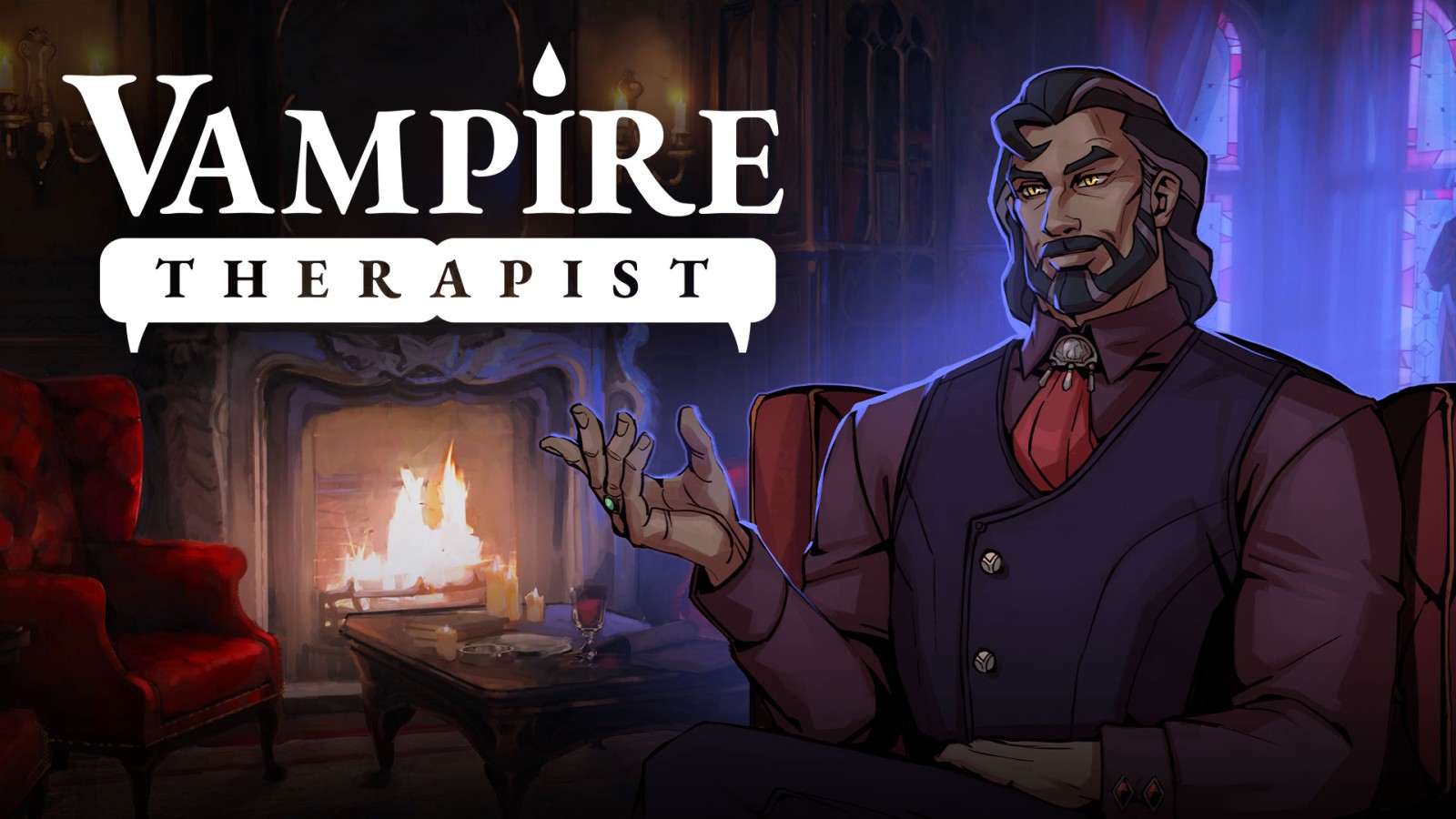
The issue appears to be systemic rather than isolated. Early reports from the community indicate that the black screen persists regardless of whether the game is installed on internal storage or a high-speed microSD card. For a game that relies entirely on visual feedback and atmospheric UI, this total lack of rendering is a death sentence for the user experience. Tech analysts suggest the problem may lie in the game’s engine struggling with the new model’s updated display drivers or memory allocation quirks. It is a stark reminder that even "backward compatible" environments can harbor gremlins that target specific architectural changes. The hype for playing this cult favorite on the go has quickly curdled into a series of refund requests and frustrated forum threads.
Text Systems Fail the Nintendo Ecosystem
Even for those who manage to bypass the initial boot issues on standard models, the Nintendo Switch version of Vampire Therapist is suffering from a series of UI-driven collapses. The most egregious of these involves the text display system. In a game where every word matters, the dialogue has a tendency to continue running in the background while the player is attempting to adjust settings or navigate menus. This creates a disconnect where narrative beats are missed because the game refuses to wait for the player. It is a fundamental breakdown of the interactive fiction contract. The game moves forward, but the player is left behind, staring at a slider or a toggle while the story bleeds away in the background.
This lack of a robust pause function for text is more than just a minor annoyance; it is a mechanical failure during high-stakes interactive elements. Vampire Therapist requires players to identify specific cognitive distortions—such as "catastrophizing" or "all-or-nothing thinking"—within the dialogue of their undead patients. When the text cannot be halted or reviewed effectively, the core gameplay loop of diagnosis and treatment becomes an exercise in guesswork. Players find themselves frantically trying to close menus to catch a fleeting sentence, only to find the conversation has already pivoted. On a handheld screen, where focus is already at a premium, this lack of control over the narrative flow feels like a regression in accessible game design.
Infinite Conversation Loops Plague Vampire Therapist
The deeper one gets into the psyche of the game’s neurotic vampires, the more the technical stability begins to unravel. Investigative playtesting has revealed certain sections of the game that are effectively unplayable due to logic errors in the branching dialogue. Players report being trapped in infinite looping conversations where the game fails to recognize that a specific narrative milestone has been reached. You select an option, the character responds, and then the game resets to the previous prompt as if the interaction never occurred. It is a Groundhog Day scenario that no amount of therapeutic insight can resolve. The logic gates are jammed, and the player is the one who suffers the psychic damage.
Compounding these narrative loops is a recurring issue with unrecognized inputs. During critical junctures where player choice should dictate the path of the therapy session, the Switch’s buttons simply stop responding to the game’s internal logic. You press the button, the haptics might fire, but the game state remains frozen. This isn't a hardware failure of the Joy-Cons themselves, but a software-level inability to process the input within the context of the current scene. When a game about communication fails to communicate with the controller, the experience transitions from an engaging simulation to a digital paperweight. For a title that prides itself on its "Very Positive" reputation on other platforms, these Switch-specific bugs are a significant stain on its record.
Little Bat Games Promises Essential Patch
The developers at Little Bat Games have not been silent regarding the state of their port. They have officially acknowledged the compatibility issues, specifically citing the "Switch 2" launch failures and the input bugs as high-priority targets. The studio is currently in the trenches, working on a comprehensive patch designed to stabilize the frame buffer and fix the dialogue logic that leads to those dreaded infinite loops. They are aware that the reputation of their game is on the line, especially within the fiercely loyal Nintendo community. However, acknowledgment is only the first step in a long recovery process for a botched launch.
The primary concern for the player base remains the timeline. Despite the ongoing efforts and the public admission of these flaws, no official release date for the patch has been announced. This leaves current owners in a state of limbo, holding a game that is either literally unplayable on their new hardware or functionally broken on their old hardware. In the fast-moving digital marketplace, a delay of even a few weeks can be the difference between a successful port and a forgotten one. The developer's commitment to quality is clear, but the technical debt they are currently servicing is substantial. Until that patch clears Nintendo’s certification process, the doctor is effectively out of the office.
The success of the upcoming patch will determine whether Vampire Therapist becomes a staple of the Switch’s indie library or a cautionary tale about the complexities of cross-generational porting. Given the developer's transparency, a resolution is likely, but the initial damage to consumer trust may linger through the holiday sales window. We expect the fix to arrive within the next thirty days, though the complexity of the Switch 2's specific black-screen bug could push that timeline further back.
Tags : #VampireTherapist #NintendoSwitchIssues #GamingCompatibility #ProfessionalGamerNews #ConsoleTroubleshooting
Confirmed details first, useful context second. This is the quickest path to the source trail and the next pages worth opening.