What this means for players: You are about to have more choices than ever for portable and living-room gaming, but Valve’s success hinges on whether they can actually keep these devices in stock during a volatile market. The revival of the Steam Controller isn't just a nostalgia trip—it's a calculated strike at the console market, signaling that Valve is ready to control every aspect of the gaming experience from the OS to the physical buttons under your thumbs.
Valve Confirms Steam Controller Pricing
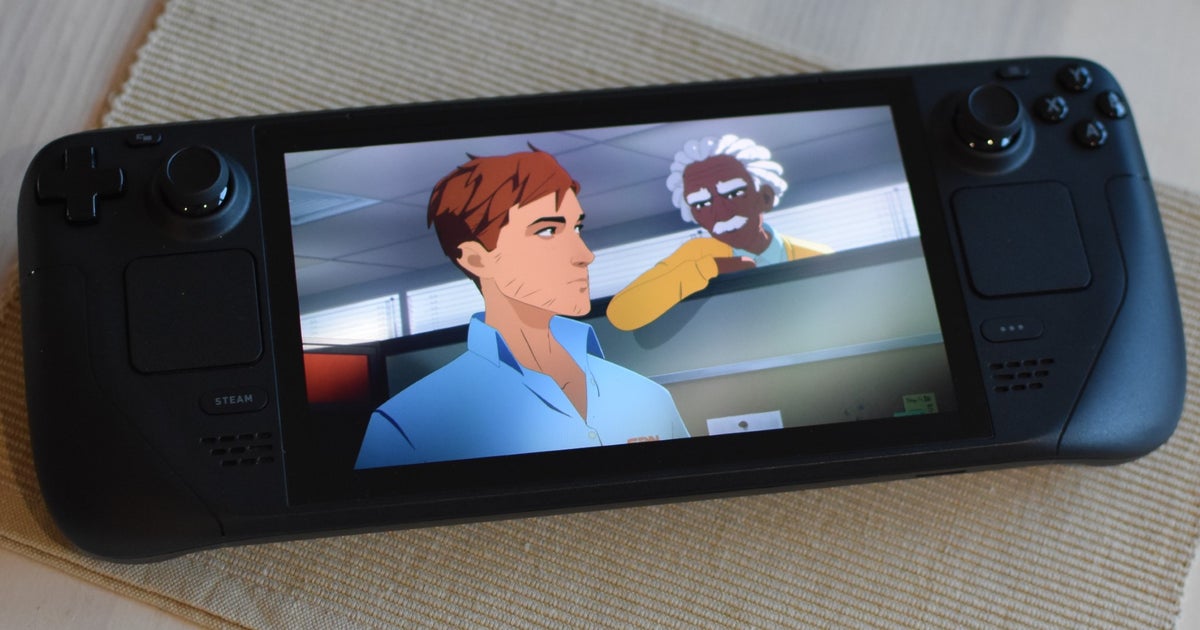
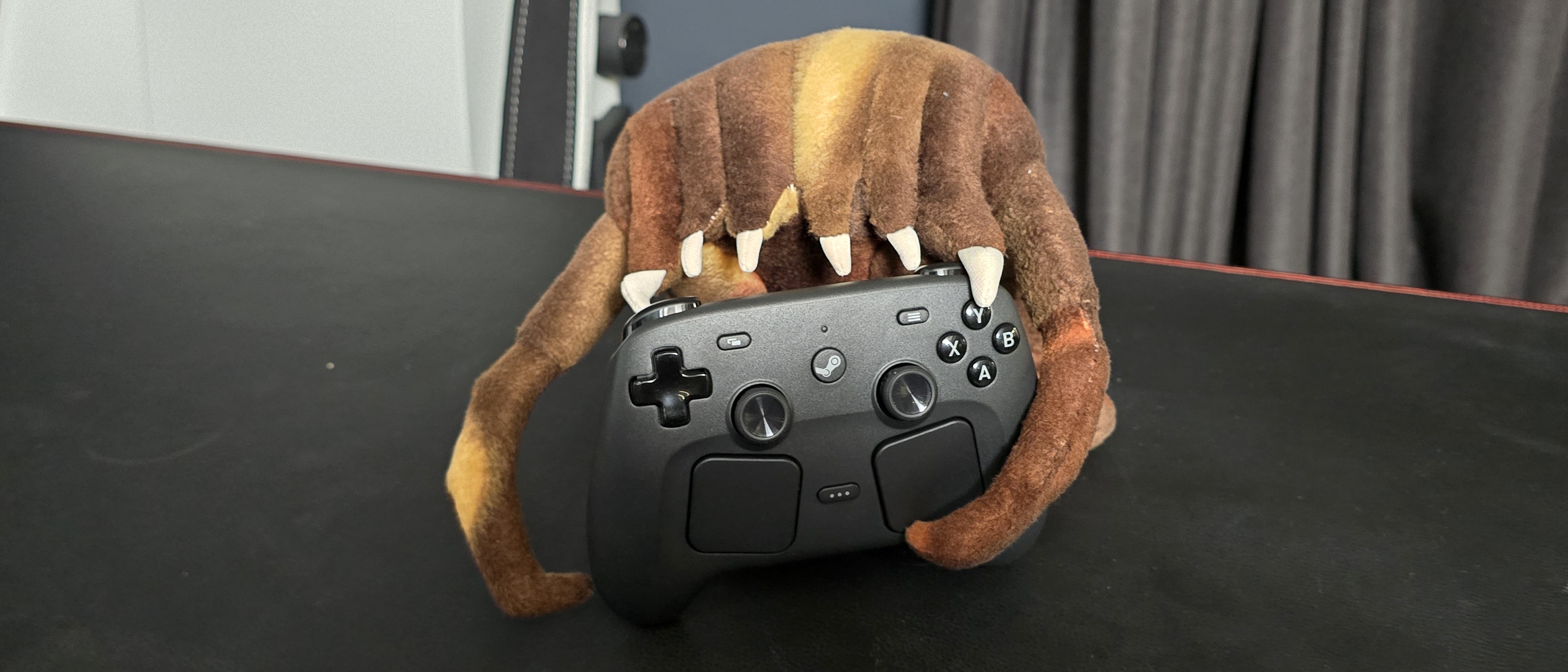
The rumors have finally solidified into concrete facts. Valve has officially pulled back the curtain on the new Steam Controller, providing the clarity that fans have been demanding for years. This isn't just a reissue of the 2015 experiment; it is a refined piece of hardware designed to bridge the gap between the Steam Deck’s portability and a dedicated home theater setup. Valve has confirmed both the price point and the release date, positioning the accessory as a premium but accessible entry point for those looking to bring their PC library into the living room without the clunkiness of a keyboard and mouse.
The Steam Controller remains a vital piece of the puzzle for Valve's Steam Hardware Strategy. By offering a controller that mirrors the unique trackpad and gyro inputs of the Steam Deck, Valve is ensuring that games optimized for their handheld will feel just as natural on a 65-inch 4K television. This consistency is key to their ecosystem, allowing for a seamless transition between mobile and stationary play. The market availability of this controller marks the first major step in Valve’s renewed interest in dedicated peripherals since the original model was discontinued years ago.
Steam Deck 2 Development Intensifies
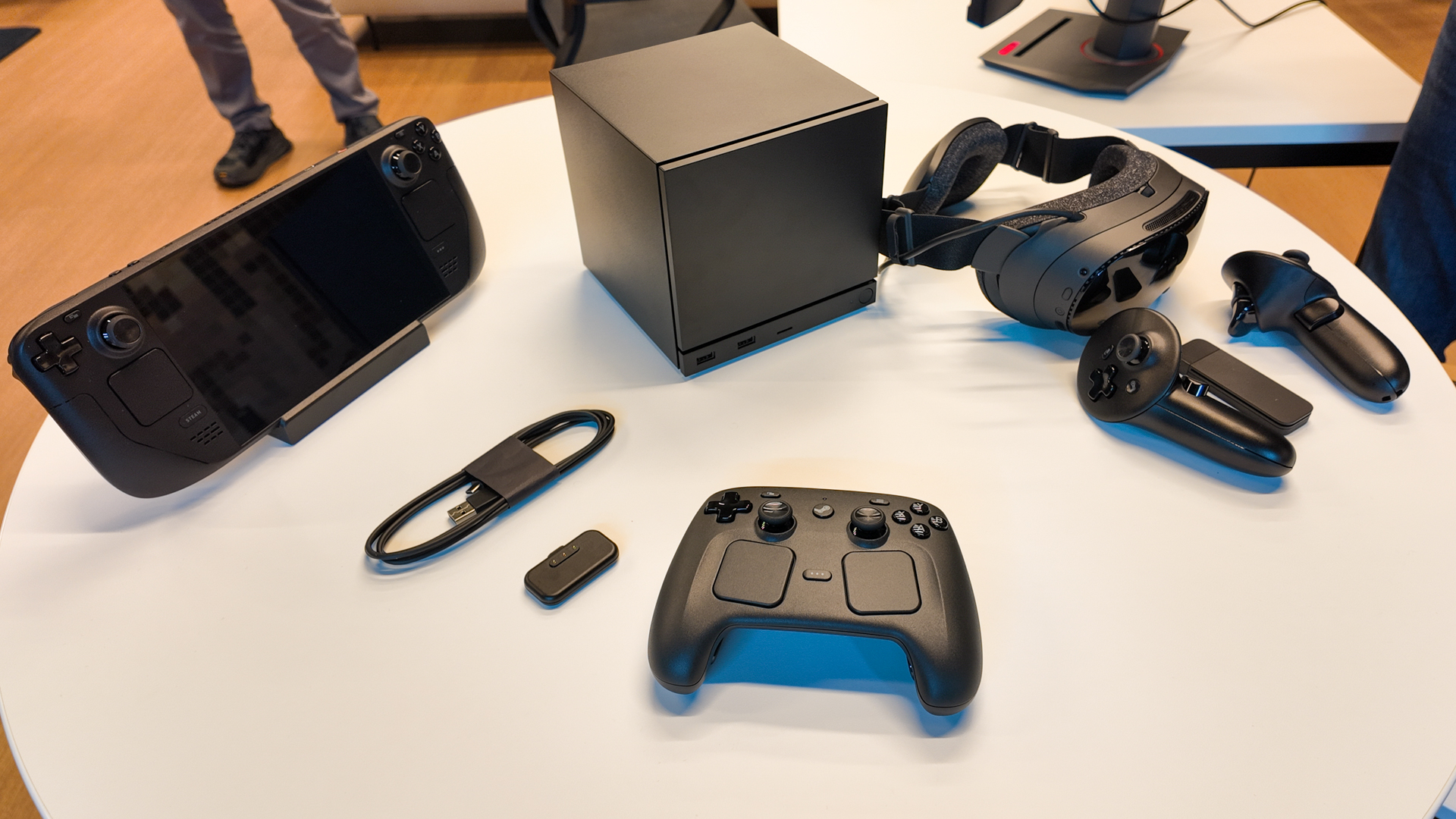
While the controller is making waves, the real heavy hitter is looming on the horizon. Pierre-Loup Griffais has confirmed that the company is "hard at work" on the Steam Deck 2, a revelation that has sent the community into a frenzy. This next-Gen Steam Hardware Development cycle is focused on finding the perfect balance between raw power and battery efficiency. Valve isn't interested in a mere incremental upgrade; they are looking for a generational leap that maintains the compatibility and ergonomics that made the original Deck a breakout success.
The development of the Steam Deck 2 is happening alongside a renewed interest in the Steam Machine concept. While the original Steam Machines struggled due to software limitations and a fragmented hardware market, the landscape has changed. With Proton now capable of running the vast majority of Windows games flawlessly, a new Steam Machine could succeed where its predecessors failed. Valve is leveraging everything they learned from the handheld space to ensure their next-gen home console experience is unified, powerful, and, most importantly, easy to use for the average consumer.
Valve Navigates Global Component Shortages

Ambition often meets the harsh reality of the supply chain. Valve is currently tackling a significant RAM crisis that threatens to slow down production across their entire hardware lineup. To combat this, the company is diversifying its supply chain with an intensity we haven't seen before. Instead of relying on a single source for critical memory components, Valve is working with numerous manufacturers to maintain flexibility. This strategy is designed to prevent the kind of "out of stock" notifications that plagued the early days of the original Steam Deck.
This isn't Valve's first time in the trenches of a supply crisis. The company successfully navigated a similar microcontroller shortage during the COVID-19 pandemic by maintaining a broad range of component options. By designing their hardware to be adaptable to different internal parts without sacrificing performance, they have built a resilient manufacturing pipeline. This experience is now being applied to the RAM shortage, ensuring that Valve's Steam Hardware Strategy remains on track despite global economic pressures. They are essentially building a safety net that allows them to swap suppliers on the fly if one region or manufacturer hits a bottleneck.
The commitment to supply chain diversity is a clear signal that Valve is playing the long game. They aren't just looking to sell a few million units; they are positioning themselves as a permanent fixture in the hardware world. By securing their components and refining their manufacturing processes now, they are laying the groundwork for a decade of hardware releases that won't be held hostage by market fluctuations or regional shortages.
Valve’s pivot toward supply chain independence will likely make them the most resilient hardware manufacturer in the PC space by 2026. The Steam Deck 2 will debut with a significantly higher price point to reflect its premium performance targets. Expect the Steam Controller to become the gold standard for handheld-to-docked transitions, finally unifying the Valve ecosystem.
Frequently Asked Questions
When is the Steam Controller release date?
Valve has officially confirmed the release date and pricing, with availability expected to hit major regions in the coming months. Check the Steam store for specific regional launch windows and pre-order details.
Is the Steam Deck 2 coming soon?
While Pierre-Loup Griffais confirmed Valve is hard at work on the Steam Deck 2, the company is focusing on a true generational leap in performance. This suggests a release window is still a significant way off as they wait for more efficient processor technology.
How is Valve handling the current RAM crisis?
Valve is diversifying its supply chain by partnering with multiple manufacturers to ensure a steady flow of components. This strategy mimics their successful navigation of the microcontroller shortages during the COVID-19 pandemic.
Confirmed details first, useful context second. This is the quickest path to the source trail and the next pages worth opening.
Source date: April 28, 2026