TSMC CEO Issues Shocking Warning About Intel Foundry's Power
The undisputed king of the semiconductor world just looked over its shoulder and saw a ghost. TSMC CEO C.C. Wei didn't just mention Intel during a recent earnings call; he labeled them a "formidable" rival, a move that has sent shockwaves through the hardware industry. This isn't just corporate posturing; it is a tactical acknowledgment that the monopoly on high-end gaming silicon is under threat.
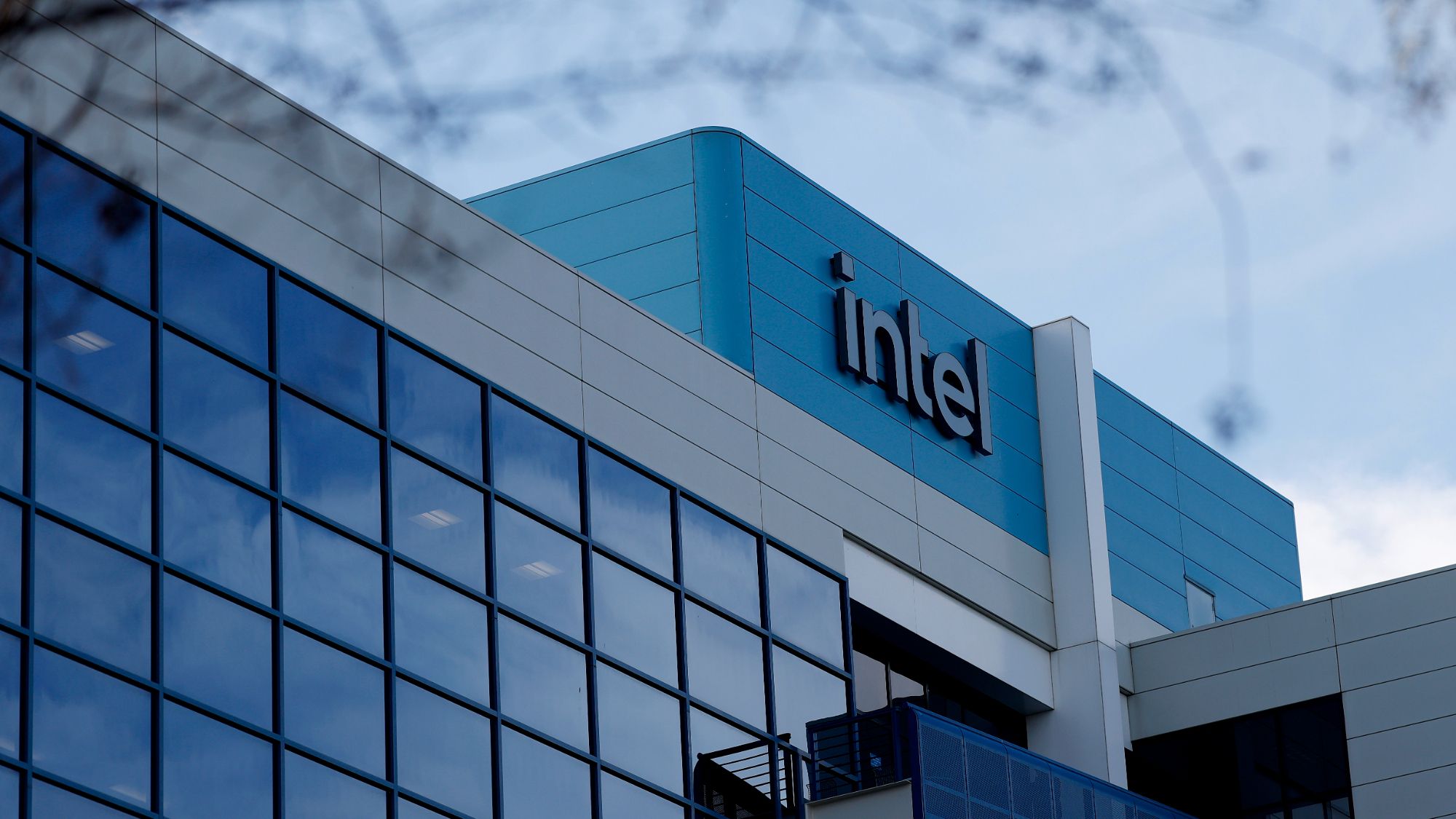

Why this matters: A real war between foundries usually leads to better yields, more supply, and ultimately, more competitive pricing for the GPUs and CPUs we actually buy. For years, TSMC has been the only name that mattered for enthusiasts. Whether you are running an NVIDIA RTX 40-series card or an AMD Ryzen processor, the heart of your machine likely came from a TSMC fab. Now, the leader of that empire is publicly acknowledging that Intel is no longer just a struggling chipmaker, but a serious contender for the manufacturing crown.
TSMC CEO Labels Intel Formidable
During the recent earnings call, C.C. Wei was surprisingly candid about the shifting landscape of the semiconductor sector. He didn't shy away from naming Intel Foundry as a major competitor. This admission highlights an intensifying rivalry that goes beyond simple bench-marking. TSMC has long held the lead in nanometer-scale production, but Intel's aggressive roadmap to reclaim "process leadership" is clearly making the industry leader take notice.
Intel is currently pushing its 18A process node, which aims to compete directly with TSMC’s high-end offerings. For PC builders, this competition is the best news we have heard in years. When two giants fight for dominance, they push the limits of what is possible with transistor density. Higher density means more TFLOPS in your GPU and better IPC in your CPU. We are moving past the era where one company can dictate the pace of innovation for the entire gaming market.
Intel Foundry Targets Manufacturing Leadership
Wei emphasized that merely having the technology is insufficient to win the market. He outlined three pillars that Intel must master: technology leadership, manufacturing excellence, and customer trust. It is a rare moment of a CEO providing a roadmap for his rival's success. Intel has historically struggled with manufacturing delays, famously getting stuck on the 14nm node for years while the rest of the world moved on. However, the new Intel Foundry strategy is a different beast entirely.
Manufacturing excellence is about more than just small transistors. It is about the "yield"—the percentage of chips on a silicon wafer that actually work. High yields lead to lower costs for manufacturers, which can lead to lower MSRPs for us. If Intel can prove they can manufacture chips at scale without the defects that plagued their past, they become an immediate threat to TSMC’s bottom line. The focus is shifting from "who has the smallest node" to "who can actually deliver the most chips to customers like NVIDIA and Apple."
Superior Service Drives Silicon Competition
The most striking part of Wei’s warning was his focus on "superior service." He argued that this is the most critical element required for Intel to gain market share. In the high-stakes world of semiconductor manufacturing, service means reliability and partnership. TSMC has spent decades building deep relationships with designers, ensuring that their architecture perfectly matches the manufacturing process. Intel is now trying to replicate that ecosystem.
For a gaming hardware enthusiast, this service-oriented battle is fascinating. It means foundries are competing to see who can best optimize a chip's thermal efficiency. If Intel offers better service and optimization tools to a company like AMD, we could see a massive shift in performance-per-watt. The goal is no longer just raw power; it is about how much performance you can squeeze out before a laptop chassis starts to melt. This "formidable" competition will force both companies to provide better support for the complex designs required by modern ray-tracing and AI-driven upscaling.
Advanced Architecture Reshapes Gaming Hardware
The battle between TSMC and Intel is essentially a battle of architectures. TSMC is currently the gold standard for efficiency, which is why your handheld gaming PCs and high-end rigs stay relatively cool. Intel Foundry is betting on radical new tech like backside power delivery to leapfrog current designs. This architectural shift could redefine the value-per-dollar metric in the mid-range GPU market. We are seeing a move away from purely technological capability toward comprehensive business execution.
Intel’s massive investment in new fabs across the globe is a direct challenge to TSMC’s geographic dominance. While TSMC remains the king of the "N3" and "N5" nodes, Intel is aiming for the future. The semiconductor sector is no longer a one-horse race. This rivalry ensures that neither company can afford to be complacent. For the person building a PC in 2025 or 2026, the result will be a market flooded with high-performance silicon options that were previously impossible to manufacture at scale.
Intel Foundry will likely secure its first major non-internal gaming chip contract by late 2025. TSMC will respond by accelerating its 2nm production schedule to maintain its lead in power efficiency. This competition will drive down the cost of high-end silicon, potentially making mid-range GPUs more powerful than current flagship models within three years.
Frequently Asked Questions
Will Intel Foundry make chips for NVIDIA or AMD?
While Intel currently makes its own chips, they are actively courting external customers and could potentially manufacture future hardware for their rivals. This would be a massive shift in the industry power dynamic.
Is TSMC still the leader in gaming hardware?
Yes, TSMC currently manufactures the vast majority of high-end GPUs and CPUs used in gaming today. Their N3 and N5 nodes remain the industry standard for performance and efficiency.
How does this competition affect GPU prices?
Increased competition between foundries typically leads to better manufacturing yields and more supply. This could result in more aggressive pricing for mid-range and high-end graphics cards in the coming years.
Tags :
Confirmed details first, useful context second. This is the quickest path to the source trail and the next pages worth opening.
Source date: April 17, 2026