Trump Uses Taiwan Arms Sale as Negotiating Chip Against China
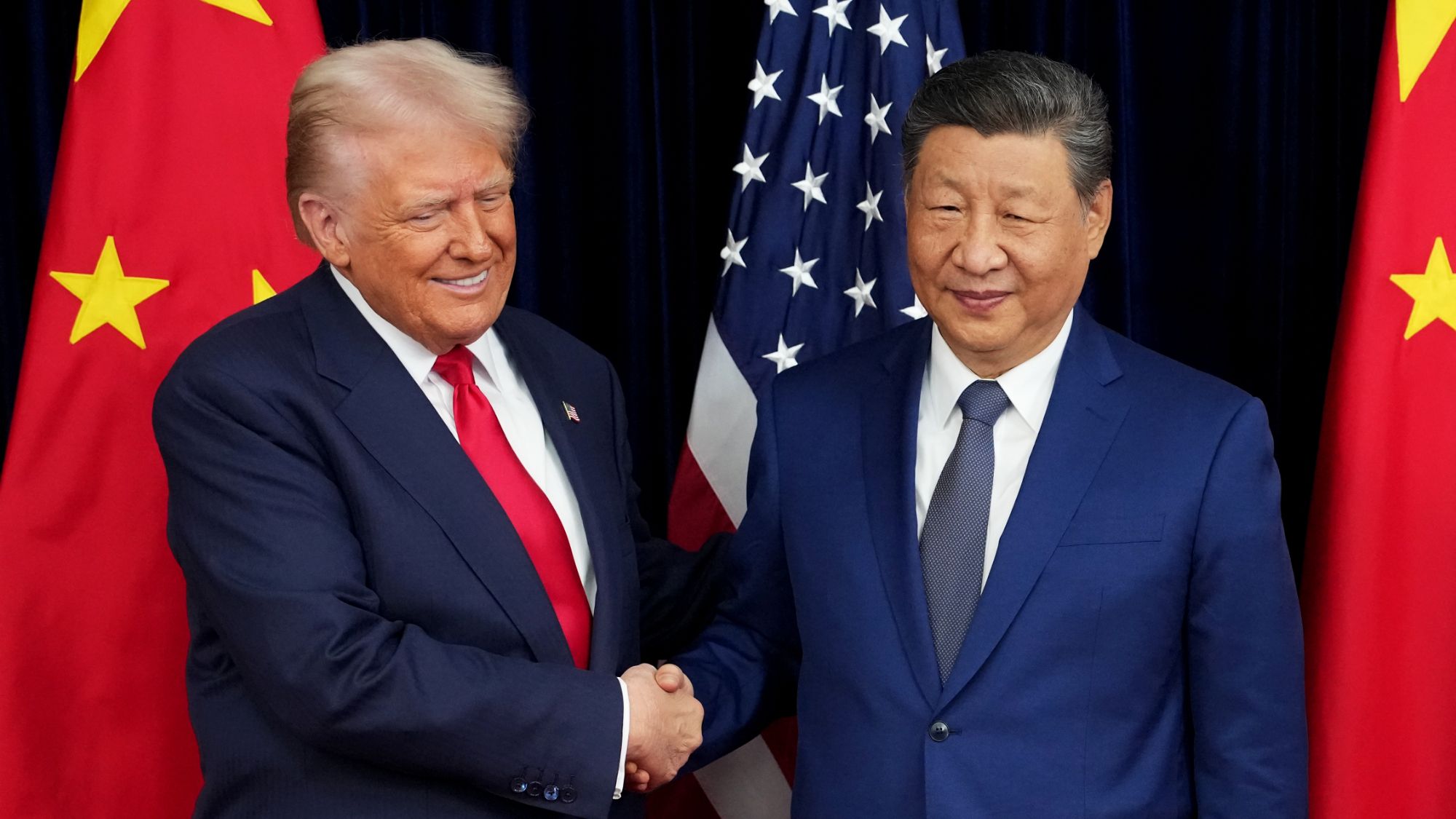
The highly anticipated $14 billion arms sale to Taiwan has been abruptly reframed: not as a strategic defense upgrade, but as a political weapon. Former President Donald Trump declared the pending deal a "negotiating chip" against China, dramatically shifting the conversation from military hardware to geopolitical leverage. What does this mean for the delicate balance of power between Taipei, Beijing, and Washington?
The remarks come just days after a high-stakes summit with Chinese President Xi Jinping, raising immediate questions about the stability of the region. This move suggests the US-China tech and security rivalry is now directly tied to the future of Taiwan. Why this matters: The rhetoric elevates a military transaction into a key diplomatic bargaining point, signaling a heightened level of international tension.
The Taiwan Arms Deal and China Leverage
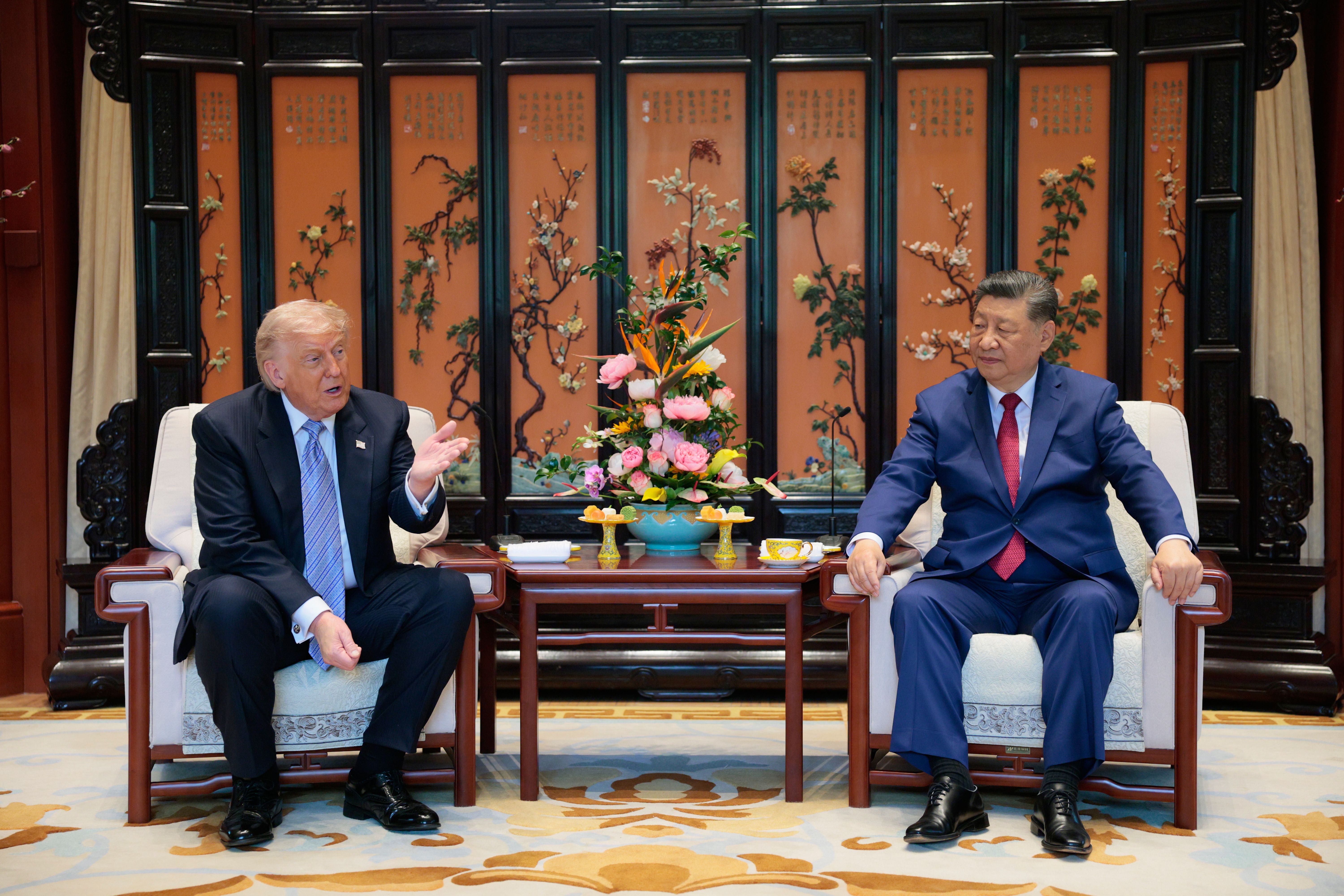
During a Fox News interview in Beijing, Trump laid out the details, emphasizing that the massive sale, including crucial defensive systems like PAC-3 MSE interceptors and NASAMS air defense missiles, was currently "in abeyance." He made it clear that the deal was not finalized, giving him significant rhetorical control.
This emphasis on delay was particularly pointed following his two-day summit with Xi Jinping. During the meeting, Xi had already warned that Taiwan represented a critical issue for China, warning that any mishandling could escalate into "clashes and even conflicts." Trump’s subsequent comments amplified this warning, tying the defense equipment directly into the strategic calculus.
The focus on the PAC-3 MSE interceptors and NASAMS missiles underscores the depth of the planned defense upgrade. By framing the sale as a leverage point, Trump effectively used the potential hardware transfer to increase pressure on Beijing, treating the sale itself as the primary bargaining asset.
Trump's View on Geopolitical Tension

Speaking aboard Air Force One, Trump further detailed the conversations with Xi, confirming that they had discussed the Taiwan arms sales "in great detail." He didn't just discuss missiles; he framed the entire geopolitical situation using stark comparisons.
His rhetoric contrasted the sheer power and size of China with the smaller island nation of Taiwan, stating that "China is a very, very powerful, big country. That's a very small island." This framing was designed to underscore the perceived vulnerability of Taiwan while simultaneously maintaining the strategic importance of the proposed defense system.
Ultimately, the message was clear: the region needs de-escalation. Trump concluded by advising that "Taiwan would be very smart to cool it a little bit," a sentiment that mixed geopolitical advice with the underlying threat of conflict. The use of the arms deal as a negotiating chip makes the stakes feel immediate and highly visible.
This entire maneuver—the timing, the specific products, and the platform of the announcement—shows that the Trump arms sale Taiwan China dynamic is far more complex than just a simple hardware transaction. It is a statement about global power dynamics and deterrence.
The immediate fallout from the Trump arms sale Taiwan China rhetoric is likely to impact global defense markets and diplomatic channels. Analysts predict increased focus on the technical details of the PAC-3 MSE interceptors, as these systems represent a major shift in regional defense capabilities.
Looking ahead, expect increased diplomatic maneuvering from Washington, attempting to formalize the strategic value of the NASAMS system beyond simple sales figures. The next few weeks will determine if the 'negotiating chip' proves to be a durable piece of leverage or merely a temporary political statement.
Frequently Asked Questions

What are PAC-3 MSE interceptors?
PAC-3 MSE interceptors are advanced missile defense systems designed to engage ballistic missiles and other high-speed threats. They represent a significant upgrade in intercept capability and range compared to older models.
How does NASAMS function in Taiwan's defense?
NASAMS (National Advanced Surface-to-Air Missile System) is a highly effective, modular air defense system. It provides layered protection against various aerial threats, making it a crucial component of island defense.
What does 'negotiating chip' mean in this context?
It means the arms sale is being used as a point of leverage or bargaining power. Instead of simply being a transaction, its potential value is used to influence negotiations and policy decisions between major global powers.
Confirmed details first, useful context second. This is the quickest path to the source trail and the next pages worth opening.
Source date: May 16, 2026