Tomodachi Life’s Surprise Switch Launch Just Got a Game-Changing Update
Nobody expected the Miis to stage a comeback this aggressive, but here we are. Just one week after Tomodachi Life made its long-awaited debut on the Nintendo Switch, the developers have already pulled the trigger on a significant stability overhaul. The sudden arrival of Version 1.0.1 signals that Nintendo isn't just testing the waters with this social sim; they are actively protecting its momentum.
What this means for players: If you experienced any of the launch-week jitters or performance hiccups that often plague modern Switch releases, this patch is the "all-clear" signal you’ve been waiting for to move your Miis back into the apartment complex. This rapid-fire response suggests Nintendo is treating this title as a cornerstone of their current release calendar rather than a simple legacy port.
Version 1.0.1 Hits Nintendo Switch
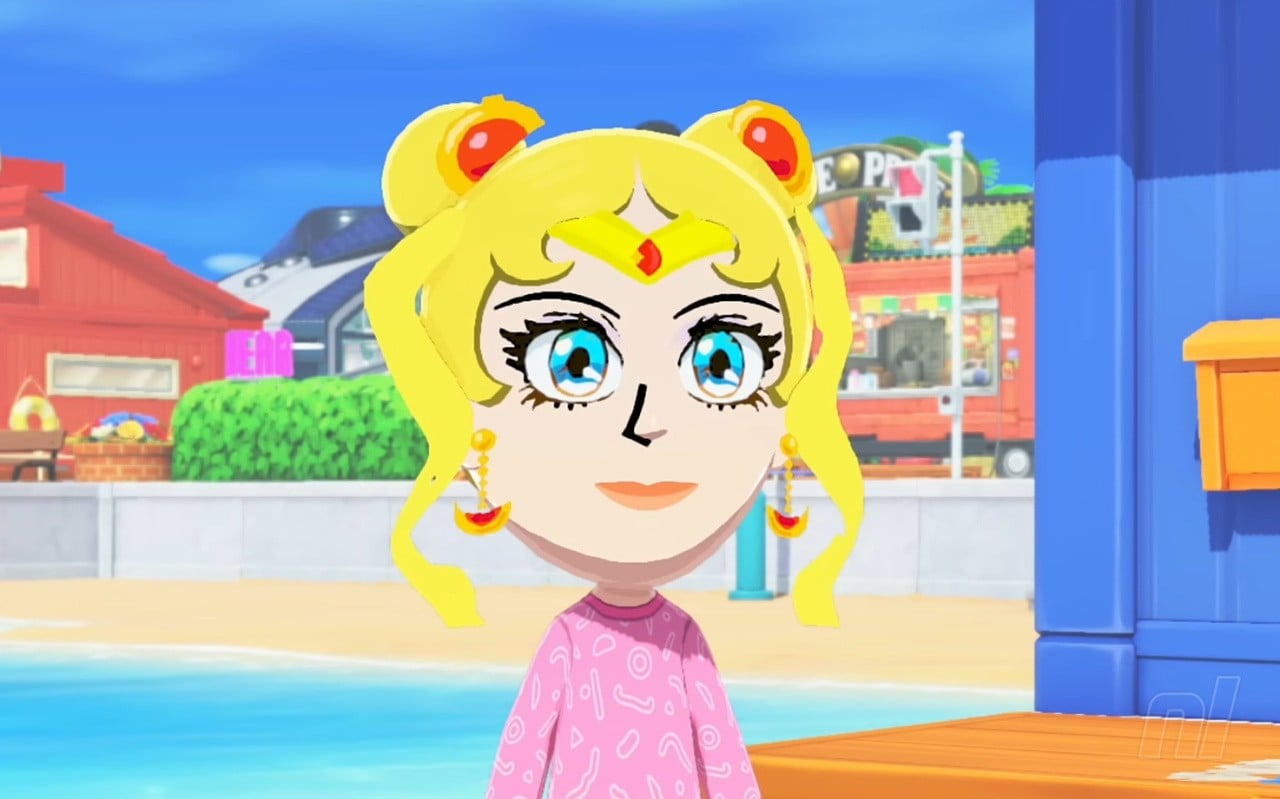
The first major patch for the Switch iteration of Tomodachi Life arrived earlier today, officially bumping the software to Version 1.0.1. While the patch notes are characteristically concise, the impact on the user experience is immediate. This update focuses on addressing several underlying issues that affected the "Living the Dream" experience during its first seven days on the market. Players had reported minor interface lag and occasional logic errors in Mii interactions, which this software update aims to eliminate entirely.
Stability is the name of the game here. In a title where the entire hook is watching unpredictable digital avatars live their lives, any technical friction can break the immersion. Nintendo’s decision to deploy a fix so quickly after the launch on October 31, 2024, shows a level of post-launch support usually reserved for heavy hitters like Mario or Zelda. It’s a move that secures the game's foundation before the inevitable holiday rush.
The community reaction has been one of relief. Early adopters on social media have noted that the menus feel snappier and the transitions between the various island locations—like the Fountain or the Concert Hall—are noticeably smoother. For a game that relies on quick check-ins throughout the day, these seconds saved in load times add up to a much more cohesive experience.
Nintendo Music App Expands Library
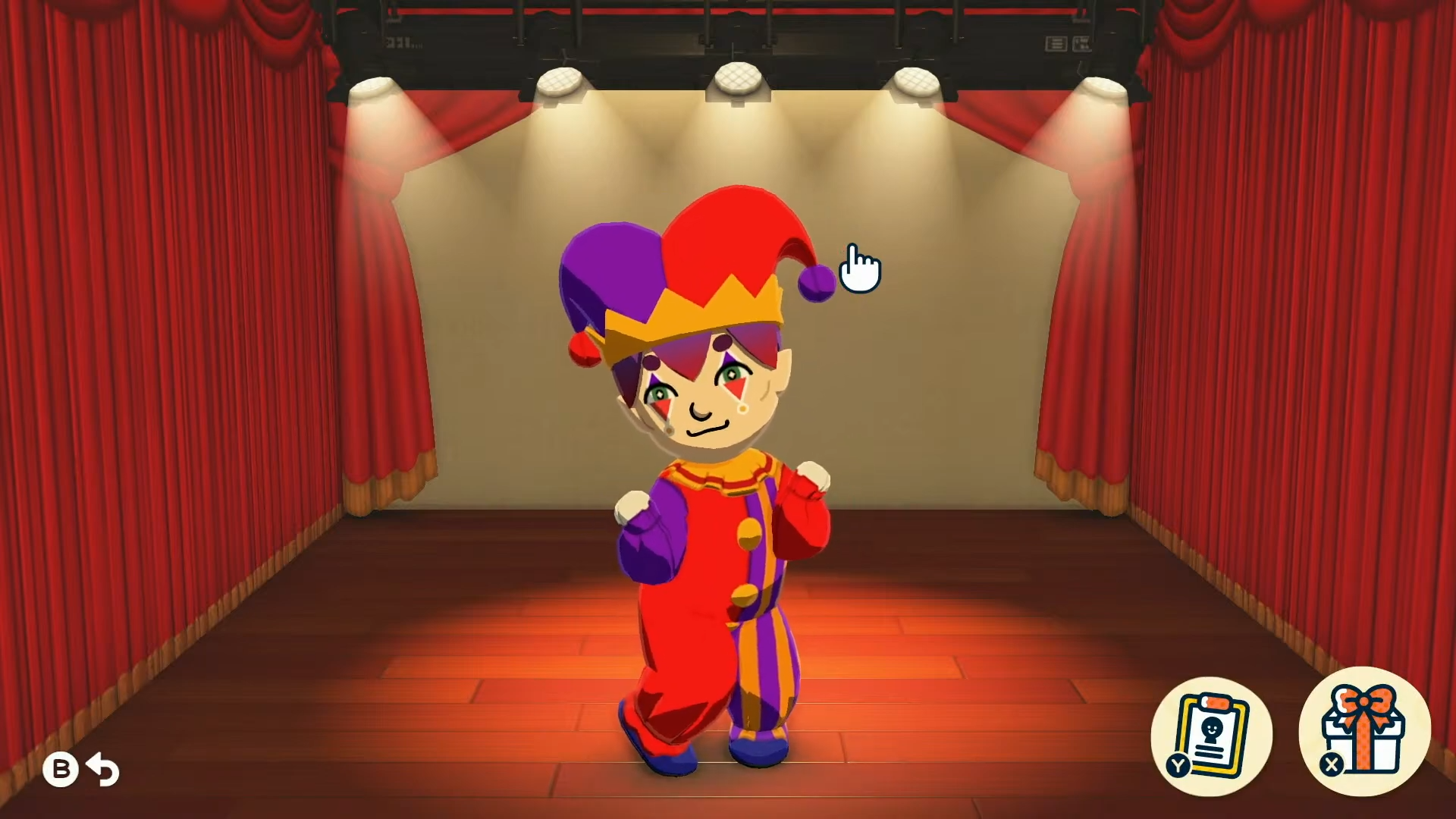
The Tomodachi fever isn't contained solely to your console. In a strategic cross-platform play, the Nintendo Music mobile application received a dedicated update last week to coincide with the game’s arrival. This update added a curated selection of tracks from the newly launched Switch title, allowing fans to take the quirky, synth-heavy vibes of the island with them on their smartphones. This is the third major update to the music app since its inception, and its timing is no coincidence.
Adding the Tomodachi Life soundtrack so early in the game's lifecycle is a brilliant marketing maneuver. It keeps the game in the player's ear even when they aren't holding their Switch. The soundtrack, known for its bizarre lyrics and catchy, lo-fi beats, has always been a fan-favorite element of the franchise. By legitimizing these tracks on their official music platform, Nintendo is leaning into the meme-heavy, viral nature of the Tomodachi brand.
Industry analysts suggest this is part of a larger "Nintendo Ecosystem" push. By linking the Switch launch, the mobile app update, and the online rewards, Nintendo is creating a closed loop of engagement. You play the game, you listen to the music on your commute, and you customize your profile with the latest rewards. It’s a holistic approach to a franchise that many thought was a relic of the 3DS era.
Living the Dream Icon Rewards

If you haven't checked your Nintendo Switch Online dashboard today, you're missing out on the latest wave of customization. Nintendo has officially released the next set of Tomodachi Life: Living the Dream icons for NSO members. These icons feature the updated Mii aesthetics and various island landmarks that have been refined for the Switch's high-definition display. These rewards are part of a rotating series, meaning players have a limited window to claim their favorite islanders before they disappear from the shop.
The "Living the Dream" subtitle has become a point of discussion among fans. It differentiates this Switch version from the original 3DS title, hinting at the expanded features and the polished visual style. These icons are more than just profile pictures; they are badges of honor for the community that campaigned for years to see this game ported to modern hardware. The demand for these digital goods has been high, with the first wave of icons reportedly being among the most redeemed in recent months.
This rollout strategy keeps the game's community active. By drip-feeding content through the NSO service, Nintendo ensures that the conversation around Tomodachi Life doesn't die down after the initial launch week. It’s a textbook example of how to sustain interest in a single-player social sim in an era dominated by live-service multiplayer games.
Tomodachi Life Sales Momentum Shifts

The launch of Tomodachi Life on the Switch last week was a massive gamble for Nintendo. Without the dual-screen setup of its predecessor, many wondered if the charm would translate. The early data suggests the gamble paid off. The game has seen a surge in digital downloads, fueled by a mix of nostalgia and a new generation of players who missed out on the original 2014 release. This 1.0.1 update is the final piece of the puzzle, ensuring that the influx of new players isn't met with technical roadblocks.
The game’s success also highlights a shift in what Switch owners are looking for. While high-octane action games usually dominate the charts, the "cozy gaming" movement has paved the way for Tomodachi Life to thrive. It offers a low-stress, high-humor environment that contrasts sharply with more demanding titles. The fact that Nintendo is supporting it with music updates and icon drops suggests they see long-term potential in the Miis once again.
As we look toward the end of the year, the stability of Version 1.0.1 will be crucial. With more players expected to pick up the game during the holidays, having a polished, bug-free experience is essential for word-of-mouth growth. Nintendo has cleared the path; now it’s up to the players to see what kind of chaos their Miis can cause on the island.
The rapid deployment of Version 1.0.1 suggests that Nintendo is monitoring player data in real-time to squash bugs before they become viral complaints. We expect at least two more content-focused updates before the spring to keep the "Living the Dream" branding fresh for new buyers. This launch successfully proves that the Mii ecosystem is still a powerhouse for Nintendo, likely paving the way for a full-scale sequel on future hardware.
Frequently Asked Questions
What does the Tomodachi Life 1.0.1 update fix?
The update focuses on improving the overall gameplay experience by addressing minor bugs and enhancing system stability. It ensures smoother transitions between island locations and more reliable Mii interactions.
Are the Tomodachi Life icons permanent rewards?
No, the "Living the Dream" icons are part of a rotating wave for Nintendo Switch Online members. You must redeem them using Platinum Points before the current window expires.
Can I listen to the Tomodachi Life soundtrack on my phone?
Yes, the Nintendo Music mobile app was recently updated to include a selection of tracks from the Switch version. This allows NSO subscribers to stream the game's music anywhere.
Confirmed details first, useful context second. This is the quickest path to the source trail and the next pages worth opening.
Source date: April 23, 2026