The island life just got complicated. While the initial sales figures for the *Tomodachi Life* sequel are undeniable, a wave of creative backlash is forcing players and critics alike to ask: did the developers lose the plot? The core question dominating the discussion is whether the new Tomodachi Life sequel features capture the magic of the original, or if they’ve traded genuine fun for manufactured viral moments.
What this means for players: The community is proving that the emotional connection to the game far outweighs any single update, leading to a powerful resurgence of user-generated content and external tools that are keeping the island buzzing, even if the official mechanics feel… different.
The debate surrounding the sequel is less about technical shortcomings and more about the shifting definition of fun in the age of social media. Is *Tomodachi Life* a sandbox for genuine friendship, or is it just a highly customizable stage for content creation? The answers are complex, and the community is fighting back.
Commercial Success and Creative Backlash
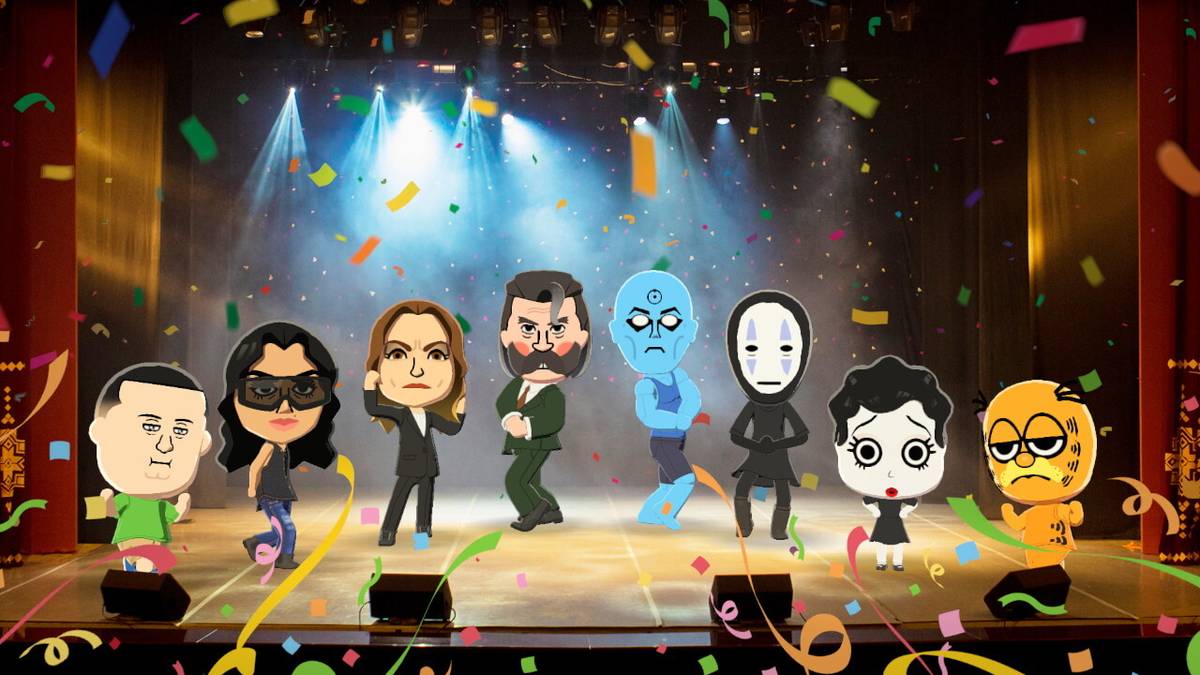
Despite the skepticism, *Living the Dream* has achieved significant commercial success, reporting strong initial sales of 3.8 million copies. From a business standpoint, the sequel is a massive win. However, the critical reception has been far more mixed, particularly concerning the core gameplay loop. Many dedicated fans feel a genuine sense of loss.
The primary point of contention centers on the removal of beloved classic features. Fans are vocal about the absence of the Concert Hall and the Judgment Hall minigames—mini-games that defined social interaction and quirky character development in previous entries. In their place, the game introduced a 'Mad Libs simulation,' a mechanic that critics argue feels like a significant downgrade, replacing organic, player-driven chaos with something more structured and predictable.
This shift has forced players to re-evaluate what 'fun' means within the franchise. The original charm of *Tomodachi Life* was its unpredictable, often nonsensical chaos. The current iteration, while polished, seems to favor controlled absurdity over genuine, messy life simulation.
Community Adaptation and Fan Empowerment

Instead of letting the official limitations define the experience, the dedicated fanbase has become the most powerful element of the ecosystem. When official functionality falls short, the community steps up, developing ingenious external tools that supplement the game's core mechanics. This dedication shows that the heart of the franchise lies in its community, not just its code.
These fan-made creations are rapidly becoming essential components of the player experience. Tools like TomodachiShare allow users to easily post their unique Miis, while the Tomo Board functions as a sophisticated relationship tracker, offering deeper insights than the official game allows. Furthermore, the emergence of sites like Living the Grid provides a powerful creative pipeline, enabling users to convert any image into pixel art for the game’s creation suite. These Tomodachi Life community tools are not just novelties; they are vital lifelines, proving that the player base is more innovative than the current game's development roadmap.
The commitment to extending the game's functionality shows a powerful player-developer relationship, one where the community is willing to fill in the gaps left by corporate development choices. This adaptability is what keeps the *Tomodachi Life* universe vibrant.
The Culture of Virality and Likes

A more pointed critique has emerged, questioning the very depth of player engagement. Some observers suggest that the primary motivation for engaging with *Living the Dream* might not be genuine enjoyment, but rather the generation of highly shareable, viral social media content. The focus, they argue, has shifted from friendship to spectacle.
This skepticism was highlighted by writers questioning the meaning behind specific, often political or highly topical figures, like Charlie Kirk, being placed on an island. The critique suggests that the attention is less about the characters' lives and more about the 'intoxicating' nature of likes and shares. A notable, if bizarre, trend exemplifies this: players creating content centered around cigarettes, culminating in one user designing a visually striking plate stacked with 500 cigarettes—a clear reference to a popular, niche joke from *The Orville*.
This meta-narrative adds a layer of complexity to the entire discussion around the Tomodachi Life sequel features. It forces players to confront whether they are playing a game, or are they participating in a content machine. The boundary between the two is constantly blurring.
The future of the franchise seems to rely on this very tension. Can the developers strike a balance between polished, marketable updates and the raw, unpredictable chaos that made the original so beloved? The answer may lie not in a massive DLC drop, but in embracing the chaos the community is already generating.
We anticipate a major overhaul of the core social mechanics in future patches, potentially introducing a customizable system that allows players to reintegrate elements like the Concert Hall and Judgment Hall. Furthermore, the development of official API endpoints for the popular third-party tools, such as Tomo Board, is highly likely, giving the community more official creative power. Finally, expect a focus on larger, episodic content packs that allow for deeper, structured role-playing, moving beyond pure viral comedy.
Frequently Asked Questions
What is the primary difference between the sequel and the original?
The sequel, *Living the Dream*, focuses on modernizing the mechanics and expanding the scope of character interactions. While it maintains the core island concept, it replaces classic minigames with new simulations, leading to a different, more structured gameplay feel.
Are there official Tomodachi Life DLC rumors for the next year?
Currently, there are no official announcements or confirmed dates for major DLC. However, community speculation often points toward a focus on seasonal events or new relationship mechanics to revitalize the core gameplay.
How can I use fan-made tools with the official game?
The best way to use these tools is to check community forums and dedicated fan websites, as some require external integration or manual data input. While some tools are seamless, others are designed to complement the game experience rather than replace it.
Confirmed details first, useful context second. This is the quickest path to the source trail and the next pages worth opening.
Source date: May 17, 2026