What if the most profound drama wasn't found in epic battles or galaxy-spanning conflicts, but in the quiet hum of fluorescent lights at 3 AM? Forget the adrenaline rush; *Inkonbini* asks you to slow down and pay attention to the small, vital moments of human routine. This isn't just a simulation; it's an emotional deep dive into the rhythm of late-night life.
The premise is deceptively simple: you are tasked with running a Japanese convenience store (konbini) during the quiet hours. But the apparent simplicity hides a compelling narrative engine. What this means for players: the game reframes the concept of "cozy gaming," elevating mundane tasks into meaningful acts of connection. The core of the experience revolves around the unique Inkonbini gameplay loop, a cycle of restocking, organizing, and observing that forms the backbone of the story.
The Quiet Drama of Konbini Nights: Mastering Inkonbini's Routine
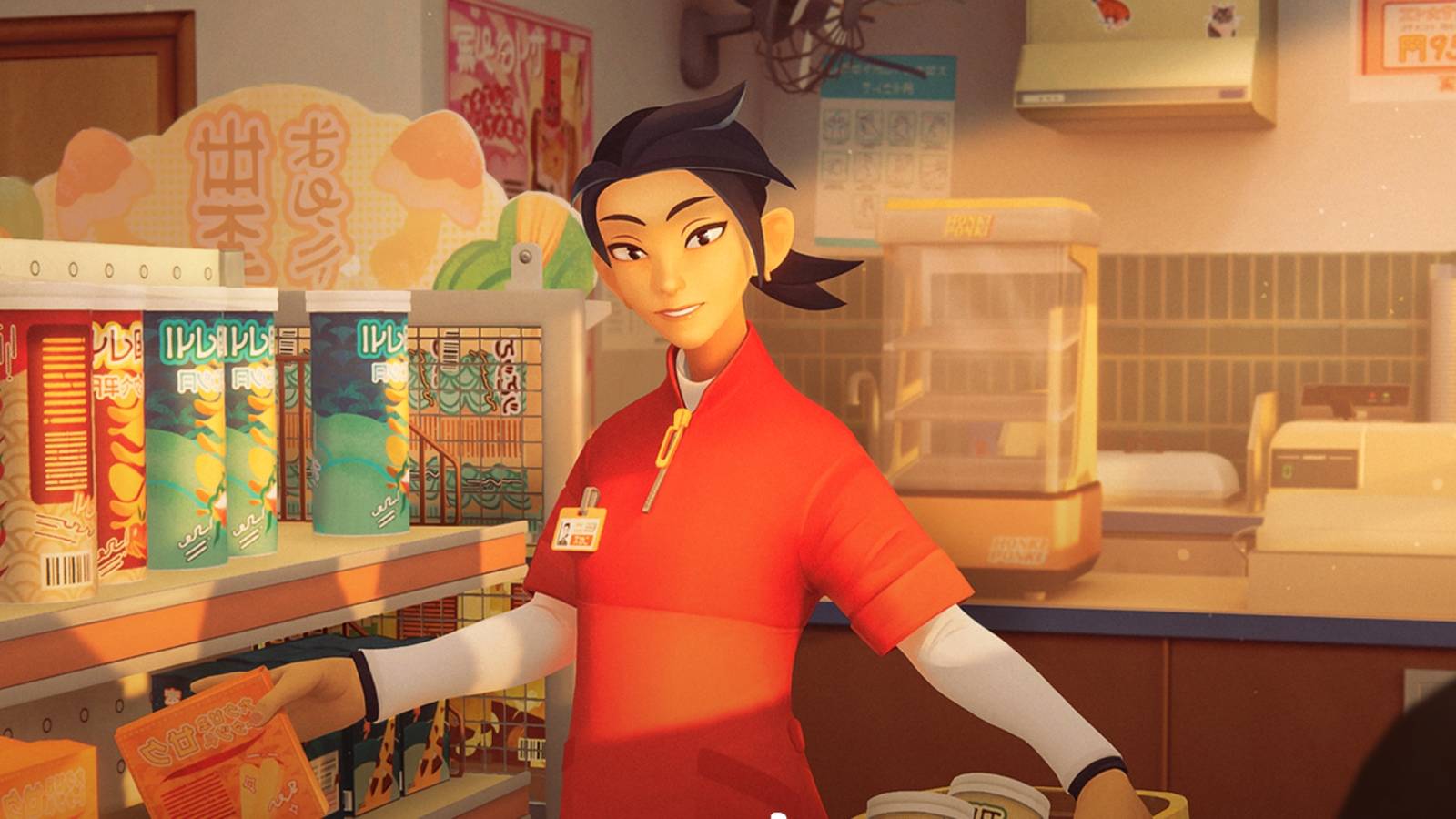
From the hands of Nagai Industries, *Inkonbini* is a gentle, yet surprisingly weighty, slice-of-life Japanese game. The gameplay centers entirely on the monotonous, yet essential, labor of the night shift. You step into the shoes of the protagonist, Makoto, who must manage the store solo. This isn't just clicking buttons; it's a meditative process of caretaking.
The routine is deeply satisfying. Players spend their time stocking shelves with everything from ramen cups and packaged coffee to manga volumes and snacks. You’ll be ordering products, meticulously arranging displays, and filling up empty baskets. This repetitive process is key to the game's emotional resonance. It grounds the player in the immediate environment, forcing them to find beauty and rhythm in the mundane. The masterful execution of the Inkonbini gameplay loop makes the effort feel necessary, not just arbitrary.
Makoto and the Regulars' Stories
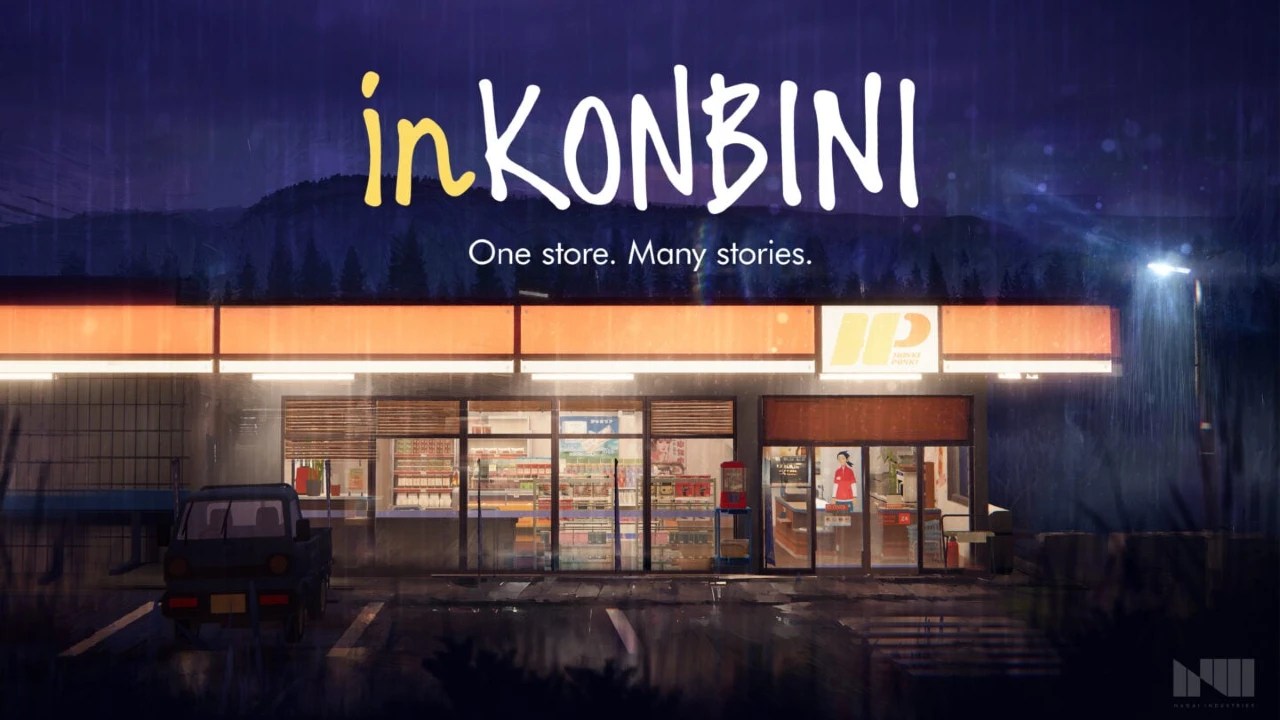
While the mechanics are grounded in stocking shelves, the heart of the game belongs to the characters. The narrative doesn't rely on grand plot twists; instead, it builds tension and meaning through active listening and small, shared moments. The regular customers—Chief, Satoshi, and Naomi—are the true anchors of the story.
Makoto's role transcends the manager; he becomes a silent confidant. The game excels at creating genuine intimacy, allowing the player to participate in helping these regulars overcome deeply personal struggles. You might spend a few minutes discussing the perfect instant coffee blend or noticing a specific manga volume that reminds a character of a lost memory. These small interactions are the currency of connection. The focus is on the emotional labor of empathy, making the entire experience feel incredibly rewarding.
The developers have crafted a world where the act of buying a drink or browsing a comic book becomes a catalyst for profound emotional realization. This emphasis on small-scale human drama sets *Inkonbini* apart from typical simulation titles.
Platform Reach and Thematic Depth

The reach of *Inkonbini* is ambitious, promising players a cohesive experience across multiple modern systems. It is slated for release on Nintendo Switch, PlayStation 5, Xbox Series X, Windows PC, and even the upcoming Nintendo Switch 2. This multi-platform strategy ensures that the quiet drama of the konbini can reach the widest possible audience.
The overarching theme is a powerful antidote to modern burnout. It explores the idea that meaning is not found at the peak of achievement, but in the consistent, grounding rhythm of daily life. It suggests that simply maintaining a routine, and maintaining connection with others, is enough to provide peace. For fans of the cozy simulation game Nintendo Switch genre, this offers a mature, narrative upgrade to the genre staple.
Understanding the Inkonbini characters and story shows that the setting—the late-night konbini—is itself a character: a liminal space where people can drop their masks and simply exist. This narrative depth elevates the game far beyond a simple management simulator.
The longevity of the title is hinted at by the breadth of its available platforms, suggesting continuous support and potential for expanded content, further deepening the player’s immersion into this unique slice-of-life setting.
The emotional weight of the Makoto konbini routine is a testament to the power of environmental storytelling. It reminds us that sometimes, the most exciting adventure is simply showing up, stocking the shelves, and being present for your neighbor.
***
Experts predict that the successful blend of deep narrative and satisfying routine mechanics will establish a new benchmark for the cozy genre. Future installments may expand the geography, allowing the player to manage multiple, distinct konbini locations. We anticipate a significant focus on seasonal events, adding holiday-specific narrative arcs and product cycles.
The long-term success of *Inkonbini* will likely depend on its community support, leading to potential modding tools or official expansions that allow players to customize the store environment and character interactions. Keep an eye on the platform announcements for further details regarding its full Inkonbini release platforms roadmap.
Frequently Asked Questions

What is the core gameplay loop in Inkonbini?
The gameplay revolves around managing a Japanese konbini night shift, which involves repetitive tasks like stocking shelves, organizing products, and ordering inventory. These routine actions drive the narrative and provide a calming, meditative experience.
Are there specific requirements for the Nintendo Switch 2 version?
While the game is confirmed for multiple platforms, specific hardware requirements for the Nintendo Switch 2 are not yet detailed. Players should monitor official channels for updated technical specs and release timing.
Does the story focus on deep character development?
Yes, the narrative emphasizes small, meaningful interactions with regular customers like Chief and Satoshi. The focus is on active listening and empathy, allowing players to help characters find peace through routine.
Confirmed details first, useful context second. This is the quickest path to the source trail and the next pages worth opening.
Source date: May 17, 2026