FF7 Rebirth Combat Style and the Future of JRPG Mechanics

Does the next great RPG have to sacrifice its turn-based roots for visceral, real-time action? For decades, the question has defined the genre: can strategic depth survive the onslaught of modern, action-centered titles? The debate has heated up, fueled by monumental shifts in gameplay design, exemplified by the explosive evolution of the *Final Fantasy 7 Rebirth combat style*. What this means for players: the line between classic turn-based strategy and modern action combat is not just blurring—it's being fundamentally redesigned.
Why this matters: Developers are no longer choosing between a rigid tactical system and a free-form action system. Instead, they are building hybrid experiences that demand both the foresight of a chess master and the reflexes of a fighting game champion.
The 'Legacy' Status of JRPGs

The narrative surrounding Japanese Role-Playing Games (JRPGs) has long been one of perceived decline. Many industry observers view the genre as a "legacy" category, constantly struggling to compete with the graphical fidelity and sheer scope of real-time AAA action franchises. This isn't just hype; it’s a genuine industry concern.
During the development of *Final Fantasy 7 Rebirth*, Director Naoki Hamaguchi openly addressed this issue. He highlighted the growing perception that the genre was seen as quaint or outdated compared to the glossy, rapid-fire action dominating the market. It’s a challenge that requires more than just better graphics—it requires proving that the core gameplay loop itself is revolutionary.
The industry needs to prove that the thoughtful, calculated nature of a good RPG is not a niche curiosity, but a sustainable, exciting form of interactive entertainment.
Strategy’s Universal Appeal Over Mechanics
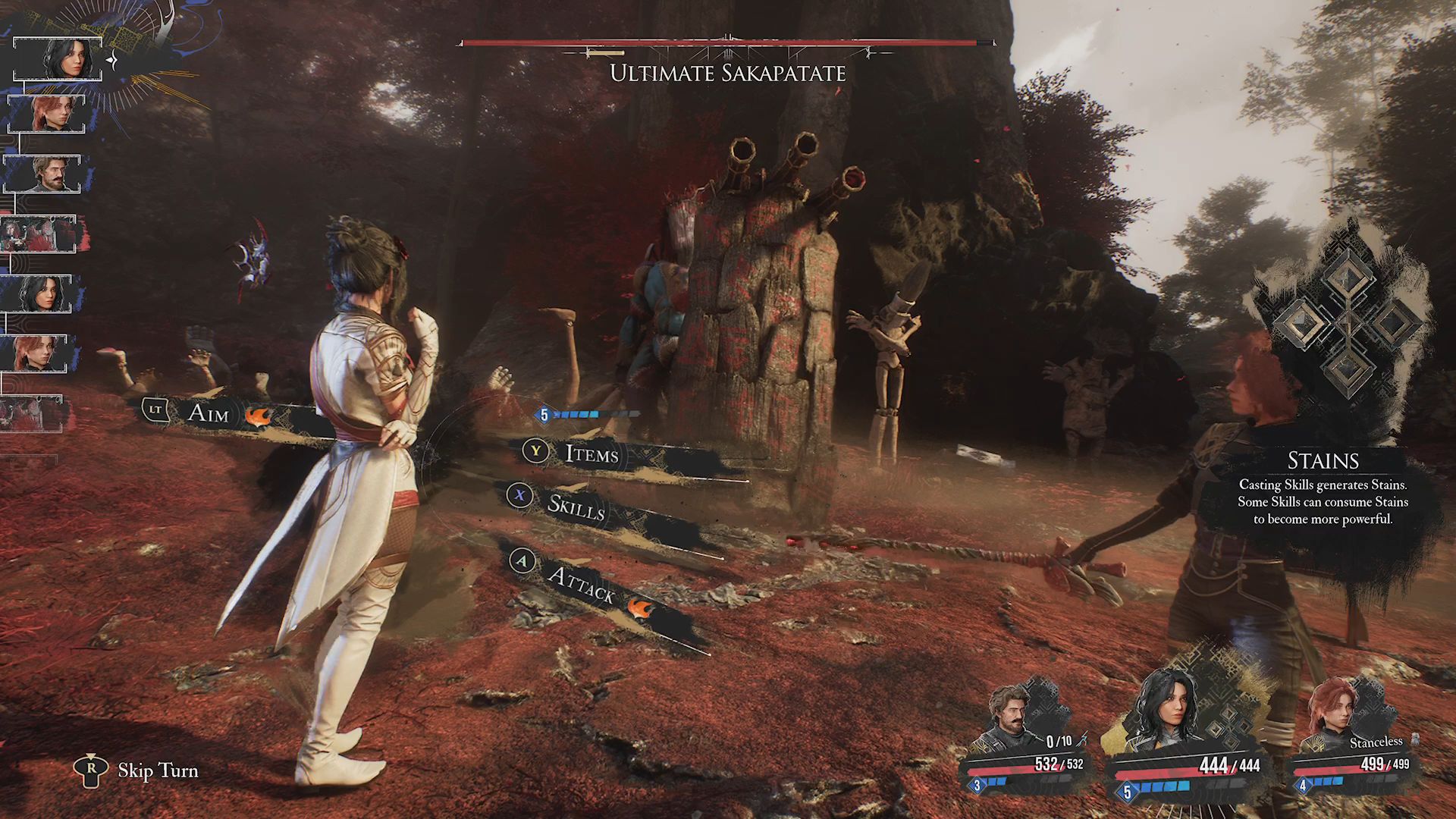
If the industry challenge is to convince the masses that JRPGs are relevant, the answer isn't simply to make them look more like open-world action games. The true strength, as Hamaguchi argued, lies in the mental experience. He emphasized that the core appeal of the genre is "deeply universal"—the process of evaluating complex situations and contemplating the optimal move.
This shifts the conversation away from simple mechanics and toward the intellectual satisfaction. It suggests that the most enduring RPG experience isn't defined by how fast the player can press a button, but by the quality of the decisions they make. The goal is to make the player feel smarter, not just more skilled.
Blending Combat for Modern Appeal
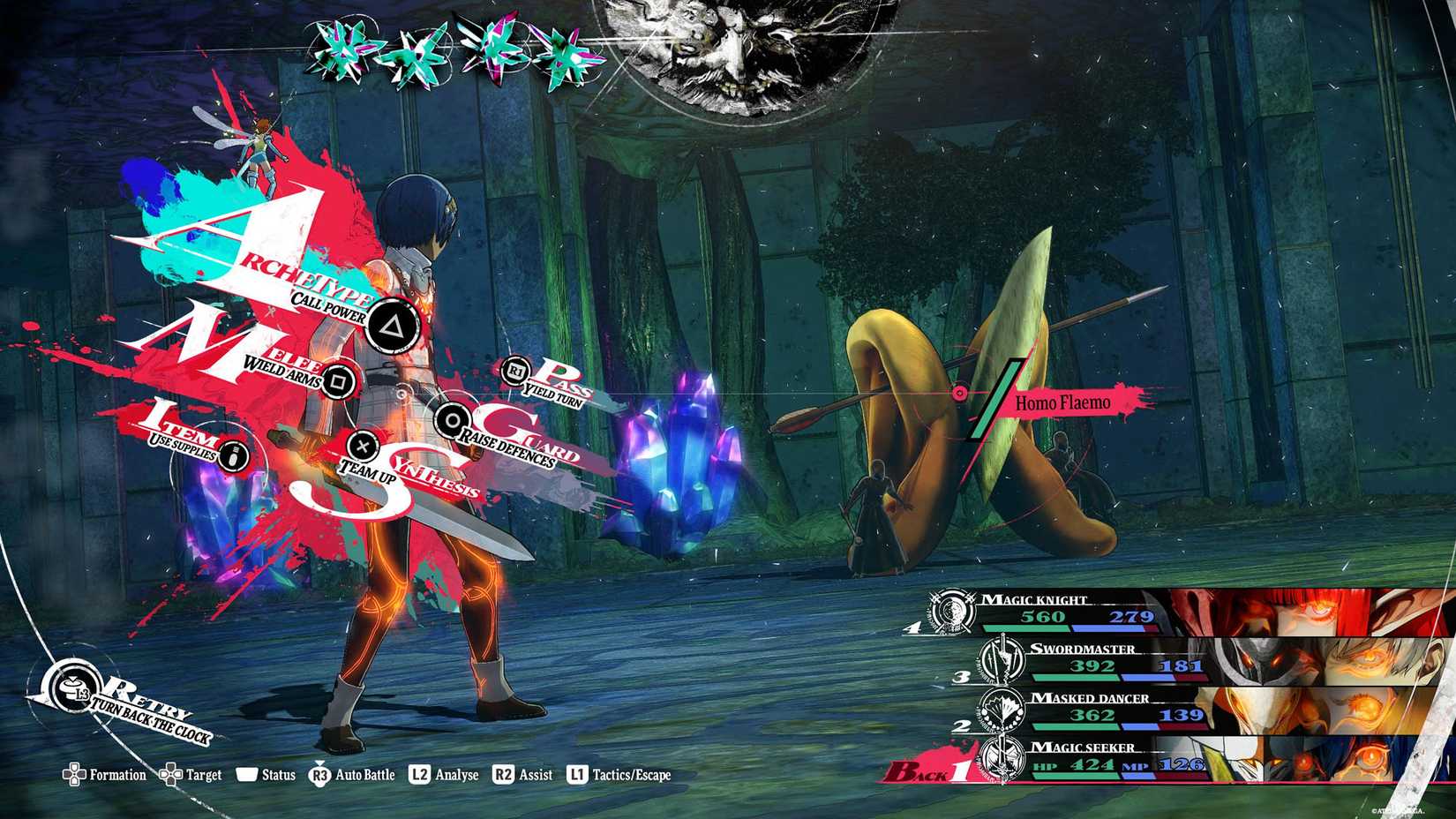
The mechanical shift seen in the *Final Fantasy 7 Rebirth combat style* is the clearest evidence of this evolution. The game didn't simply drop turn-based combat; it hybridized it. Players are constantly juggling tactical positioning, resource management, and real-time dodging, forcing a blend of action-centered RPG mechanics that were previously considered mutually exclusive.
This integration is the key to modernizing the genre. Instead of forcing a choice between the meticulous planning of a traditional turn-based system—like the tactical depth seen in *Persona Yakuza turn-based tactics*—and the immediate gratification of action, developers are weaving them together. The combat demands that you think *and* act simultaneously.
This hybrid approach elevates the combat system, offering a depth that satisfies both the veteran strategist and the casual action player. The result is a combat system that feels fresh, urgent, and highly rewarding.
Market Signals and Genre Persistence
Despite the overwhelming market push toward high-budget, real-time, open-world action titles, the data suggests that the appetite for deep, turn-based mechanics remains surprisingly robust. Games like *Heroes of Might and Magic: Olden Era* prove that dedicated audiences are still actively seeking the cerebral challenge that traditional RPGs provide.
This duality—the mainstream demand for constant action versus the loyal niche craving for tactical depth—is what defines the next wave of RPG development. The best combat systems won't be pure action, nor will they be purely turn-based. They will be systems that allow the player to dictate the level of mechanical intensity, adapting to their preference while maintaining strategic rigor.
The *Final Fantasy 7 Rebirth combat style* serves as a blueprint for this delicate balance, proving that strategic thinking can be packaged into a high-octane, cinematic experience without sacrificing its core identity.
The Future of RPG Development
The next generation of RPGs will likely feature modular combat systems, allowing players to dial up or down the level of real-time input. We can expect more developers to focus on making the *JRPG turn-based vs real-time* decision feel like an enhancement, not a compromise.
Furthermore, the focus will shift from simply showing cinematic battles to making the player feel integral to the moment-to-moment combat flow, demanding constant strategic micro-decisions.
We are entering a period where the most successful RPGs will be those that treat genre mechanics not as rules, but as adaptable toolkits.
Frequently Asked Questions
Does FF7 Rebirth combat change the genre?
It doesn't discard the genre, but it expands it. By successfully blending real-time action with deep strategic resource management, it establishes a new benchmark for action-centered RPG mechanics.
Is turn-based combat dead in modern RPGs?
No. While action is popular, the market still shows a sustained, passionate demand for strategic depth. Hybridizing systems, as FF7 Rebirth does, is the modern solution to keep the genre relevant.
What does the combat style mean for future RPGs?
It means future titles will increasingly adopt hybrid combat. Expect systems that reward strategic foresight while maintaining the high-stakes, moment-to-moment urgency of action games.
Confirmed details first, useful context second. This is the quickest path to the source trail and the next pages worth opening.
Source date: May 17, 2026