Rhell: Mastering the Deep Magic Systems of a Vanishing Kingdom
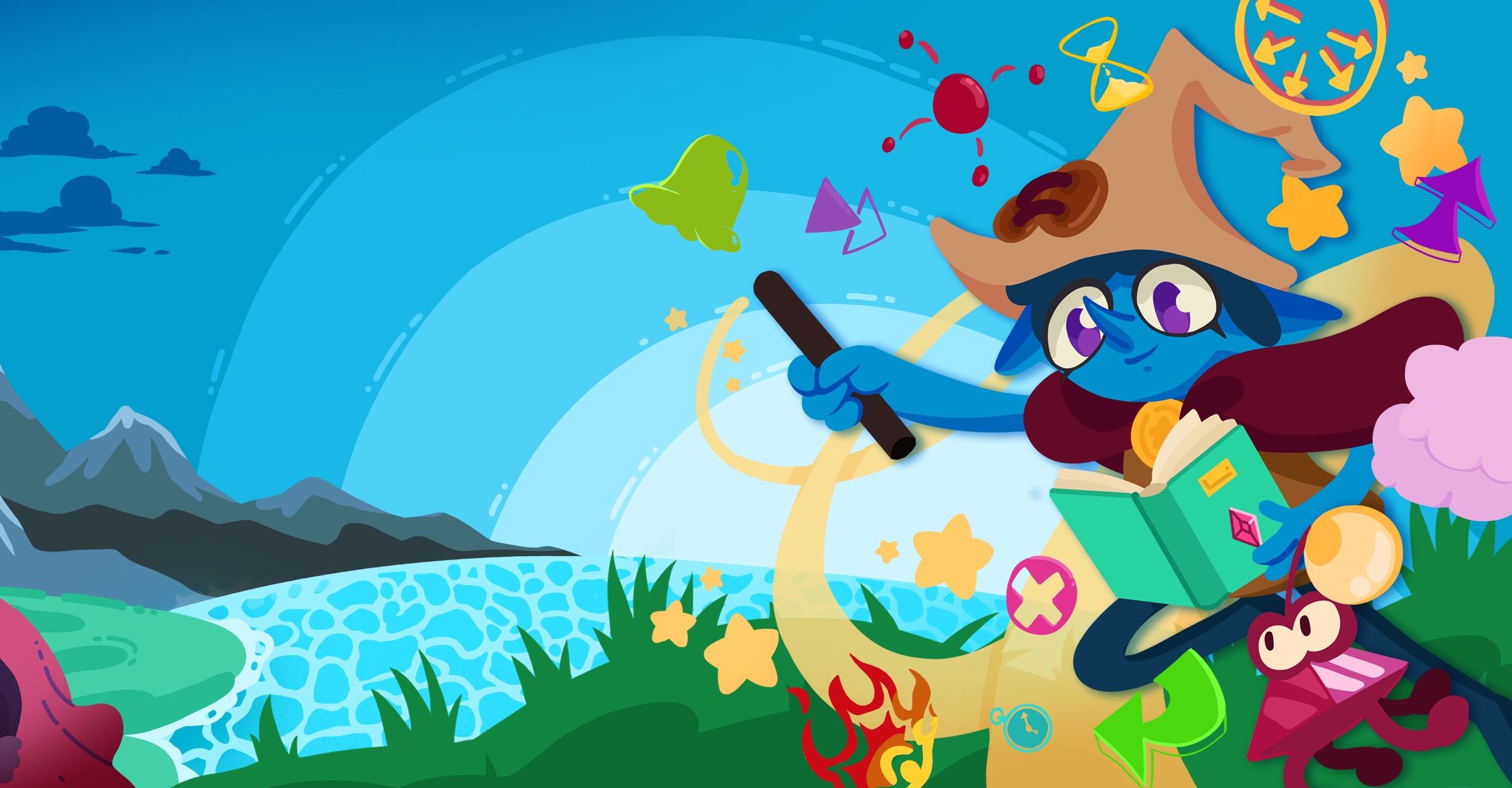
What if the very foundation of civilization was unraveling, not through war, but through silence? You are dropped into a kingdom where the people simply vanish, leaving only echoes and unanswered questions. This isn't just another fantasy quest; it’s a profound puzzle box of magic and mystery.
The moment you step into the shoes of Rhell, a curmudgeonly apprentice mage who has been away from his studies for eight years, the stakes feel incredibly personal. The core experience of Rhell mage RPG gameplay is less about combat spectacle and more about intricate deduction. What this means for players: the game rewards deep understanding of its rules, making every discovery feel earned and every spell combination feel vital.
The Mystery of the Vanishing Kingdom
The narrative premise is immediately gripping. The kingdom is not under siege by a visible enemy; it is simply losing its population. This absence forces the player to look inward, examining the relationships between the remaining inhabitants and the peculiar magical residue left behind. The goal is clear: uncover the devastating cause of the widespread disappearances and restore order to the crumbling society.
The storytelling excels because the mystery itself acts as a systemic constraint. You aren't just following a villain; you are piecing together a cosmic puzzle. The environment, the characters, and the magic all contribute to the sense of dread and scholarly pursuit. It grounds the player in a genuinely unique setting, making the stakes feel monumental and immediate.
Systemic Magic and Spell Crafting
If the mystery provides the heart, the magic provides the brain. This is where *Rhell* distinguishes itself. It is a genuinely systemic world, meaning that natural rules govern interactions, making the magic feel less like an ability list and more like a physical law. Fire still burns wood, and combining fire with ice doesn't just make a cool visual effect—it functionally creates water, which can then be used in a puzzle.
The magic system is managed through a personalized grimoire containing forty distinct spells, or runes. But the true genius lies in the combination mechanic. Players can combine up to five spells simultaneously. This allows for novel incantations and enhanced effects that the developers could not have predicted. For example, combining a 'push' spell with a 'lift' spell doesn't just move an object; it creates a dynamic, airborne, jumping puzzle element.
This focus on combining abilities makes the combat and puzzle-solving feel deeply strategic. It is an exemplary demonstration of a *Rhell spell combination system* that pushes the boundaries of what a *best fantasy RPG puzzle game* can be. It demands that players think like mages, not just heroes.
Rhell’s Deep Systemic Puzzles
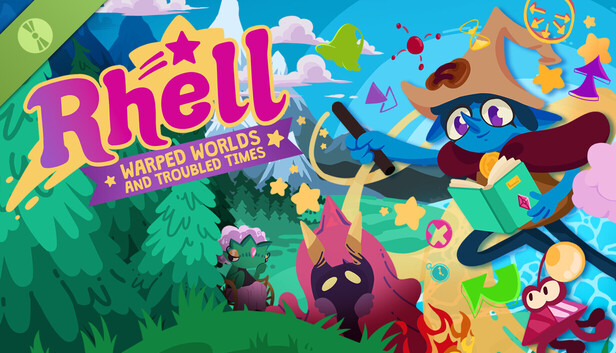
What sets *Rhell* apart from contemporaries is its commitment to depth over flash. While many top-down adventure games rely on linear progression, *Rhell* presents a true systemic world puzzle experience. The environment itself is often the final boss. You might need to use a combination of elemental runes, gravity manipulation, and timing just to open a single passage.
The mechanics elevate the gameplay far beyond typical resource management. Instead of simply finding the key, you might need to use a combination of spells to temporarily change the molecular structure of the lock itself. This level of granular detail means that every spell, every rune, and every interaction matters. This commitment makes the game an absolute must-play for fans of intellectual fantasy and deeply realized lore.
The depth of the *Rhell systemic world puzzles* ensures exceptional replayability. Even after completing the central mystery, the mechanics offer enough variability that returning players will always find a new combination or a new corner of the map to puzzle through. It solidifies its place as a pinnacle of the *Rhell top-down adventure game* genre.
The Future of Systemic RPGs
The success of *Rhell* isn't just about its current mechanics; it's about the blueprint it provides for the future of the genre. By making the rules of magic themselves the primary puzzle element, the game elevates the player from mere participant to active magical architect.
The influence of this kind of deep, interconnected gameplay is palpable. It suggests a trend toward "systems over spectacle" in high-fantasy titles. Developers are realizing that the most engaging content isn't a massive boss fight, but a beautifully crafted, logical problem that requires the player to master a complex internal logic—the very definition of *Rhell mage RPG gameplay*.
Looking ahead, the industry may see more titles embracing this level of systemic detail, demanding that players become experts in the game's internal physics rather than just mastering button combos.
We predict that the success of this model will inspire a wave of puzzle-heavy RPGs that focus on environmental interaction. Furthermore, we anticipate that follow-up titles will expand the systemic scope to include political or economic mechanics, adding another layer of complexity. Finally, the industry will likely see a greater acceptance of niche, puzzle-first fantasy titles over sprawling, action-heavy open worlds.
Frequently Asked Questions
Is Rhell available on all major platforms?
Currently, the game is confirmed for PC and next-generation consoles. Players should check the official developer roadmap for details regarding potential future platform releases.
How complex is the spell combination system?
The system allows combining up to five distinct runes, meaning the complexity is high but the learning curve is guided by the in-game puzzles. Mastering the combination system is key to progression.
Does the game require constant online connectivity?
The core story and puzzle progression can be experienced offline. However, certain community-driven puzzle challenges or updates may require an internet connection.
Confirmed details first, useful context second. This is the quickest path to the source trail and the next pages worth opening.
Source date: May 17, 2026