EasySMX D10 vs GameSir G7 Pro: Choosing the Best Third-Party Controller
Are you tired of the same limited options when it comes to gaming peripherals? If the standard console controllers feel sluggish, outdated, or prone to failure, you're not alone. The market for gaming hardware has undergone a massive upheaval, and the biggest breakthroughs aren't coming from the platform giants—they're coming from specialized, independent manufacturers.
What this means for players: The days of settling for "good enough" are over. Today, genuinely advanced hardware is available that offers specialized features, unparalleled customization, and performance metrics that far exceed the standard console offerings. This shift makes finding the absolute best third-party gaming controllers more critical than ever.
- Specialized third-party options offer features like TMR sticks, dual trackpads, and magnetic triggers.
- The competition is intense, pitting the Steam Controller against powerhouses like the EasySMX D10 and GameSir G7 Pro.
- Polling rate and stick technology are the defining metrics for truly high-end alternative gaming controllers.
The Controller Wars: Why Third-Party Options Are Dominating the Market
While Amazon's best-seller lists still feature the familiar, reliable Xbox controller, the true action is happening in the specialized corners of the peripheral market. These independent brands are not just making cheaper knock-offs; they are engineering genuinely advanced gaming inputs designed for the most demanding, competitive players. They are building tools, not just accessories.
Why this matters for players: The focus has shifted from simple compatibility to raw performance. Gamers are now demanding deep customization, technical longevity, and features that translate directly into competitive advantages, regardless of which console or PC platform they are playing on.
Beyond the Big Three: The Rise of Premium Third-Party Controllers
The industry has matured past the point of relying solely on the original console hardware. If you are looking for specialized features and are comfortable looking at budgets up to $100, the selection of advanced options is staggering. These devices incorporate technology that simply hasn't reached mainstream console controllers.
We're talking about features like advanced TMR analogue sticks, dual trackpads for tactical mapping, and dual-stage magnetic triggers that offer variable resistance. These specialized inputs vastly exceed what the standard console offerings provide, positioning third-party hardware as a legitimate performance upgrade.
EasySMX D10 vs GameSir G7 Pro Controllers

When comparing specific models, the competition heats up. Two names dominate the high-end conversation: the EasySMX D10 and the GameSir G7 Pro. Both are designed to give the player a competitive edge, but they approach the performance metrics differently.
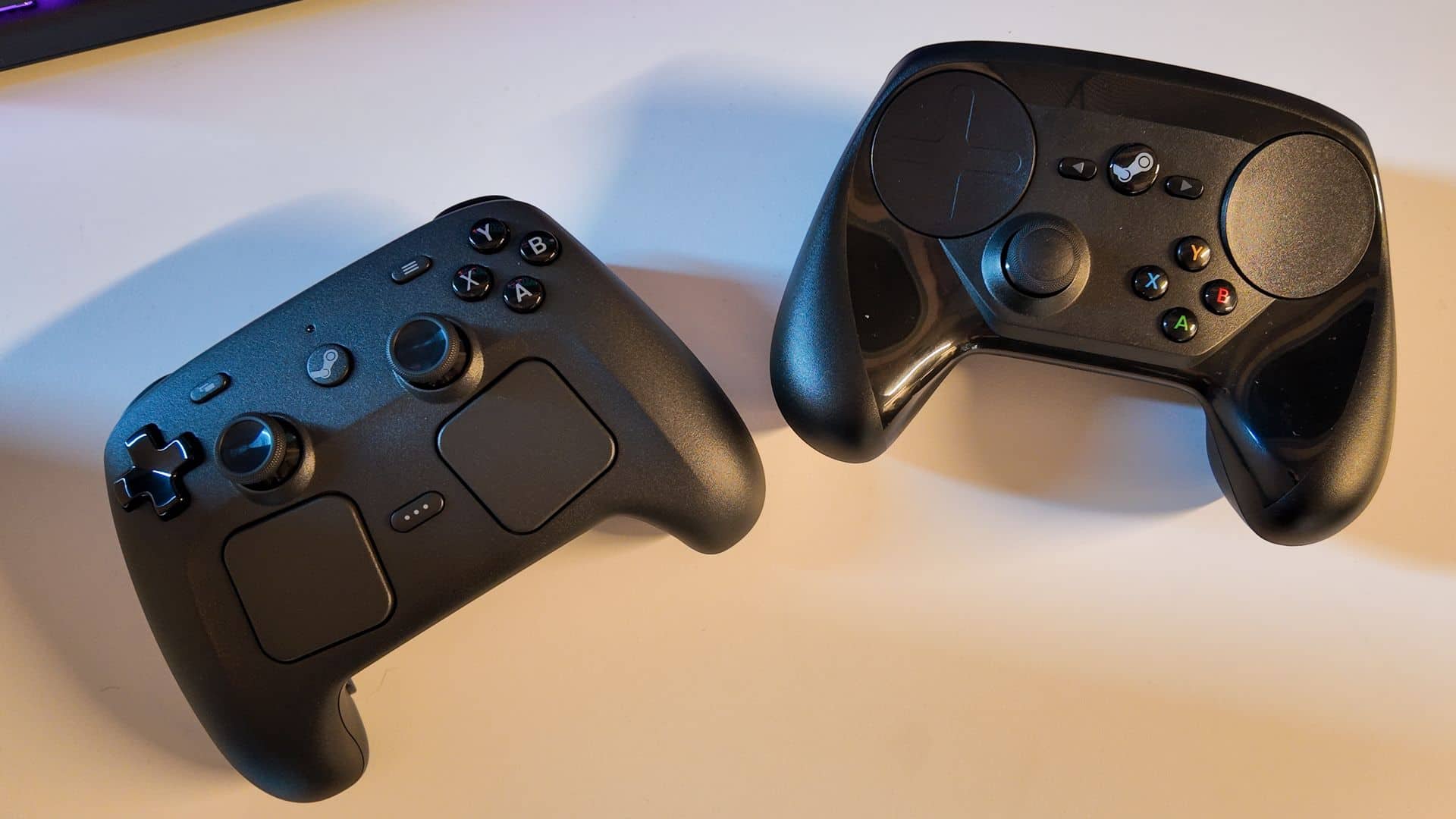
The Steam Controller, for instance, set a high bar with its extensive feature set, boasting TMR sticks, extra custom buttons, dual trackpads, gyro support, and even a 35-hour battery life. However, other premium options challenge that benchmark, particularly when considering the specific needs of the competitive shooter or racing enthusiast.
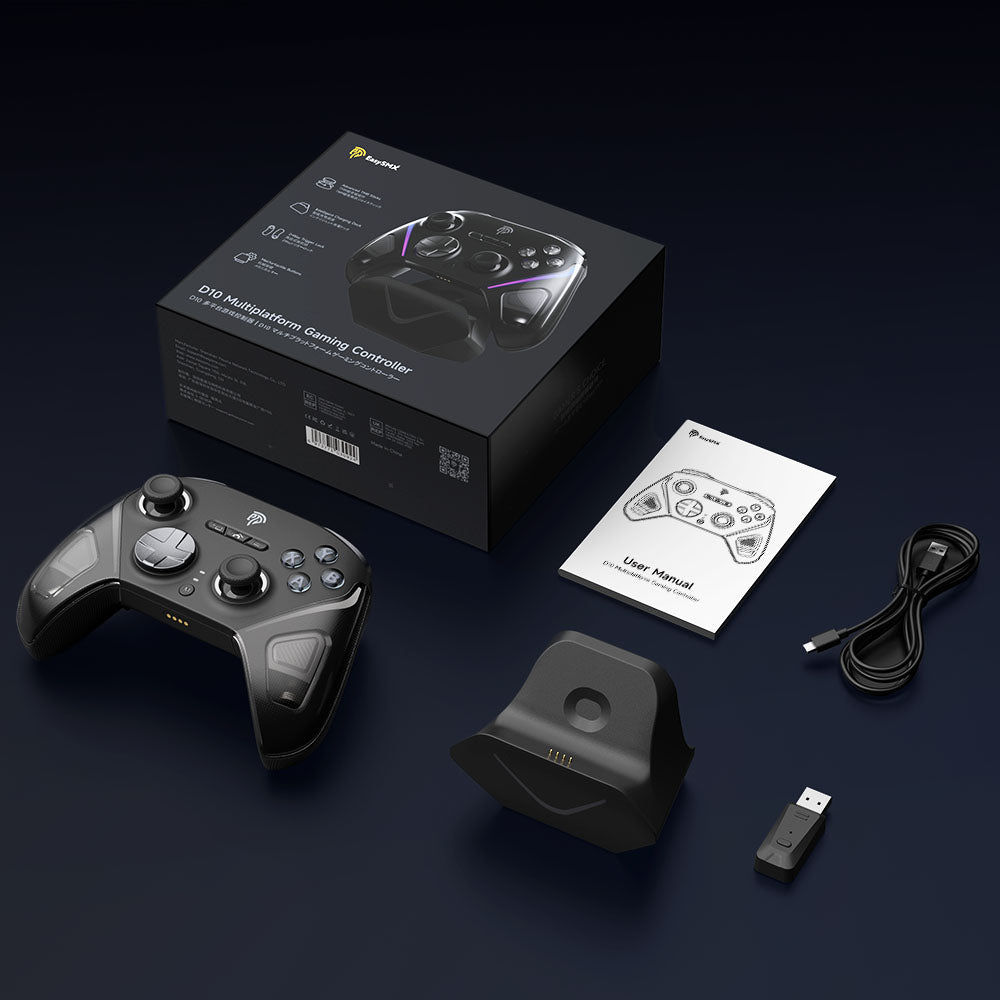
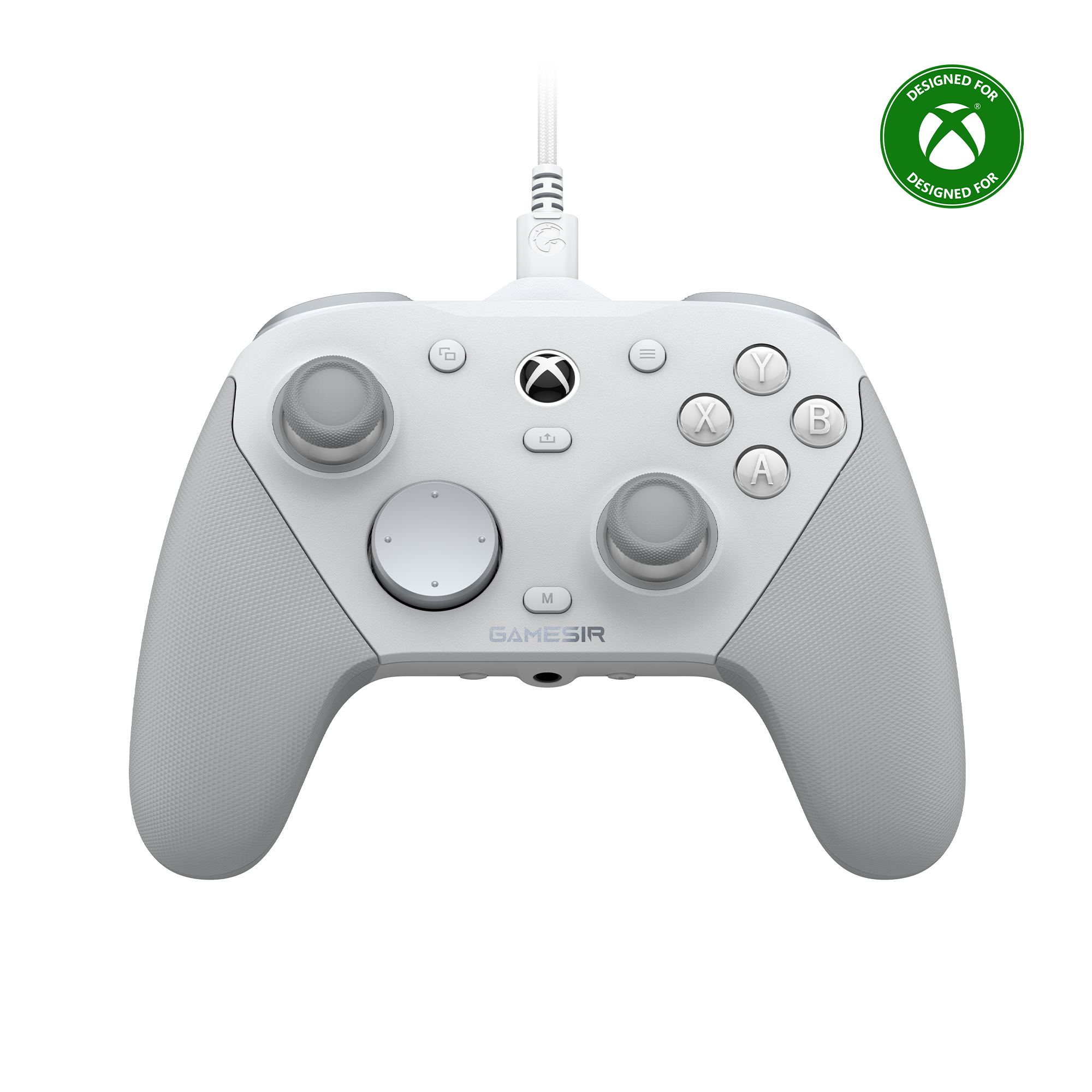
The EasySMX D10 is a notable contender, boasting TMR sticks and a significantly higher polling rate, coupled with linear Hall effect switches for maximum durability. Meanwhile, the GameSir G7 Pro steps into the ring as a strong alternative. It provides many of the same high-end features found in the D10 but often with superior build quality and a more aggressive price point, making it a formidable choice.
Polling Rate and Stick Technology Deep Dive
For the hardcore gamer, the differences are often measured in technical specifications. This is where the technical merits of the best third-party gaming controllers become clear, especially when comparing crucial metrics like the polling rate and stick type.
The difference in controller polling rate comparison is enormous. Higher polling rates mean the controller sends data to the PC or console faster, resulting in near-instantaneous input registration. This is a critical factor that separates good controllers from truly professional-grade gear. Furthermore, considering drift-resistant controller options is non-negotiable today. The shift toward TMR (Torque Motorized Resistance) sticks is key, as these eliminate the physical wear and tear that plagues cheaper analog sticks.
To help simplify the complex comparison, here is a look at the key differences between these top-tier options:
| Feature | Steam Controller | EasySMX D10 | GameSir G7 Pro |
|---|---|---|---|
| Primary Strength | Feature Richness, Ecosystem | Polling Rate, Hall Effect Switches | Build Quality, Value |
| Stick Tech | TMR Sticks | TMR Sticks | TMR Sticks |
| Polling Rate | Standard | Four-times Greater | High |
| Unique Feature | Dual Trackpads | Linear Hall Effect Switches | Superior Build Quality |
Choosing the right hardware depends entirely on your priority: the Steam Controller excels in feature diversity; the EasySMX D10 focuses on raw, measurable input speed; and the GameSir G7 Pro aims to provide a nearly perfect balance of premium features at a highly accessible price.
The future of gaming input is modular and highly customizable. We expect manufacturers to push the envelope even further by integrating wireless charging docks and adaptive trigger systems that mimic the feeling of real-world mechanical failure, giving players deeper immersion.
We predict that the industry will see more dedicated software integrations that allow users to map peripheral functions far beyond the basic button inputs. Furthermore, the market will increasingly favor open-source standards, allowing for easier customization and repair outside of the original manufacturer's ecosystem.
The race for the ultimate gaming peripheral is far from over, solidifying the third-party market as a permanent and powerful force in gaming technology.