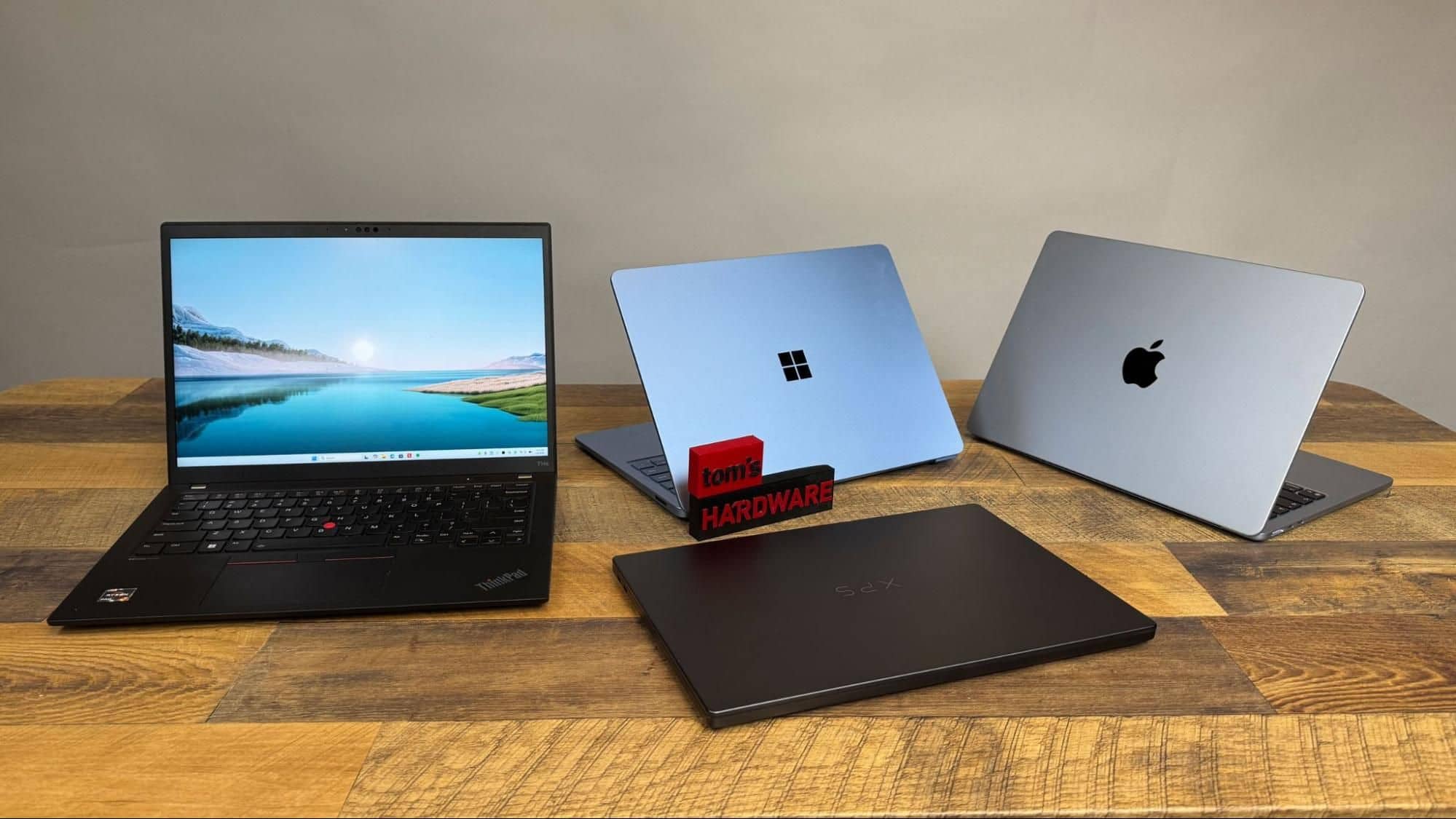
The 2026 Laptop Silicon Landscape
The laptop market remains one of the most fiercely competitive segments in consumer tech, forcing major manufacturers to push boundaries with groundbreaking processors. As of April 11, 2026, industry analysis confirms that the battle for the best portable computing experience is being waged across four distinct architectural fronts: Intel, AMD, Apple, and Qualcomm. Readers should pay close attention to these shifts because the choice of CPU dictates everything from raw gaming performance to battery longevity and software compatibility. For those building a powerful machine in 2026, the lineup is headlined by Intel’s Core Ultra (Series 3) chips, code-named Panther Lake, alongside AMD’s newly launched "Gorgon Point" Ryzen AI processors. Meanwhile, Apple continues to refine its internal ecosystem with the M5 series, while Qualcomm’s Snapdragon chips are aggressively pushing the Windows on Arm platform.
Intel and AMD's x86 Battleground
The traditional Windows PC space remains dominated by x86 architecture, with Intel and AMD serving as the primary powerhouses. Intel’s latest offering, the Core Ultra Series 3 (Panther Lake), represents a significant step in AI integration and efficiency. These chips are designed to handle complex, multi-threaded workloads common in modern gaming and content creation. They aim to maintain Intel's reputation for raw, high-clock-speed performance, making them a reliable choice for users who prioritize maximum graphical output.
AMD, following its presentation at CES, introduced the "Gorgon Point" Ryzen AI processors. AMD has consistently focused on balancing high performance with integrated AI capabilities, making these chips highly competitive against their rivals. The inclusion of dedicated AI accelerators within the CPU package is a major selling point, suggesting that future software optimization will heavily rely on these specialized cores. For gamers, the competition between Intel and AMD is less about which chip is "better" overall, and more about which manufacturer optimizes the cooling and power delivery system best for the specific chassis.
Key Considerations for Windows Users
When comparing these two giants, users must weigh raw clock speed against integrated AI efficiency. Both Intel and AMD are making strides in power management, but the final performance will always depend on the laptop's cooling solution. For maximum portability and all-day battery life, look for models that pair these chips with efficient, modern cooling systems.
Apple Silicon's Refined Ecosystem
Apple continues to operate within a highly optimized, vertically integrated ecosystem, making its MacBook lineup a benchmark for efficiency and performance. The M5 series, including the M5 Pro and M5 Max chips, are available in the MacBook Pro and MacBook Air. These chips are renowned for their exceptional power efficiency, allowing them to deliver industry-leading performance while maintaining remarkable battery life—a crucial factor for mobile professionals and students.
While the M5 series is incredibly powerful for creative and professional tasks, gamers must consider the compatibility of their specific titles. Apple's architecture excels in optimizing performance for its own hardware and software stack, but the gaming library, while improving, still lags behind the sheer breadth of titles available on Windows platforms. However, for users who prioritize a seamless, stable experience and best-in-class battery life, the M5 remains a formidable contender.
The Ascent of Windows on Arm
A third major force reshaping the laptop market is Qualcomm’s push with the Snapdragon Elite Extreme, Elite, and Plus series chips. These processors are driving the Windows on Arm initiative, representing a significant shift away from traditional x86 architectures. Qualcomm’s strategy is focused on creating a highly efficient, low-power computing experience that can compete directly with Apple's efficiency metrics.
The second generation of these chips is reportedly launching this year, promising further improvements in performance and compatibility. While the initial adoption of Windows on Arm faced compatibility concerns, the continuous improvement in emulation layers and native support for common applications is rapidly changing the narrative. For users who value extreme battery life and a clean, modern design, the Arm platform offers a compelling alternative, though gamers should verify that their favorite titles run natively or through optimized emulation.
Choosing the Right 2026 Machine
The sheer variety of options—from Panther Lake to M5 Max to Snapdragon Elite—means that selecting a laptop requires defining your primary use case. There is no single "best" laptop; there is only the best fit for your needs. Consider the following factors when making your purchase decision:
- Maximum Gaming Power: Focus on high-TDP (Thermal Design Power) models featuring the latest Intel Core Ultra or AMD Ryzen AI processors, ensuring robust cooling is prioritized.
- Professional Efficiency: Apple M5 series machines offer unmatched performance-per-watt, ideal for video editing, coding, and all-day portability.
- Battery Life & Portability: Qualcomm's Snapdragon platform and Apple Silicon are leaders here, providing exceptional longevity, especially for non-gaming tasks.
Ultimately, the 2026 laptop market is defined by specialization. If your priority is raw, bleeding-edge gaming performance across all titles, the x86 battle between Intel and AMD remains the most robust choice. If battery life and a streamlined experience are paramount, Apple and Qualcomm offer compelling, highly optimized alternatives. The industry's rapid evolution ensures that the next generation of chips will only increase the complexity—and the power—available to the consumer.
Confirmed details first, useful context second. This is the quickest path to the source trail and the next pages worth opening.
Source date: April 11, 2026