Tesana's AI Engine Reshapes Game Development Landscape
The gaming industry is perpetually chasing the next big leap, and Tesana might just have delivered it. This ambitious startup is pioneering an AI-driven game engine that promises to translate natural language descriptions directly into structured code. Imagine sketching out your game idea in plain English and watching the engine build the foundational architecture. This isn't science fiction; it's Tesana's current reality, and it's poised to send seismic waves through the indie development scene.
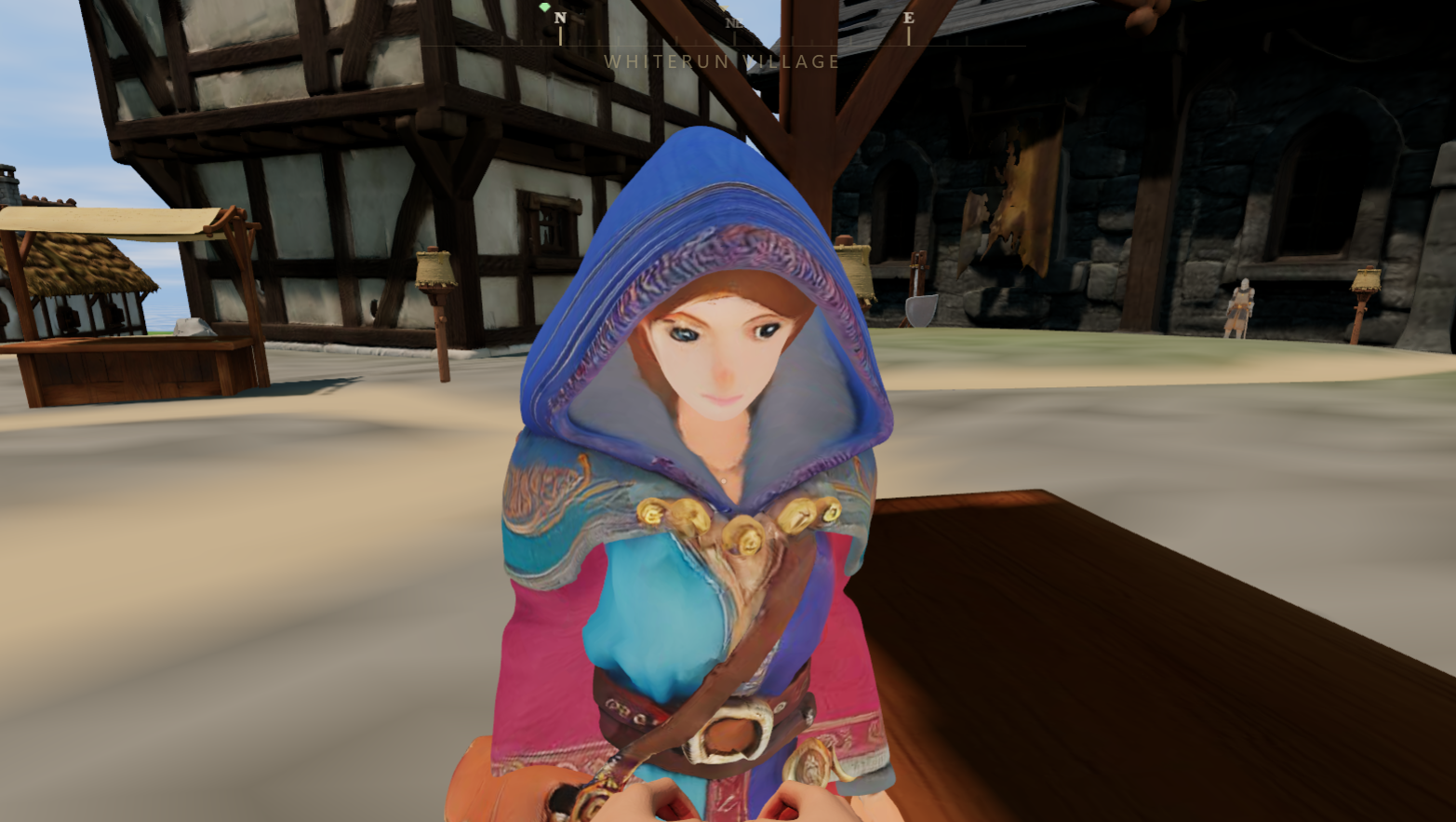

The implications are enormous. Tesana's tool aims squarely at democratizing game development, lowering the formidable barrier to entry that has historically kept countless creative visions confined to notebooks and dreams. By significantly increasing the potential volume and, crucially, the quality of indie games that can be produced, Tesana could usher in an era of unprecedented creative output. This isn't just about making game development easier; it's about making it accessible to a much wider pool of talent. The promise is a flood of fresh, innovative experiences that might otherwise never see the light of day. This could be the catalyst for a new golden age of indie gaming, characterized by diversity and rapid iteration.
Vermandois Sparks Uniqueness Debate
However, this technological marvel isn't without its detractors. Critics are already voicing valid concerns about the inherent nature of AI-generated content. Questions are swirling around the true originality and the degree of creative control developers retain when their primary tool is an algorithm. Can an AI truly replicate the nuanced artistic vision, the unexpected quirks, and the soul that a human creator imbues into their work? The debate rages: will AI-generated games, while potentially abundant, ultimately lack the distinctiveness and personal touch that defines the most memorable gaming experiences? This tension between efficiency and artistic integrity is a familiar one in creative fields, but it takes on a new urgency in the context of AI's accelerating capabilities.
The fear is that a reliance on AI could lead to a homogenization of game design, where titles begin to feel derivative, echoing patterns learned from vast datasets rather than forging entirely new paths. The very definition of "unique" is being challenged. While AI can certainly generate novel combinations of existing elements, the spark of true, groundbreaking innovation—the kind that redefines genres—is a different beast entirely. This is where the human element, with its subjective experiences, emotional depth, and capacity for abstract thought, remains paramount. The industry is watching closely to see if Tesana's engine can foster genuine novelty or merely sophisticated pastiche.
Tesana's Vermandois Envisions New Markets
Despite the reservations, Tesana's founder, Vermandois, remains resolutely optimistic, envisioning a future where AI-generated games don't just compete with traditional titles but create an entirely new market segment. This isn't about replacing human developers, but about expanding the gaming ecosystem. Vermandois believes AI can foster a new kind of hobbyist engagement, allowing users to participate more deeply in the creation process. Imagine players not just experiencing games, but actively contributing to their evolution, shaping worlds and mechanics through intuitive AI interfaces. This could transform gaming from a purely consumption-based medium into a more collaborative and participatory art form.
The potential here is to tap into a latent desire for creative expression that many gamers possess but lack the technical skills to act upon. If Tesana can truly deliver on its promise of accessible, AI-powered creation tools, it could empower millions to become game makers, not just players. This vision extends beyond simple modding; it suggests a future where the line between player and developer blurs significantly. The economic and cultural impact of such a shift could be profound, leading to a more dynamic and engaged gaming community. It's a bold prediction, but one that reflects the transformative potential of artificial intelligence in the creative industries.
AI Engine's Impact on Gaming Development
The advent of Tesana's AI game engine represents a significant inflection point for the industry. While the immediate benefits for indie developers are clear—accelerated prototyping, reduced coding burdens, and potentially lower development costs—the long-term consequences are still unfolding. The debate over AI's role in creativity is not unique to gaming, but Tesana's direct application to code generation makes it particularly pointed. This technology forces us to confront what constitutes authorship and originality in a rapidly evolving digital landscape. The industry is at a crossroads, balancing the promise of unprecedented accessibility and efficiency against the enduring value of human artistry and unique creative voices. The next few years will reveal whether AI becomes a powerful co-pilot for human ingenuity or a force that fundamentally alters the nature of game creation itself.
Frequently Asked Questions
When will Tesana's AI game engine be available?
Tesana has not yet announced a public release date for its AI game engine. Developers are likely participating in early access or beta testing programs.
What are the hardware requirements for using AI game development tools?
Hardware requirements can vary significantly, but advanced AI processing often benefits from high-end GPUs and substantial RAM. Specifics for Tesana's engine are not yet public.
Can AI-generated games be sold commercially?
The commercial viability and licensing of AI-generated content are complex legal and ethical areas still being defined. Tesana's terms of service will be crucial for understanding commercial use.
Tags : #TesanasAI #GameEngineDebate #CreativityControl #GamingInnovation #TechNewsUpdate
Confirmed details first, useful context second. This is the quickest path to the source trail and the next pages worth opening.
Source date: April 3, 2026