Tau Ceti's Rise: Why This Star System Is Dominating Sci-Fi Media
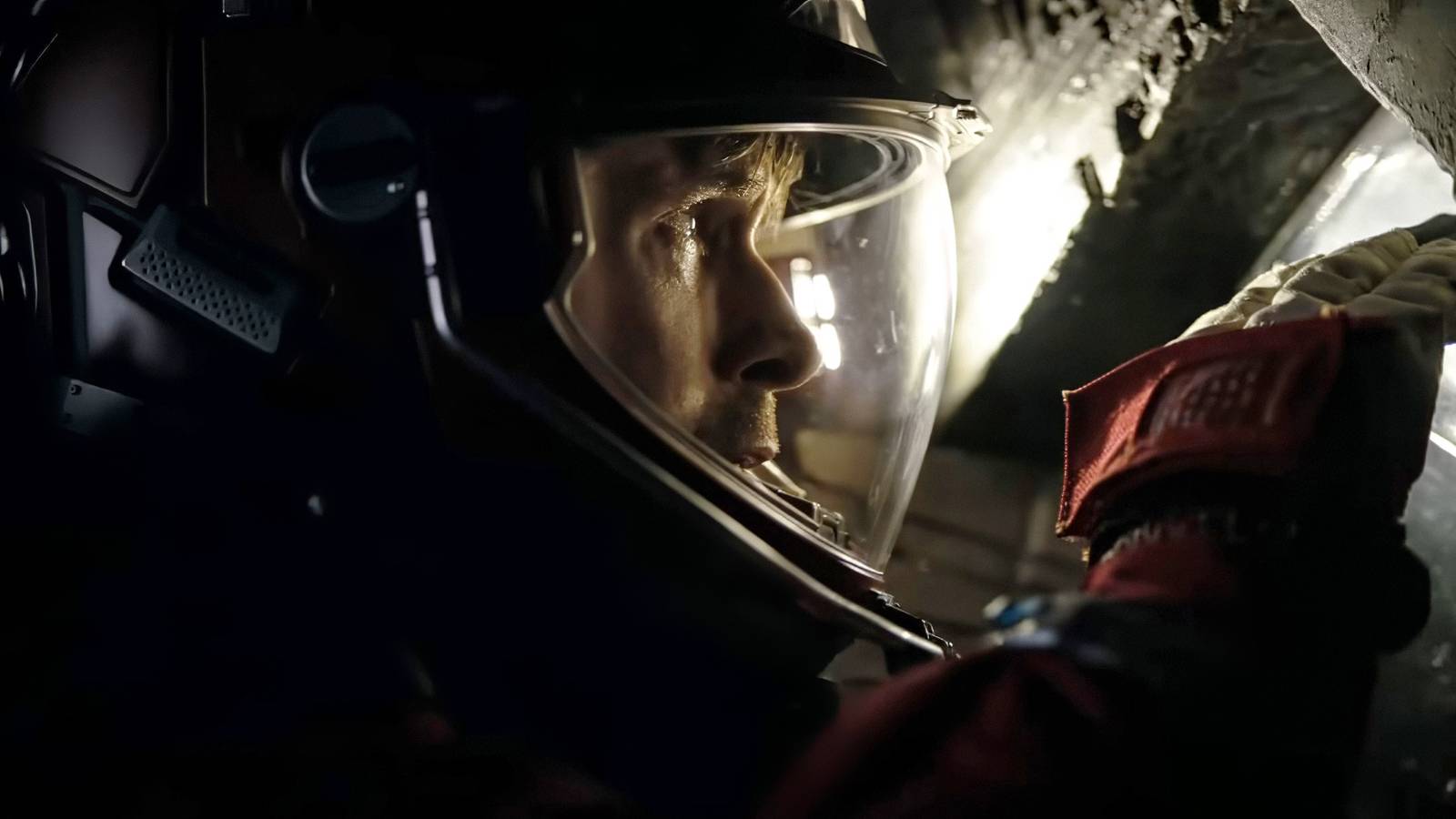
For decades, science fiction space opera relied on vast, nebulous frontiers—the generic 'edge of the galaxy' where rules bent and everything was possible. But lately, the focus has dramatically narrowed. Suddenly, the cosmic spotlight isn't on a whole quadrant; it’s pointed squarely at one star: Tau Ceti. The sudden, intense visibility of this particular star system is forcing creators to rethink scale, bringing real-world celestial data into the narrative heart of the genre.
What this means for players: The days of aimless, vague space travel are fading. Storytelling is becoming hyper-specific, using scientifically grounded locations to anchor massive, dramatic conflicts. This shift suggests that the next generation of space media will prioritize deep world-building and tangible, habitable destinations.
The surge in ‘Tau Ceti’ appearances across cinematic pitches and streaming projects is more than a coincidence; it reflects a profound industry pivot. Creators are gravitating toward specific, recognizable celestial bodies because they offer instant, dramatic conflict. They provide a scientific bedrock that elevates the stakes beyond mere adventure, forcing narratives to grapple with complex concepts like planetary viability and the immense challenges of deep-space travel.
The Stellar Star of Sci-Fi

This narrative trend signals a major shift in how sci-fi world-building operates. The industry is moving away from vague 'space opera' tropes and embracing highly defined, named locations. Tau Ceti, with its established scientific profile and proximity to Earth, provides the perfect blend of familiarity and extreme mystery. It’s a star system that is both scientifically grounded and narratively volatile.
Industry sources indicate that the system's potential for dramatic conflict is immense. Instead of simply landing on a distant planet, the drama can now center on the very nature of that planet’s life support, its geology, and its specific relationship to its star. This level of detail requires a higher level of commitment from creators, promising a richer, more immersive viewing experience for dedicated fans.
The sheer gravitational pull of Tau Ceti’s location means that discussion has inevitably turned to the possibility of life. This brings the critical, complex question of the Tau Ceti exoplanets habitable conditions to the forefront of popular culture. The ability to discuss the actual parameters—the necessary atmospheric composition, the stability of the star, the potential for liquid water—makes for far more compelling storytelling than merely finding a lush, green planet.
Analyzing Tau Ceti’s Colonization Potential

The focus on Tau Ceti isn't just about aesthetics; it's about viability. The real-world scientific data regarding the system's planetary candidates adds a layer of intellectual weight that previous sci-fi settings often lacked. Writers are no longer just drawing maps; they are constructing plausible ecological scenarios.
The discussion around Tau Ceti exoplanets habitable conditions what it means for future space colonization narratives is fascinating. When a story can reference specific orbital dynamics or the tidal locking of a planet, it immediately raises the perceived stakes. It demands that characters face obstacles that feel scientifically credible, whether it's managing radiation exposure or dealing with unpredictable stellar flares.
This shift makes the star system an ideal anchor for stories concerning humanity's future. The debate over sci-fi star system colonization potential moves from abstract theory to immediate narrative crisis. Is the planet safe? Can life truly sustain itself here? These questions, rooted in real astrophysics, are what give the genre its sharpest edge right now.
The constant comparison between theoretical models and actual celestial mechanics adds depth. It compels creators to think like astrophysicists, grounding their fantastic adventures in hard science. This elevates the entire genre, appealing not just to action fans, but to those who appreciate deep, thoughtful world-building.
The Impact of Specific Star Systems
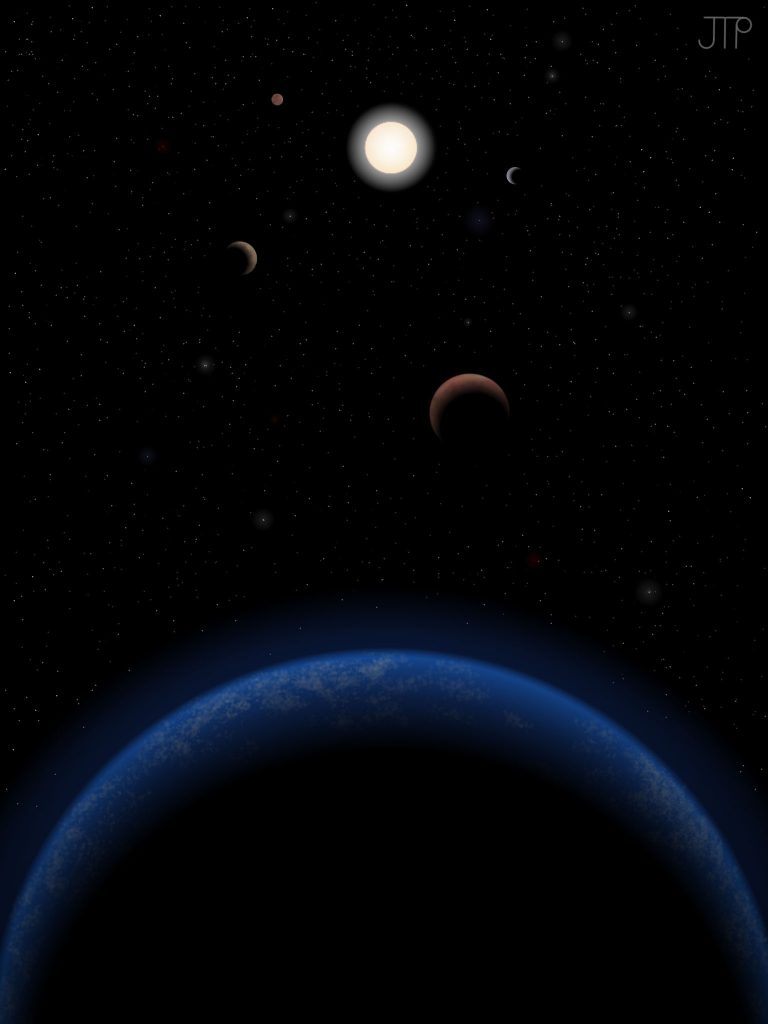
The rising prominence of Tau Ceti is a clear sign that the future of space media is detailed and specific. It represents a maturation of the genre, moving past the simple "jump-to-planet" narrative structure. Instead, we are seeing an emphasis on the journey, the politics, and the sheer engineering feat required to sustain life far from home.
This trend suggests that best sci-fi setting for interstellar travel will increasingly rely on deep character investment in a specific locale. Whether the focus is on the mechanics of interstellar drives or the sociology of a multi-generational colony, the setting itself is the primary character. The Tau Ceti system, with its defined scientific parameters, provides the perfect canvas for this kind of detailed exploration.
The collective attention paid to the Tau Ceti system real-world characteristics ensures that any media produced using this location will carry a weight of scientific legitimacy. For fans, this means the stakes feel higher, the characters feel more grounded, and the eventual discoveries feel earned. This specificity is the new gold standard for blockbuster sci-fi.
We can anticipate that this focused approach will continue to influence future media releases. Developers and writers will increasingly use established, scientifically robust star systems like Tau Ceti to avoid the pitfalls of generic space settings. The future of sci-fi, it seems, isn't just out there—it's pinned down, mapped, and waiting for its story.
Expert forecast suggests that the coming year will see more narrative attempts to model the Tau Ceti exoplanets habitable conditions using complex, multi-stage survival arcs. Furthermore, the genre will likely expand its focus beyond simply colonization, incorporating detailed narratives about deep-space resource management and artificial life forms. Finally, expect a heightened emphasis on the socio-political friction caused by humanity encountering genuinely unique, non-Earth-like biospheres.
Frequently Asked Questions
Does Tau Ceti have planets suitable for immediate human colonization?
While the system contains promising exoplanets, actual human colonization would require decades of preparation and solving complex issues like atmospheric matching and resource management. The science is promising, but the challenge is immense.
How does the scientific basis improve sci-fi storytelling?
By grounding the narrative in real astrophysics, the stakes feel higher and the obstacles feel more believable. This forces creators to build complex rules for their fictional worlds, leading to greater immersion.
What is the significance of 'stellar proximity' in sci-fi media?
Focusing on nearby stars like Tau Ceti reduces the vastness of space, making the journey and the destination feel more immediate and achievable for story purposes. This increases the sense of urgency for the characters.
Confirmed details first, useful context second. This is the quickest path to the source trail and the next pages worth opening.
Source date: May 16, 2026