Imagine a global hardware heist so vast it involves $2.5 billion in restricted silicon, a web of shell companies in Thailand, and indictments reaching the highest levels of a major server manufacturer. This isn't a techno-thriller script; it is the reality facing the tech industry following a bombshell Bloomberg investigation into the circumvention of U.S. export controls. The scale of the alleged operation suggests that while gamers are hunting for mid-range cards, a shadow market has been funneling the world's most powerful AI processors to prohibited destinations.
Why this matters: For hardware enthusiasts and PC builders, this level of federal scrutiny on the supply chain often leads to tighter regulations, potential price volatility for high-end components, and a massive shift in how global silicon is distributed. When billions of dollars in hardware vanish into the black market, the legitimate consumer market feels the ripple effects in both availability and cost.
Supermicro Indictments Reveal Massive Global Smuggling Ring
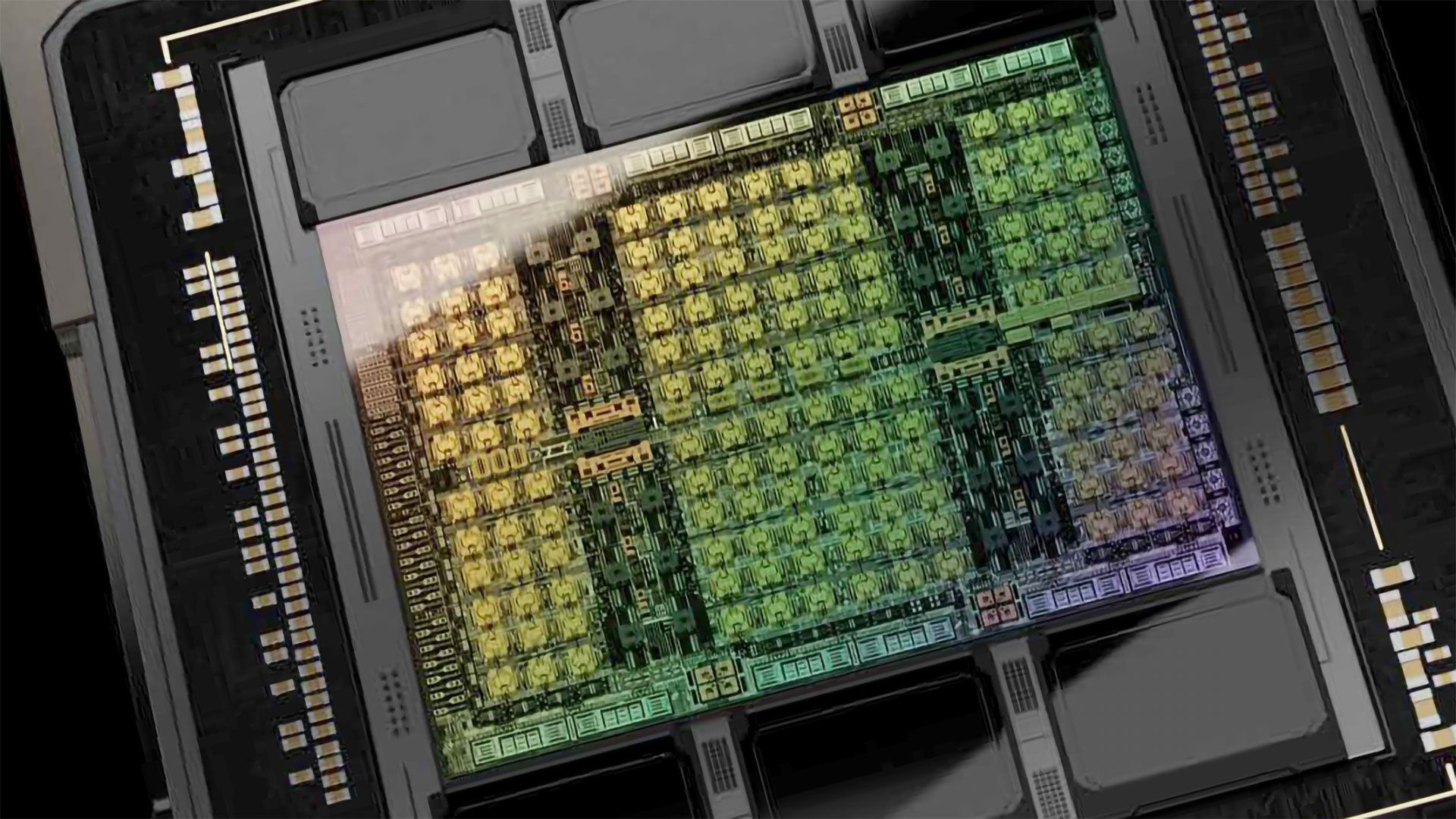
A detailed Bloomberg report has pulled back the curtain on a massive smuggling ring that allegedly involved Supermicro executives and employees. According to the investigation, the scheme was designed to bypass strict U.S. export controls to ship restricted hardware to China and Russia. The indictment highlights a sophisticated effort to mask the final destination of high-performance components, which are currently under heavy restriction due to their dual-use potential in military and advanced AI applications. For the PC hardware community, seeing a major player like Supermicro implicated in such a massive regulatory breach is a significant moment of industry-wide tension.
The hardware at the center of this controversy isn't your standard gaming rig components, but the high-TFLOPS architecture that powers the modern AI revolution. The investigation alleges that Supermicro was shipping restricted Nvidia AI accelerators—hardware that shares the same fundamental architecture as the GeForce cards in our desktops—to entities that are explicitly blacklisted by the U.S. government. By leveraging complex shipping manifests and opaque business structures, the participants allegedly moved $2.5 billion worth of tech into restricted hands, effectively creating a "dark supply chain" that operated parallel to legitimate retail channels.
Obon Corp Serves as Critical Southeast Asian Hub

The mechanics of the smuggling operation relied heavily on a Thailand-based entity identified as a key intermediary. The Bloomberg report specifically names Obon Corp., a government-related entity in Thailand, as the previously anonymous Southeast Asian link used to facilitate these shipments. This entity acted as a "clean" middleman, receiving high-performance hardware from U.S. sources before rerouting it to its true destination. This process is a classic example of how modern export controls are tested by entities willing to exploit regional regulatory gaps to move high-demand silicon.
Specifically, Obon Corp. was allegedly used to funnel restricted Nvidia AI GPUs destined for Alibaba. By utilizing a Thailand-based intermediary, the organizers could provide a veneer of legitimacy to the transactions, making it appear that the hardware was intended for regional infrastructure projects rather than Chinese data centers. This level of architectural maneuvering shows just how valuable high-end silicon has become; when a single H100 or Blackwell-class chip can fetch tens of thousands of dollars, the incentive to bypass international law becomes a multi-billion dollar temptation for executives.
Supermicro Executives Implicated in 2-Year Investigation

The current legal controversy centers on the alleged deliberate circumvention of U.S. export regulations by those at the top of the company hierarchy. The investigation sheds light on the mechanics of routing restricted high-tech components to prohibited destinations, suggesting that the "Supermicro Executives Implicated in 2" year-long probe has uncovered deep-seated systemic issues. This isn't just a case of a few rogue employees; the scale of a $2.5 billion operation suggests a level of institutional knowledge that has sent shockwaves through the hardware manufacturing sector. Analysts are now looking closely at how this will impact Supermicro’s partnerships with major chip designers like Nvidia and AMD.
For the average builder, the tightening of export controls means that the "silicon curtain" is becoming more rigid. As the U.S. government looks to plug the holes exposed by the Obon Corp. and Supermicro scandal, we can expect more rigorous end-user verification and potentially slower shipping times for high-end workstation gear. The focus on current legal controversy highlights a growing rift between the globalized nature of hardware manufacturing and the localized nature of national security laws. If Supermicro is found liable for these violations, the resulting fines and export bans could fundamentally reshape the competitive landscape of the server and AI hardware markets.
The long-term impact on Nvidia AI GPUs and their availability remains a point of intense speculation. While consumer cards are not currently the primary target of these specific export controls, the overlap in manufacturing facilities and raw material requirements means that any disruption at the enterprise level has a "trickle-down" effect. If manufacturers are forced to implement more stringent tracking for every chip that leaves the factory, the overhead costs of our gaming hardware could see a secondary spike. The Supermicro case serves as a stark reminder that in the high-stakes world of modern computing, the most powerful GPUs are no longer just gaming tools—they are geopolitical assets.
Frequently Asked Questions

How do export controls affect the availability of high-end GPUs?
Export controls limit the regions where high-performance silicon can be sold, often leading to supply shifts that can fluctuate prices in the global market. While primarily targeting AI chips, these regulations can impact the overall manufacturing priority of companies like Nvidia.
Are consumer GeForce gaming cards affected by the Supermicro scandal?
Directly, no, as the investigation focuses on enterprise-grade AI accelerators and server hardware. However, increased regulatory scrutiny on manufacturers can lead to broader supply chain delays that eventually reach the consumer sector.
What is the role of Obon Corp in this hardware controversy?
Obon Corp is a Thailand-based entity identified as a key intermediary used to mask the shipment of restricted hardware to China. It allegedly functioned as a transit point to bypass U.S. trade restrictions and funnel chips to Alibaba.
The federal prosecution of Supermicro executives will likely trigger a massive audit of all Tier-1 hardware vendors currently shipping AI-capable silicon. Expect the U.S. Department of Commerce to implement "real-time" chip tracking requirements that could add significant administrative costs to hardware production. Ultimately, the era of "no-questions-asked" global hardware distribution is over, replaced by a highly regulated landscape where every TFLOPS of performance is accounted for by the state.
Confirmed details first, useful context second. This is the quickest path to the source trail and the next pages worth opening.
Source date: May 9, 2026