Super Mario Galaxy Amiibo Spark Controversy
Nintendo's decision to re-release the beloved Super Mario Galaxy and its sequel on the Nintendo Switch in October 2025 has been met with both fanfare and a significant dose of player scrutiny. The accompanying launch of new amiibo figures, specifically the 'Mario & Luma' and 'Rosalina & Lumas' sets, has ignited a fiery debate within the gaming community, highlighting a growing tension between collectible culture and perceived value in the modern gaming landscape. These meticulously crafted figures, retailing at a steep £24.99 / $39.99 each, promise to offer special in-game bonuses, a familiar tactic for Nintendo to incentivize amiibo purchases. However, the question on many players' minds is whether the cost truly justifies the limited, often ephemeral, in-game benefits they provide.
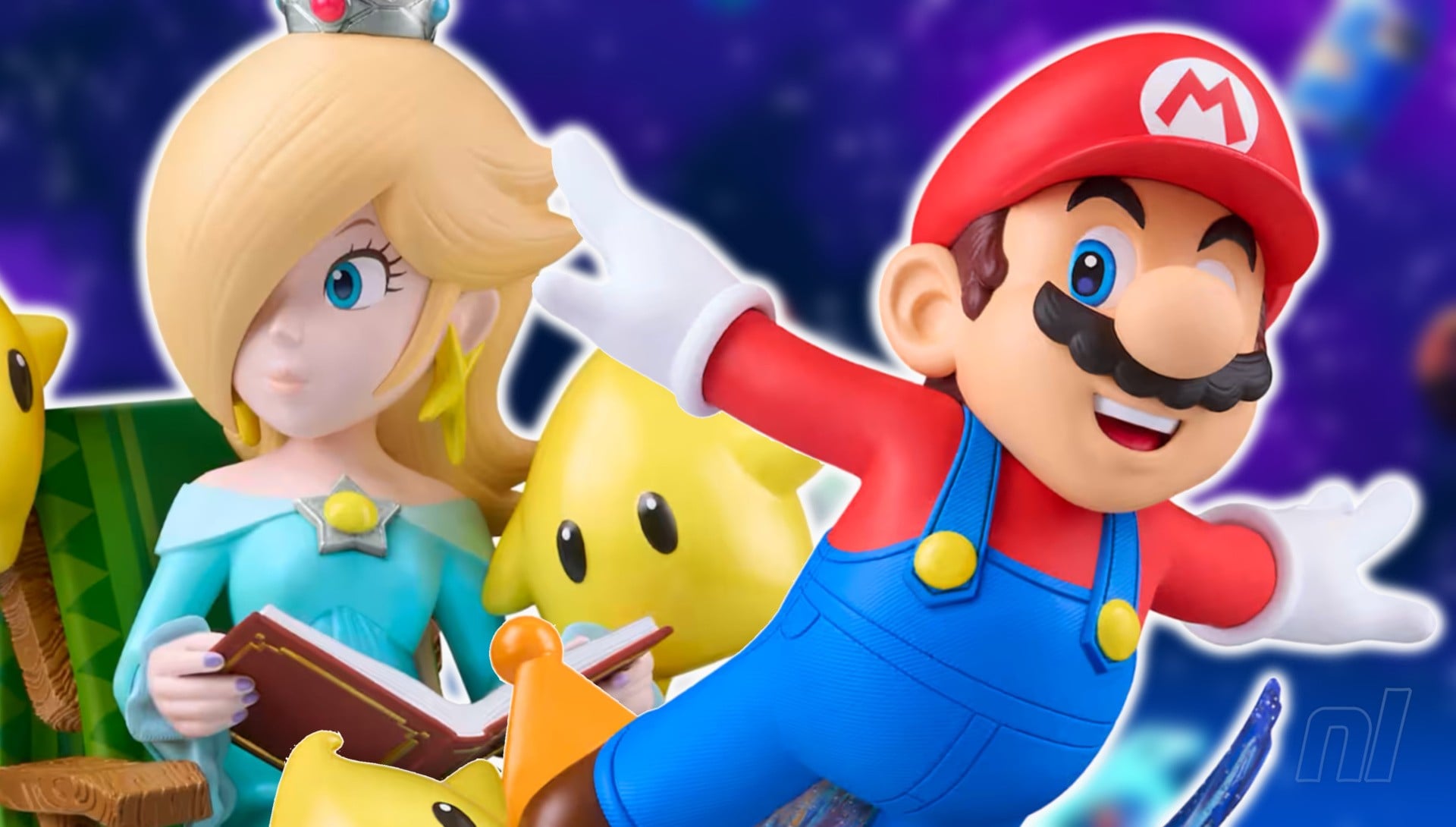

The immediate reaction across gaming forums and social media platforms has been a predictable mix of excitement from dedicated collectors and vocal disapproval from a segment of the player base who feel increasingly priced out. For long-time fans, the prospect of new amiibo tied to a classic remade for a new generation is a dream realized. Yet, the price point is undeniably a hurdle. In an era where digital bonuses can be unlocked through gameplay or less expensive means, these physical collectibles are being scrutinized for their tangible return on investment. Critics point out that the in-game content provided by amiibo is often minor – a costume here, a power-up there – and rarely transforms the core gameplay experience. This perceived lack of substantial in-game utility, coupled with the premium price, has led to accusations of Nintendo prioritizing its lucrative amiibo market over player accessibility and value.
Rosalina & Lumas Amiibo Cost Questioned
The 'Rosalina & Lumas' figure, in particular, has become a focal point of this discussion. Rosalina, a fan-favorite character, and her Luma companions represent a significant piece of Super Mario Galaxy's iconic imagery. The promise of exclusive content tied to this character and her cosmic entourage is a strong draw. However, the £24.99 / $39.99 price tag for a single amiibo figure, which may only offer a handful of in-game advantages, is being weighed against the cost of the game itself and the growing expense of the overall gaming hobby. For many, this feels like another instance of what's increasingly being labeled "nickel-and-diming" by publishers, where even beloved re-releases come with a premium attached to optional, yet marketed as desirable, physical add-ons. This isn't just about Super Mario Galaxy; it's about a broader industry trend that sees physical collectibles becoming an increasingly significant revenue stream, sometimes at the expense of what players consider fair value.
Mario & Luma Amiibo Bonuses Under Fire
The 'Mario & Luma' amiibo, while perhaps less of a narrative focal point than Rosalina, faces the same fundamental critique. The inclusion of "special in-game bonuses" is a deliberately vague promise that often translates to content that could easily have been integrated into the base game or unlocked through standard play. The argument is that these bonuses, while attractive, are not substantial enough to warrant the high cost of the amiibo, especially for players who are not primarily collectors. This strategy, while financially beneficial for Nintendo, risks alienating a portion of its player base who feel that the core game experience should be complete without the need for expensive physical add-ons. The success of these amiibo will likely hinge on how deeply ingrained the desire for these specific bonuses is within the Super Mario Galaxy fanbase and how willing they are to pay a premium for them.
Industry Shift Towards Collectibles
This controversy surrounding the Super Mario Galaxy amiibo is not an isolated incident but rather a symptom of a larger industry shift. Publishers are increasingly looking for ways to extend the revenue generated from their flagship titles beyond the initial purchase. Physical collectibles, limited editions, and season passes have become standard practice. For Nintendo, amiibo have proven to be an incredibly successful venture, blending physical toy sales with digital game integration. However, as the prices of these collectibles climb and their in-game utility remains questionable for some, the line between genuine fan engagement and opportunistic monetization becomes blurred. The success of these Super Mario Galaxy amiibo will be a key indicator of whether this approach continues to resonate with players or if a backlash is brewing.
The re-release of Super Mario Galaxy and its sequel presents a prime opportunity for Nintendo to delight long-time fans and introduce the franchise to a new generation. However, the accompanying amiibo figures have introduced an element of friction. The debate over their price and perceived value reflects a broader conversation within the gaming community about the economics of modern game releases and the role of physical collectibles. As players grapple with the cost of entry for both the games and their optional companions, the industry watches to see if Nintendo's amiibo strategy for this beloved title will be a resounding success or a cautionary tale.
Frequently Asked Questions
When is Super Mario Galaxy releasing on Switch?
Super Mario Galaxy and its sequel are scheduled for release on the Nintendo Switch in October 2025.
What in-game bonuses do the new amiibo figures offer?
The 'Mario & Luma' and 'Rosalina & Lumas' amiibo figures unlock special in-game bonuses within Super Mario Galaxy and its sequel.
Are the Super Mario Galaxy amiibo figures worth the price?
The value of the amiibo figures is subjective, with some players finding the cost high given the limited in-game utility compared to their £24.99 / $39.99 price tag.
Tags : #SuperMarioGalaxy #AmiiboFigures #NintendoControversy #CollectibleToys #GamingNews
Confirmed details first, useful context second. This is the quickest path to the source trail and the next pages worth opening.