Super Mario Bros. Wonder arrived as a psychedelic reimagining of the side-scrolling formula, proving that Nintendo still possesses the ability to surprise a global audience. It was not merely a sequel; it was a rhythmic, visual, and mechanical overhaul that replaced the stagnant "New" series aesthetic with something vibrant and unpredictable. The recent release of the Meetup in Bellabel Park DLC serves as a strategic expansion of this vision, doubling down on the chaotic energy that made the base game a modern masterpiece. By introducing fresh content that bridges the gap between traditional platforming and experimental puzzle-solving, this update secures the game's position at the top of the genre hierarchy.
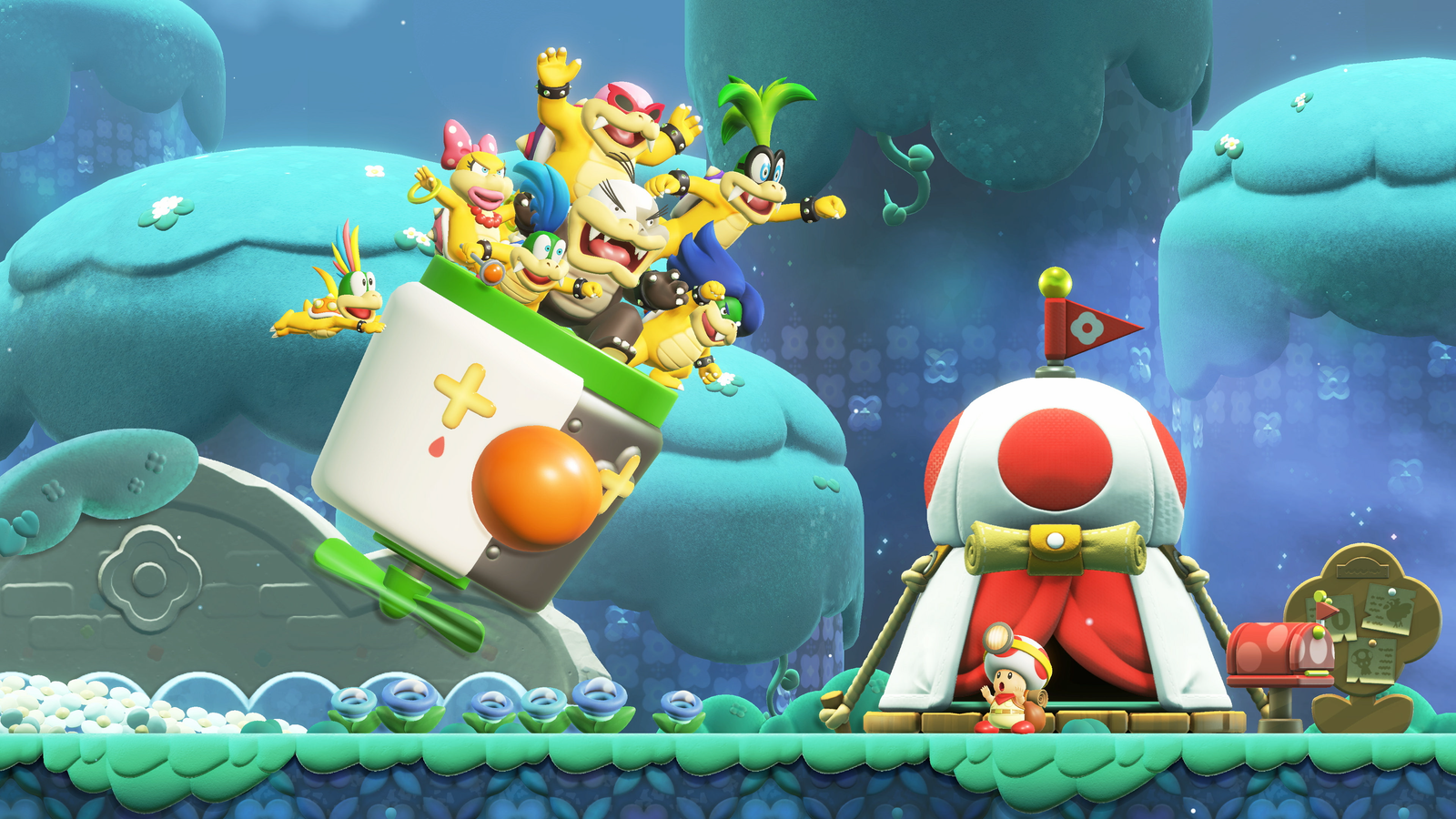

The Bellabel Park DLC Evolution
The Meetup in Bellabel Park DLC is a concentrated dose of what makes Wonder exceptional. It focuses on the intersection of social play and mechanical mastery, offering a playground that rewards exploration as much as precision. While many platformers struggle to maintain momentum after the initial credits roll, this expansion utilizes the existing physics engine to create scenarios that feel entirely new. The level design here is tighter, pushing players to utilize the full range of Mario’s movement suite while navigating environments that shift and warp in real-time. It is a masterclass in modular expansion.
Replayability is the core currency of the Bellabel Park experience. Every corner of the new map is packed with secrets that require a keen eye and a mastery of the game’s unique power-ups. Unlike previous entries where DLC often felt like a collection of discarded B-sides, these levels feel essential. They bridge the narrative gap between the main campaign and the endgame content, providing a smoother difficulty curve for those looking to conquer the game's most grueling challenges. The inclusion of multiplayer-centric hubs ensures that the community remains active, sharing tips and tricks in a way that recalls the golden age of arcade gaming.
Captain Toad Leads Seven New Missions
One of the most significant additions in this update is the dedicated single-player content featuring Captain Toad. This intrepid explorer has long been a fan favorite, and his inclusion here provides a distinct change of pace from the high-speed acrobatics of the main cast. Players assist Captain Toad in tracking down the Koopalings across seven meticulously crafted levels. These stages emphasize environmental awareness and puzzle-solving over raw reflexes. You aren't just running to the right; you are dissecting the stage logic to find the optimal path forward.
The seven levels are not just filler. Each one introduces a specific gimmick that forces a rethink of how Mario interacts with the world. By stripping away the ability to jump—a hallmark of Captain Toad’s gameplay—Nintendo forces players to engage with the verticality of the Mushroom Kingdom in a novel way. This design choice highlights the strength of the game's underlying architecture. Even without the most basic platforming tool, the levels remain engaging, proving that the brilliance of Wonder lies in its world-building and interactive elements rather than just its mechanical tradition.
Koopalings Return With Radical Wonder Effects
The Koopalings have been staples of the franchise since the 8-Bit era, but the Meetup in Bellabel Park DLC breathes new life into these classic antagonists. In this expansion, the boss fights are no longer predictable patterns of three jumps and a cloud of smoke. Instead, each encounter is heavily influenced by a unique Wonder Effect. This results in battles that are visually arresting and mechanically dense. One moment you might be fighting a giant-sized version of a Koopaling, and the next, the gravity might flip, forcing you to fight on the ceiling while dodging projectiles.
These boss fights represent the peak of the DLC’s creative output. By altering the appearance and gameplay mechanics of the Koopalings, the developers have managed to make forty-year-old characters feel revolutionary. The unpredictability of the Wonder Effects means that no two attempts feel the same. It creates a sense of tension that was often missing from the boss encounters in the base game. This is where the DLC truly shines, offering a high-stakes payoff for the players who have spent hours mastering the seven new levels leading up to these confrontations.
Nintendo Solidifies The Future Of Platforming
Why choose Super Mario Bros. Wonder over its contemporaries? The answer lies in its historical impact. While titles like Sonic Superstars or Rayman Legends offer excellent platforming, they often stick to established tropes. Wonder, especially with the addition of the Bellabel Park content, rejects the status quo. It is a game that is constantly in conversation with its own history, subverting expectations at every turn. The multiplayer minigames included in the DLC further enhance this, turning what was once a solitary experience into a bustling social hub. These minigames are short, punchy, and perfect for the Switch’s pick-up-and-play nature.
The social engagement fostered by these minigames cannot be overstated. By providing a space for players to interact outside of the main levels, Nintendo has created a more cohesive community. Whether you are competing for high scores or collaborating to solve a puzzle, the sense of shared discovery is palpable. This update ensures that Mario Wonder isn't just a game you finish and forget; it is a platform that continues to evolve. The technical polish is, as expected, flawless. Frame rates remain stable even when the screen is filled with the chaotic visual effects of a Wonder Flower transformation.
The future of 2D Mario will likely lean even harder into these transformative DLC cycles to maintain player engagement between major console launches. We should expect Nintendo to integrate more legacy characters like Captain Toad into core gameplay loops via similar modular updates. This specific expansion sets a high bar for how post-launch content can revitalize a platformer without diluting its original charm.
Frequently Asked Questions
Is the Super Mario Bros. Wonder DLC worth the purchase for solo players?
Yes, the inclusion of seven new Captain Toad levels provides a substantial amount of high-quality single-player content. These missions offer a unique puzzle-platforming challenge that differs significantly from the main campaign.
How do the new Koopaling boss fights compare to the original game?
The DLC boss fights are significantly more complex due to the integration of Wonder Effects that change the environment and character mechanics. They offer a much higher level of variety and difficulty than the standard encounters found in the base game.
Does the DLC improve the multiplayer experience on Nintendo Switch?
The update introduces dedicated multiplayer minigames that enhance social interaction and provide new ways to play with friends. These additions broaden the game's appeal for both local and online group sessions.
Tags : #SuperMarioBrosWonder #DLC #MultiplayerFun #NewChallenges #GamingNews
Confirmed details first, useful context second. This is the quickest path to the source trail and the next pages worth opening.