The days of cheap, overflowing SSD inventory are dying, and the world’s biggest silicon titans are making sure they don't get caught off guard again. If you thought the storage market was just a cycle of peaks and valleys, think again—the rules of the game just changed for the next half-decade. While PC builders have enjoyed a period of relative affordability, the industry's heavy hitters are pivoting toward a future where supply is tightly controlled and demand is locked behind massive, multi-year ironclad contracts.
What this means for players: Expect the era of "fire sale" NVMe drives to vanish as manufacturers prioritize massive cloud contracts over the consumer bargain bin. The shift signifies that storage giants are no longer interested in the volatile "boom and bust" cycles that previously led to massive discounts for PC enthusiasts.
SanDisk And Seagate Pivot To Five-Year Contracts
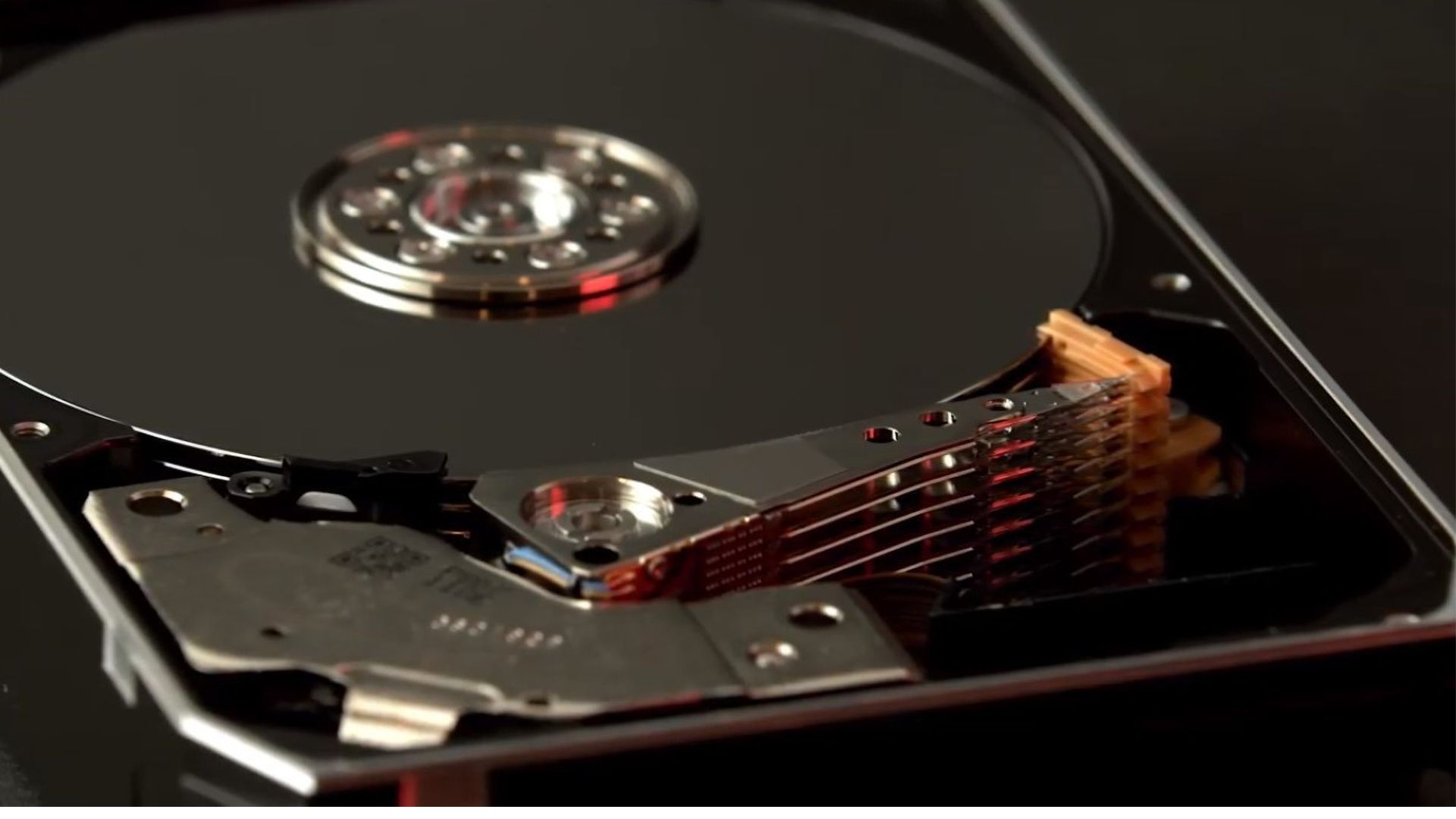
The landscape of data storage is undergoing a fundamental structural shift. SanDisk’s CFO, Luis Visoso, recently confirmed a move that should make every PC builder pay attention: the longest contract durations for storage supply have now reached a staggering five years. This isn't just a minor adjustment; it is a calculated effort to stabilize a market that has historically been as unpredictable as a GPU launch. By securing these long-term supply agreements, manufacturers are effectively insulating themselves from the price crashes that allowed consumers to snag 2TB Gen4 drives for pennies on the dollar last year.
Seagate is following a similar trajectory, having already secured exabyte-scale agreements with nearly all of its major cloud and hyperscale customers. These aren't just pinky-promises; these are legally binding commitments that allocate nearline capacity all the way through calendar year 2027. When the storage giants lock in their production capacity this far in advance, the "leftover" silicon available for the consumer retail market becomes a much smaller slice of the pie. This multi-year demand signaling robust market outlook suggests that the industry is bracing for a sustained period of high value rather than overproduction.
Western Digital Commits Billions To NAND Infrastructure

It isn't just about the contracts; it’s about the massive physical infrastructure being built to support them. Western Digital’s CEO, Irving Tan, has noted that their agreements now extend deep into the 2028 and 2029 calendar years. To meet these obligations, Western Digital, SanDisk, and Seagate are committing billions of dollars toward expanding their manufacturing footprints. This isn't speculative spending based on a "build it and they will come" philosophy. Instead, these investments are targeting new fabs and assembly lines backed by confirmed, locked-in demand from the world’s largest data consumers.
For the technical enthusiast, this investment flows directly into next-generation tech like higher-layer NAND and Heat-Assisted Magnetic Recording (HAMR). While HAMR is primarily a boon for high-capacity HDDs used in massive server arrays, the trickle-down effect for gamers is clear: the manufacturing focus is shifting toward density and reliability over raw, unbridled speed. As these companies pour capital into 200+ layer NAND, the goal is to maximize the efficiency of every square millimeter of silicon. This market confidence underpins expansion plans that are designed to keep the enterprise sector happy, while the consumer market may find itself fighting for the remaining allocation.
Hyperscale Demand Stabilizes The Seagate Roadmap
Seagate is currently finalizing build-to-order contracts that stretch through the end of fiscal 2027. This strategy is a departure from the traditional model of building as much as possible and hoping the market absorbs it. By moving to a build-to-order system, Seagate and its peers are ensuring that every drive that rolls off the assembly line already has a destination. This multi-year demand signaling robust market outlook is great for shareholders, but it creates a tighter market for the average gamer looking for a quick storage upgrade.
The collective action of these industry leaders indicates that the "hyperscale" sector—the Amazons, Googles, and Microsofts of the world—is essentially front-running the supply chain. As AI training and cloud gaming services continue to expand, their hunger for exabytes of data is insatiable. This sustained demand from the cloud computing sector acts as a floor for prices. We are unlikely to see the bottom fall out of the SSD market anytime soon, as any excess capacity will simply be swallowed by the next data center expansion. The Storage Giants Lock In Multi year demand signaling robust market outlook to ensure that the volatility of the past remains in the past.
The shift toward long-term stability is a double-edged sword for the PC community. While it ensures that the technology continues to evolve with massive R&D budgets, it also signals the end of the "wild west" era of storage pricing. As we move closer to 2027, the availability of high-performance drives will be dictated more by corporate contracts than by retail demand. If you see a deal on a high-capacity NVMe drive today, it might be the last one you see for a very long time.
Frequently Asked Questions

Will SSD prices drop significantly in 2025?
It is unlikely, as major manufacturers have locked in supply for enterprise clients, reducing the chance of a consumer-side oversupply. Prices are expected to remain stable or trend slightly upward as demand remains high.
What is HAMR technology and does it affect gaming?
HAMR (Heat-Assisted Magnetic Recording) allows for much higher capacity hard drives by using a laser to help write data. While it won't speed up game loading like an SSD, it will make 30TB+ mass storage drives more common for large libraries.
Should I wait to buy a 4TB NVMe drive?
Given the current trend of storage giants prioritizing long-term enterprise contracts, waiting may not result in better deals. Current prices are likely the most competitive they will be before the next cycle of contract-driven supply tightening.
The transition toward build-to-order manufacturing will likely end the era of extreme price volatility for consumer NVMe drives. We expect 8TB and 16TB consumer SSDs to remain premium niche products as manufacturers prioritize high-margin AI and cloud data centers through 2028. Gamers should prepare for a "new normal" where storage prices plateau rather than plummet, making mid-cycle sales the only viable window for budget upgrades.
Confirmed details first, useful context second. This is the quickest path to the source trail and the next pages worth opening.
Source date: May 4, 2026